
How I Keep Mosquitoes Away Naturally in My Own Yard
Learn how to keep mosquitoes away naturally using scents they hate and simple, effective ways to keep them out of your home.
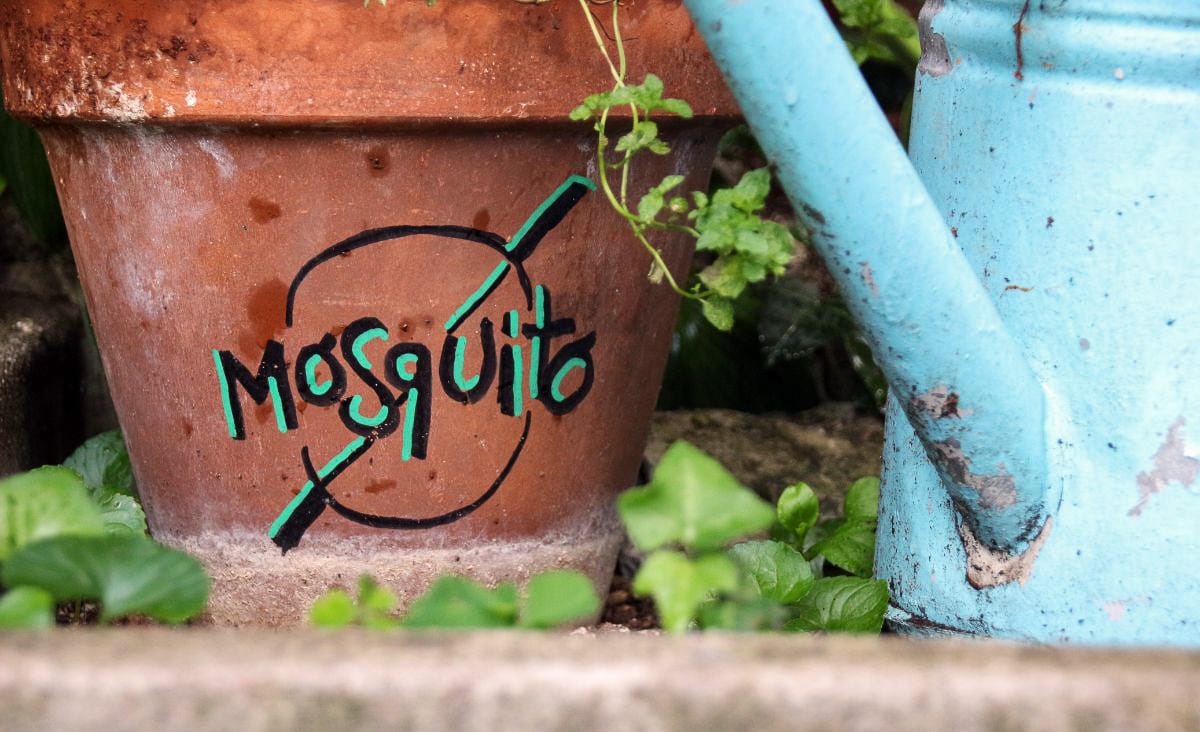
As soon as the weather warms up, I start dreaming about long evenings in the garden and quiet mornings on the porch with a mug of coffee. And just as quickly, the mosquitoes show up to remind me they live here too.
If you’re anything like me, you’re the one who gets bitten first and worst. I’ve tried plenty of conventional bug sprays over the years, and most of them either irritate my skin, smell awful, or leave me feeling like I just bathed in chemicals. None of that makes being outside more enjoyable.
Once I accepted mosquitoes weren’t going anywhere, I started using what really makes a difference. Some are plant-based, some are DIY, some are pure prevention. It’s never perfect, but a few layers makes outside time way less miserable.
Why Mosquitoes Love Your Yard (and How to Work Around It)
Before we talk repellents, here’s why mosquitoes keep showing up in the first place.
Mosquitoes love warmth, moisture, still air, and standing water. They also tend to rest in tall grass, dense shrubs, and shady, humid areas during the day. That’s why simply lighting a citronella candle or planting one herb rarely fixes the problem. I’ve found it works best when you come at it from a few angles:
- Reduce breeding and resting areas
- Add plants and scents mosquitoes dislike
- Use topical repellents when needed
That’s what everything in this post comes back to.
Plants That Help Keep Mosquitoes Away Naturally
Let’s start in the garden, because this is the lowest-effort place to make a difference.
Lemongrass
Lemongrass has citronella in it, and mosquitoes aren’t fans. I plant it near seating areas and along the edges of the garden where we spend the most time. It does especially well in containers, which makes it easy to move right where you need it.
I’ve got a full post on how I grow lemongrass if you want to copy what I do. It’s one of those plants I’d grow even if mosquitoes weren’t an issue. The plant helps most when it’s brushed against or crushed a bit.If it’s across the yard it won’t matter, but right by a chair or doorway? Different story.
Wild Bergamot (Bee Balm)
Wild bergamot is one of my favorites because it does double duty. Pollinators love it, mosquitoes don’t, and it adds real beauty to the garden.
I tuck it into flower beds and along walkways. On especially buggy evenings, I’ll crush a few fresh leaves and rub them lightly on my arms or ankles. If you’ve got sensitive skin, test it first, but this is one of those old plant tricks that really does work.
Basil
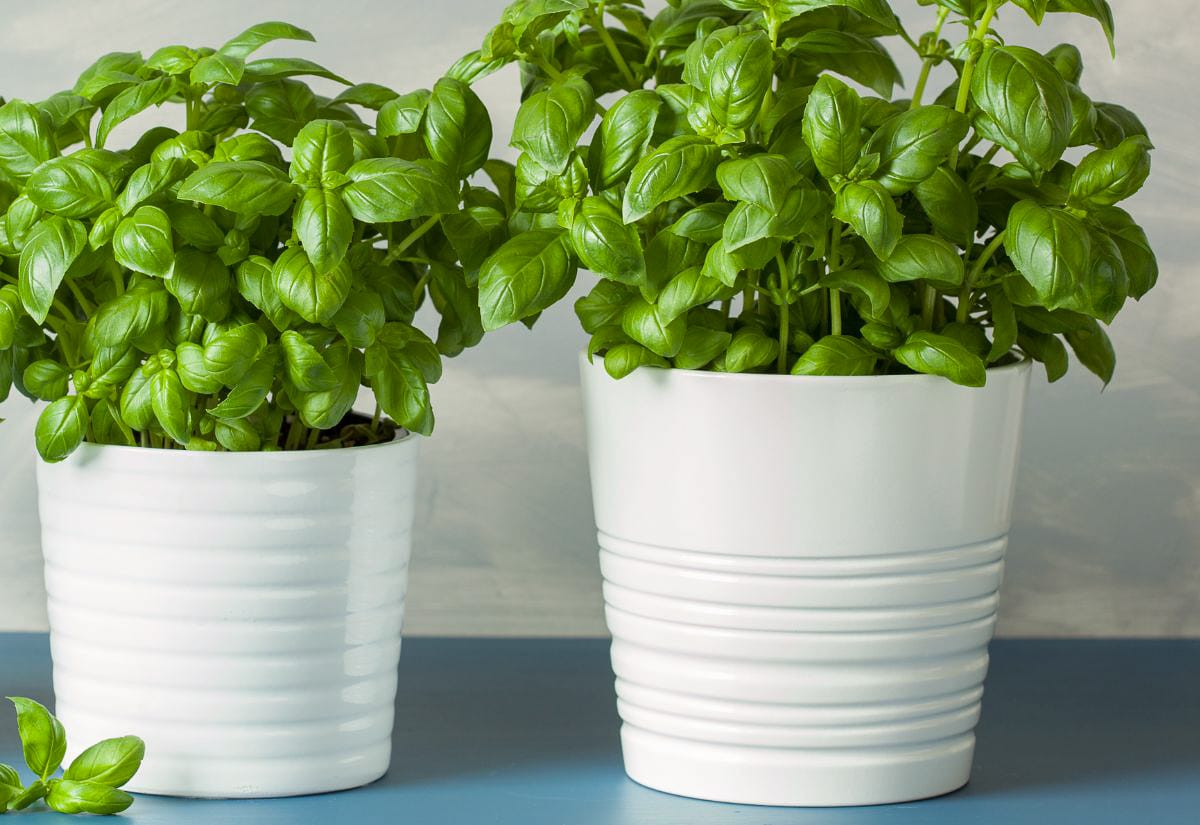
Basil is a workhorse. It repels mosquitoes, supports companion planting, and ends up in dinner. I keep pots of basil close to doors and seating areas, not just tucked away in the garden.
If I’m already harvesting basil, I’ll crush a leaf or two in my hands before heading outside. It’s subtle, but every layer helps.
Essential Oils I Use When Mosquitoes Won’t Quit
If mosquitoes are out in full force, that’s when I pull out the essential oils. I’m pretty conservative with essential oils, but I do keep a simple spray by the back door.
Essential Oils I’ve Had the Best Luck With
- Lavender
- Peppermint
- Eucalyptus (especially lemon eucalyptus)
- Citronella
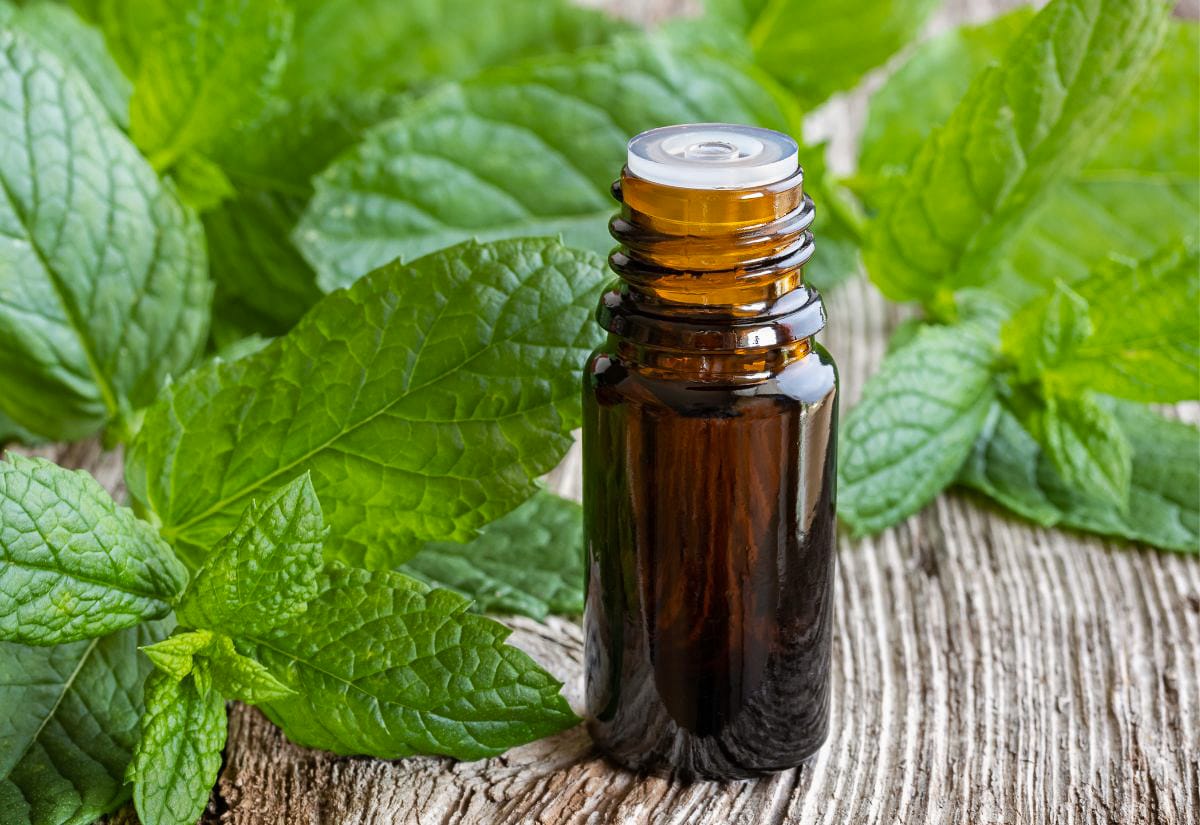
Lavender is my go-to for skin because it’s gentle and smells good. Peppermint works well on clothing and around entry points. Eucalyptus is especially effective in blends.
Everyday Natural Mosquito Repellent Spray
This post may contain paid links. If you make a purchase using the links in this recipe, I may earn a commission.
Equipment
Ingredients
- 3.5 oz Water or witch hazel
- ½ teaspoon Carrier Oil fractionated coconut oil or sweet almond oil work well
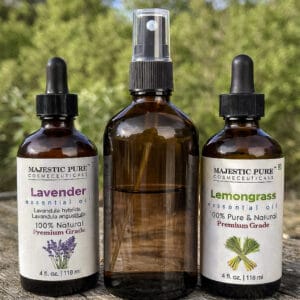
- 20-25 drops Essential Oil lavender, peppermint, eucalyptus, citronella, or a blend
Instructions
- Add the carrier oil directly to the empty spray bottle first.½ teaspoon Carrier Oil
- Drop in the essential oils.20-25 drops Essential Oil
- Fill the rest of the bottle with water or witch hazel, leaving a little space at the top.3.5 oz Water
- Screw the spray top on tightly and shake well before each use. Spray lightly on clothing, shoes, socks, and exposed skin as needed. Reapply every couple of hours, especially during peak mosquito time around dusk.
Notes
- Shake before every use. Oil and water will separate naturally.
- I avoid spraying this directly on kids, pets, or animals. Clothing and gear are safer options.
- For sensitive skin, start with fewer drops of essential oil and increase gradually.
- If the scent feels strong at first, it usually softens after a few minutes outdoors.
I use a small amber glass spray bottle, because it lasts forever and doesn’t get funky. I spray it lightly on clothes, shoes, and sometimes wrists or ankles if I’m going to be outside around dusk.
A good-quality carrier oil makes a noticeable difference, especially if you’ve got sensitive skin. I like using fractionated coconut oil because it’s lightweight, shelf-stable, and virtually scent-free.
I avoid spraying essential oils directly on kids, pets, or near animals’ faces. I stick to clothes and shoes instead.
Pantry Staples That Help Control Mosquitoes
Coffee Grounds for Standing Water
If you have standing water anywhere (flowerpot saucers, old buckets, low spots in the yard), used coffee grounds can help. Coffee grounds in standing water helps keep the eggs from turning into more mosquitoes.
This doesn’t replace dumping water when you can, but it’s a useful backup.
Garlic (When Mosquitoes Are Really Bad)
This one’s not glamorous, but it works for some people. Eating garlic regularly can make you less attractive to mosquitoes. I’m not chewing raw cloves, but I have swallowed small pieces when the bugs are brutal.
It’s optional. Very optional.
Reduce Mosquito Breeding and Resting Areas Around Your Home
This part is boring, but it helps more than sprays and plants. I regularly:
- Dump standing water after rain
- Trim tall grass and overgrown edges
- Improve airflow around seating areas
- Check shaded, damp spots mosquitoes like to hide
If you want a broader look at how I manage pests across the property, I’ve shared more of what works in this guide on natural garden pest control methods that work in real life.
And because not all insects are created equal, if you’re dealing with more aggressive seasonal pests, I’ve also written about how we handle browntail moths on the homestead, which is a whole different level of misery.
Why Layering Natural Repellents Works Best
Here’s what this looks like in real life for me:
- Plants like basil, lemongrass, and wild bergamot near doors and seating
- A simple essential oil spray by the back door
- Standing water checked after rain
- Extra precautions in the evening, when mosquitoes are most active
It’s not perfect, but it’s the difference between enjoying the porch and running back inside. If you’re looking for more plant-based options, I also share other natural insect repellent strategies I use around the homestead, beyond just mosquitoes.
Still Wondering What Works (and What Doesn’t)?
These are a few things people usually wonder once they start ditching conventional sprays.
Pin this for the next time you step outside and immediately regret it.
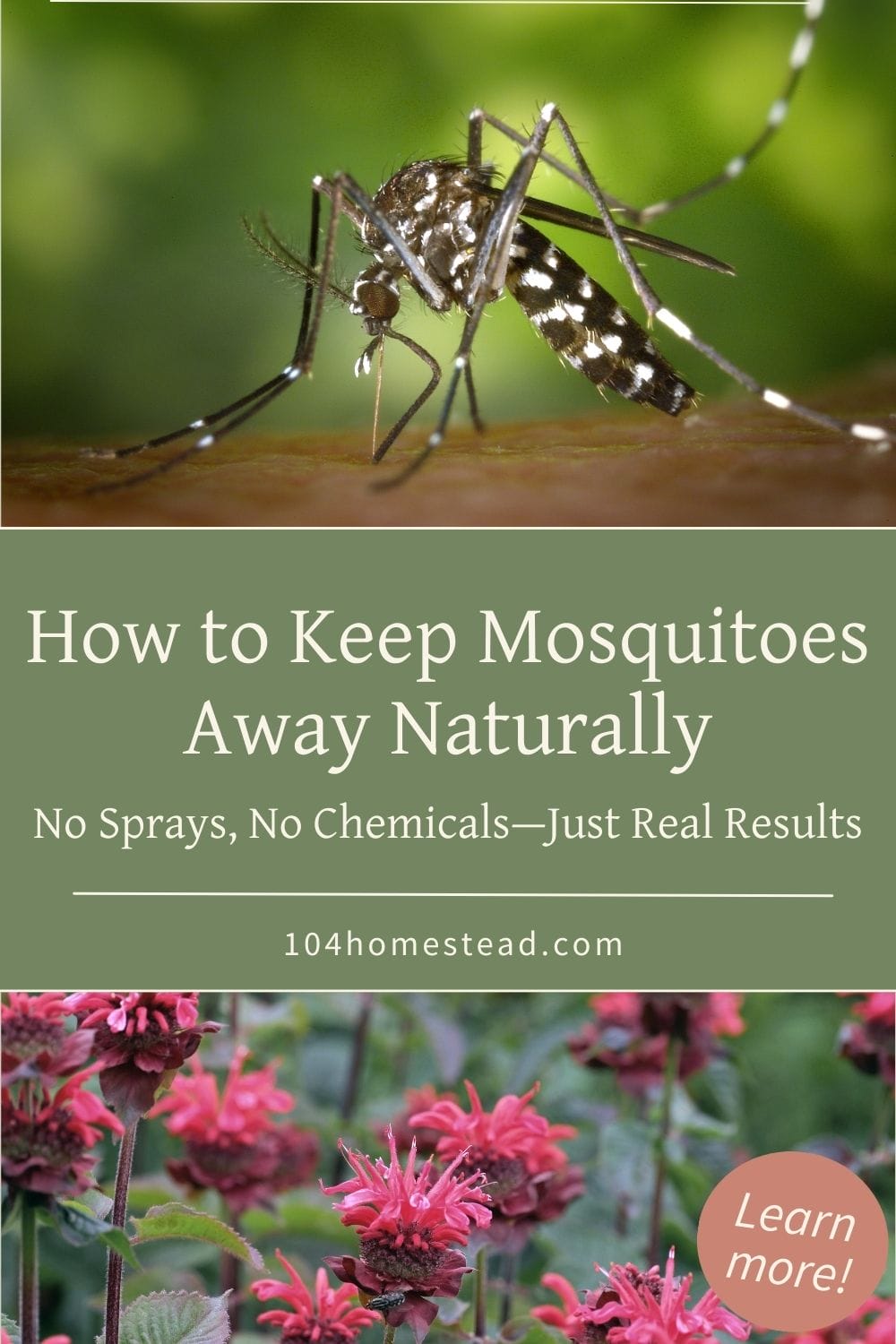
You don’t have to hide inside or coat yourself in chemicals just to get through mosquito season. With a little planning, some well-placed plants, and a simple spray, being outside gets a lot more comfortable. If mosquitoes drive you nuts every summer, try a few of these methods and see what sticks.
What’s your go-to mosquito fix? Drop it in the comments.
I really don’t like mosquitoes. We go camping a lot, and dealing with them is a huge pain. I didn’t know that there were essential oils that could keep them away! My wife loves those, so we will have to take them along next time we go camping.
Great post! Thanks for sharing this. My blood must be super sweet because mosquitoes LOVE me!