Do Guinea Fowl Eat Ticks? A Look at What They Can (+ Can’t) Do
Do guinea fowl eat ticks? Yes, but they aren’t a magic fix. Here’s what research and real-life experience show about using guinea fowl for tick control.
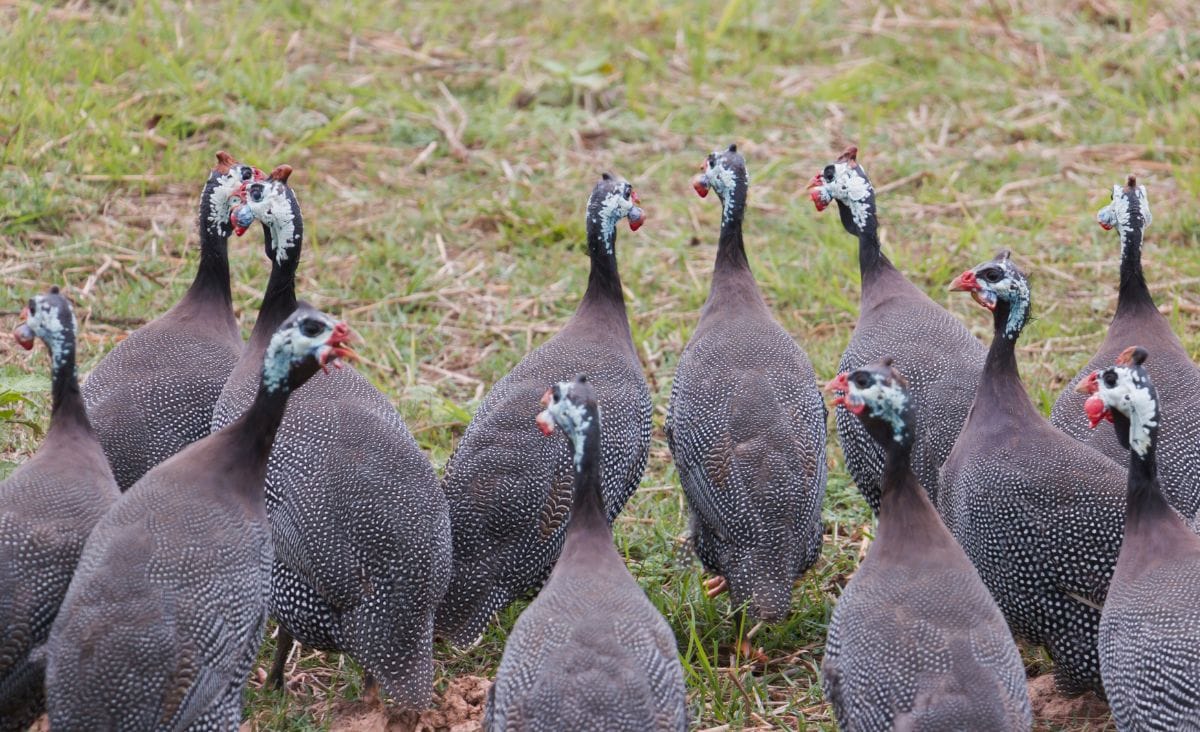
If you’ve ever pulled a tick off yourself and muttered, “There has to be a better way,” you’re not alone. Ticks are a pain, and once they show up, it’s hard not to start looking for a way to deal with them that doesn’t involve spraying chemicals everywhere. That’s about the point where guinea fowl come up.
You’ve probably heard the claim. Guinea fowl eat ticks. Guinea fowl will clear your land. Guinea fowl are the secret weapon against Lyme disease. Here’s what I’ve learned, both from the research side and from keeping guinea fowl myself:
Yes, guinea fowl do eat ticks. No, they are not a complete solution for tick control.
They can help. Sometimes noticeably. But whether they’re worth it depends on your land, your tolerance for chaos, and your expectations going in. Here’s what it looks like when guinea fowl are part of the picture.
What Guinea Fowl Eat and Where Ticks Fit In
Guinea fowl are ground-foraging omnivores. They spend most of their day walking, pecking, scratching, and investigating anything that moves. That includes insects, seeds, small critters… and yes, ticks.
Unlike chickens, guinea fowl tend to roam farther and move faster. They don’t stick close to the coop, and they cover ground constantly. That roaming is why people swear by them for tick control.
On paper, it makes sense. Ticks wait on grass and low vegetation. Guinea fowl patrol those same areas all day long. When the conditions are right, ticks get eaten along with everything else that crawls. The issue is that eating ticks doesn’t always translate into fewer ticks overall.
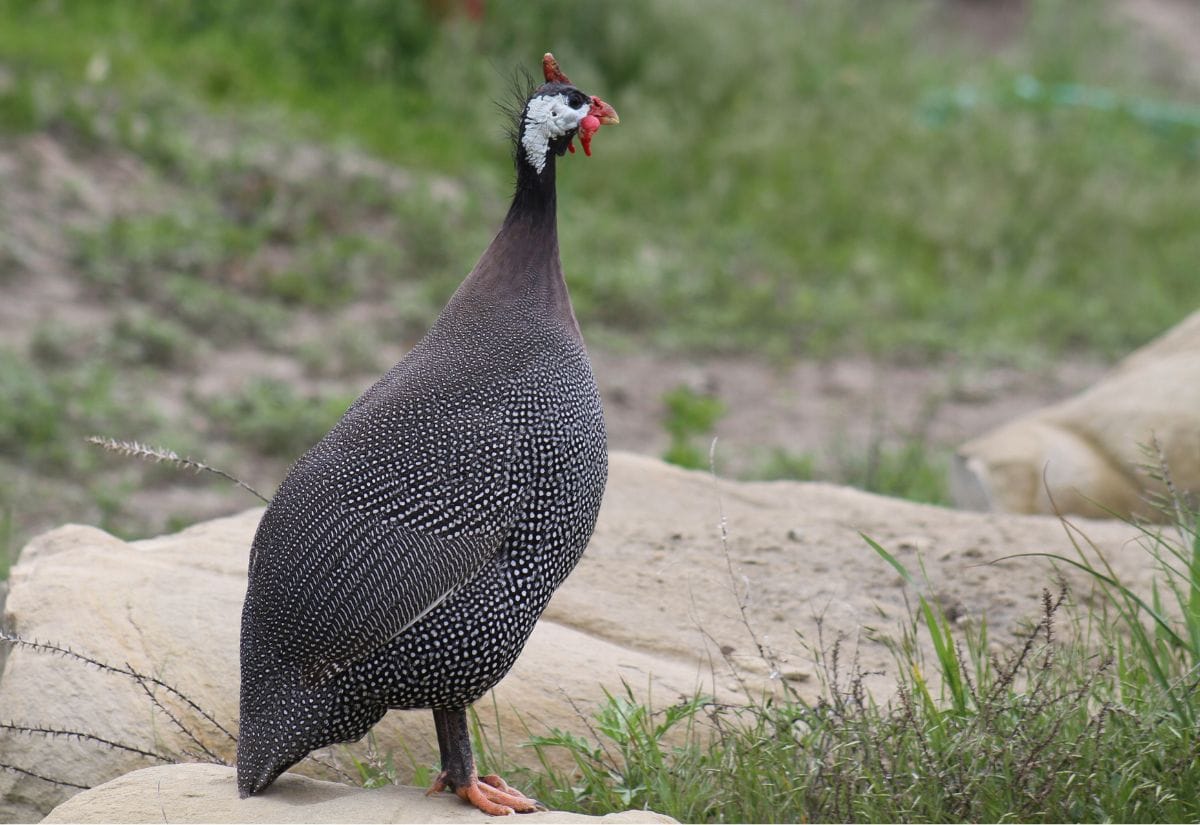
So… Do Guinea Fowl Really Help With Ticks?
Research and extension studies generally agree on one thing: guinea fowl do eat ticks, but there’s no strong evidence that they reliably reduce overall tick populations on their own, especially on larger or wooded properties.
On our 5.5 acres, we kept a small group of guineas free-ranging. In open, high-traffic areas like near the garden and paths we walk daily, there were noticeably fewer ticks. Less ticks on pants. Less surprises behind knees. But in dense brush, shaded edges, leaf litter, and wooded sections? The ticks were still there. Guinea fowl don’t love pushing into thick, tangled areas, and ticks thrive exactly where birds are least effective.
So yes, guinea fowl can reduce tick encounters where they actively forage, but they won’t clear an entire property or break the tick life cycle by themselves.
How Many Ticks Do Guinea Fowl Eat in a Day?
You’ll hear people say that guinea fowl eat hundreds or even thousands of ticks a day. Those numbers sound great, but there’s no solid data behind them. The number of ticks guinea fowl eat depends on:
- How many ticks are present to begin with
- How many birds you have
- How much time they spend free-ranging
- The type of terrain they’re working
In a tick-heavy area, guinea fowl will absolutely eat ticks as part of their daily foraging. But they don’t target ticks exclusively, and they won’t hunt them down in places they avoid. If you’re hoping guinea fowl will erase your tick problem, you’ll be disappointed. If you expect partial reduction in the areas birds naturally patrol, you’ll be much closer to reality.
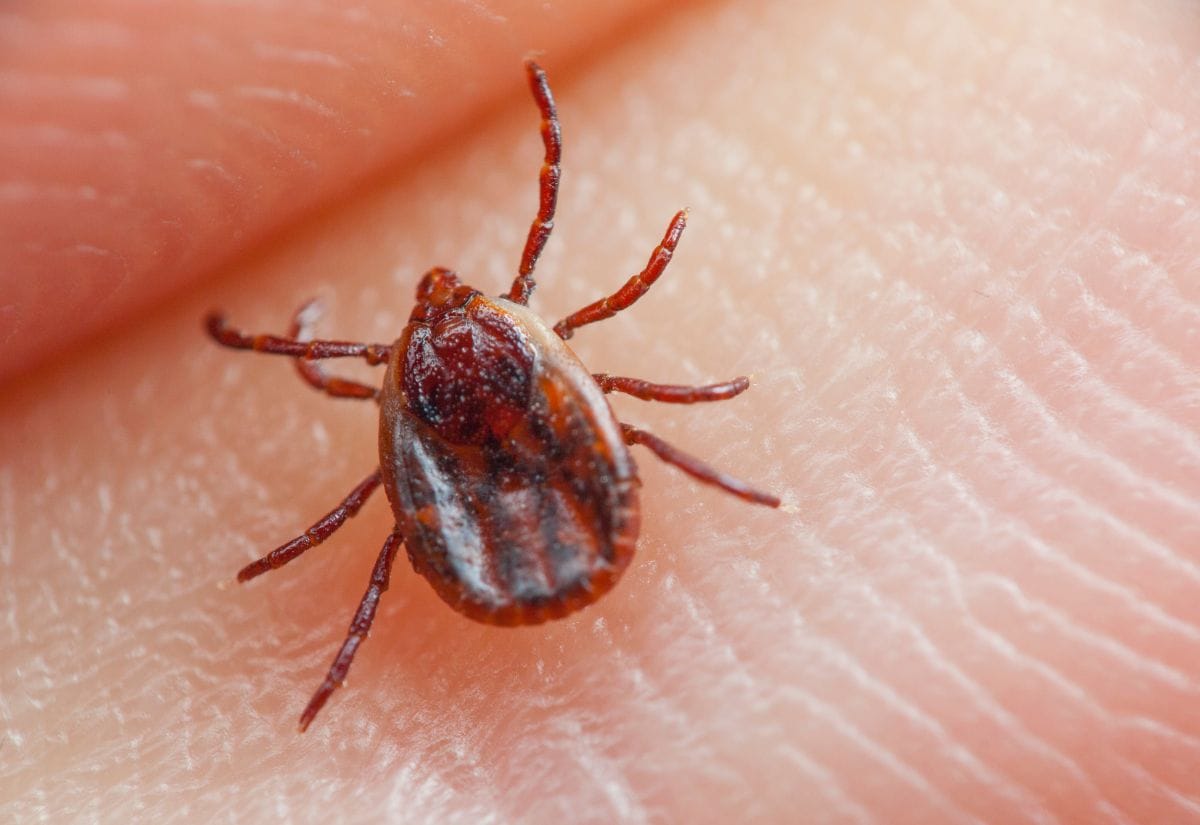
Where Guinea Fowl Make a Difference (and Where They Don’t)
There are certain situations where guinea fowl really do help:
- Open grass
- Mowed paths
- Garden edges
- Areas you walk regularly
They’re far less effective in:
- Dense brush
- Heavy leaf litter
- Shaded woods
- Overgrown perimeter zones
Ticks love exactly the places guinea fowl tend to avoid. That mismatch is the biggest reason they aren’t a complete solution. Mowing, clearing brush, and reducing tick habitat does just as much to reduce ticks as guinea fowl do.

The Downsides You Need to Know Going In
If guinea fowl were easy to live with, we wouldn’t even be talking about this. But that’s not how they are.
Noise Is Not a Small Issue
Guinea fowl are loud. Not occasionally loud. Consistently loud. They sound the alarm for everything, including things that absolutely do not require an alarm. On our property, that noise eventually became a neighbor issue. As helpful as the birds were, they didn’t always stay where they were welcome, and that ended up being a regular headache.
Roaming Is the Default
Guinea fowl don’t respect boundaries. If they can walk there, they will. Without fencing or consistent management, they’ll explore neighboring yards, roads, and places you’d rather they not be. I talk more honestly about that side of things in my post about why guinea fowl are so weird and how I deal with it, because the behavior surprises a lot of people.
Predator Risk Is Real
Free-ranging guinea fowl are vulnerable. They roam far, they don’t hide well, and predators notice. If you’re serious about keeping them long-term, housing and layout matter a lot, which is why I eventually put more effort into creating a secure guinea fowl coop and run setup.
Are Guinea Fowl Worth It for Tick Control?
Guinea fowl can play a role in tick control, just not a solo one. They work best when they’re part of a bigger, realistic approach.
If you’re already interested in guinea fowl for other reasons, it makes sense to factor tick reduction into the decision. If ticks are your only reason, it’s worth slowing down and considering the full picture first. If you’re torn, it helps to look at why people keep guinea fowl at all, not just what they eat.
Answers You Want Before Bringing Guinea Fowl Home
These are some of the most common things people ask once they start seriously considering guinea fowl for ticks.
Pin this so you can come back to it later if ticks are pushing you toward guinea fowl.
Guinea fowl aren’t a cure-all, but they’re not useless either. When they’re used with realistic expectations and good land management, they can help reduce tick encounters in the places you spend time.
For some homesteads, that trade-off is worth it. For others, the noise, roaming, and management outweigh the benefits. This is one of those choices that depends on your setup and how much chaos you’re willing to manage.
If you’ve kept guinea fowl for tick control or considered it and decided against it, I’d love to hear how that played out for you. Drop a comment below and tell me what worked, what didn’t, or what questions you’re still wrestling with.