How to Brew Irish Stout at Home (Beginner-Friendly Guide)
Learn how to brew Irish stout at home with this simple step-by-step recipe. A beginner-friendly guide to creating a rich, roasted stout.
The first time I brewed a stout at home, it was late winter here in Maine. Snow was still piled up along the driveway, the wood stove was running nonstop, and I figured if I was going to be stuck inside for a few more weeks, I might as well try something new in the kitchen.
I’ll admit I expected the process to feel complicated. Brewing beer has a reputation for being technical and equipment-heavy. What I discovered through trial and error is that a simple stout is one of the most forgiving beers you can start with. If you can follow a few basic steps and keep things clean, you can brew a rich, dark stout right at home.
In this post I’ll show you how I brew a simple Irish stout at home. We’ll go through the equipment, the ingredients, and the fermentation process step by step.
What Makes an Irish Stout Different
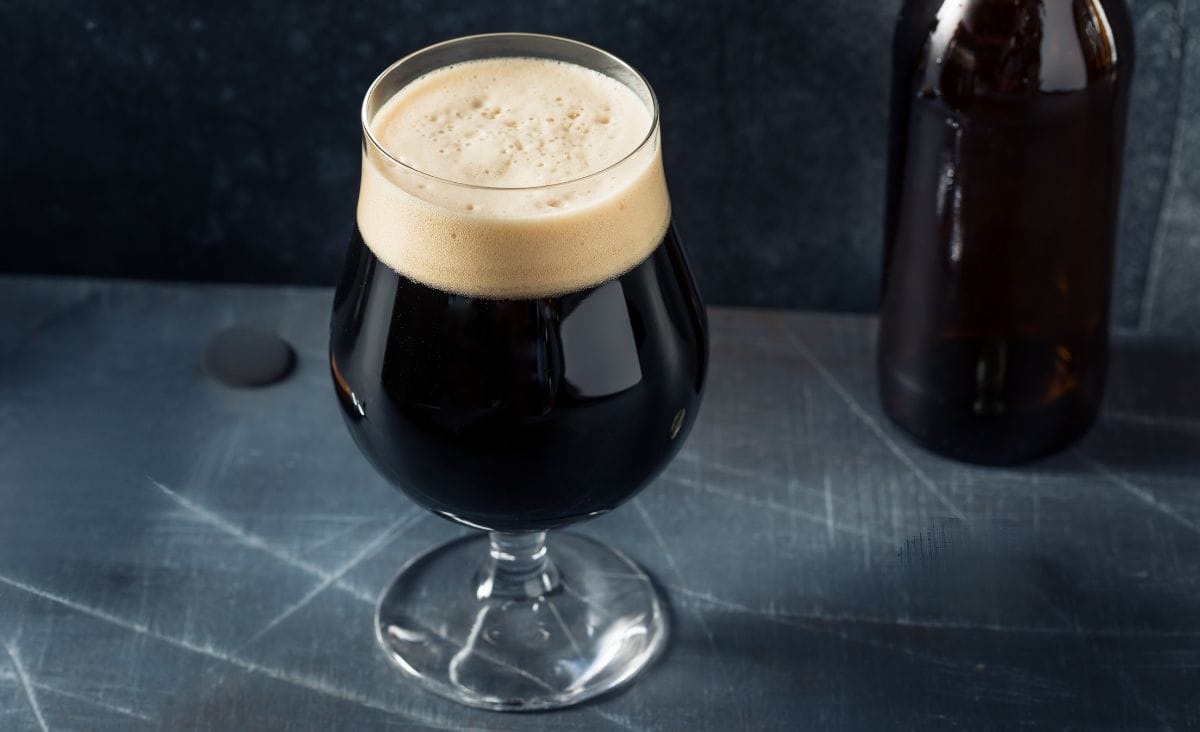
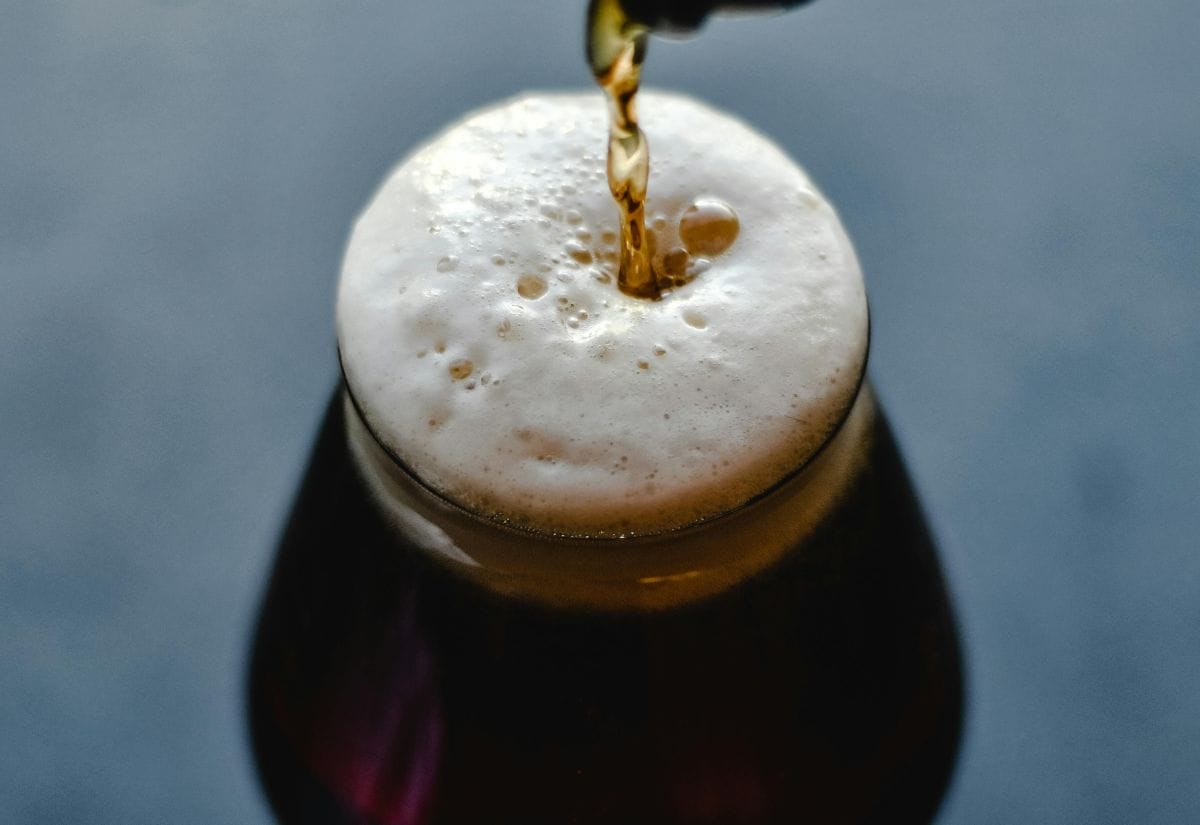
When most people picture stout, this is the style they’re thinking of. Dark, roasty, and topped with a thick foam. Compared with many other stouts, it tends to be lighter in alcohol and less sweet. Most versions land somewhere around four to five percent ABV.
The defining ingredient is roasted barley. That’s what gives the beer its dark color and the coffee-like bitterness people expect from the style. Flaked barley is often included to build body and help the beer develop a thick, lasting head. The base malt is the grain that feeds the yeast and provides most of the alcohol in the finished beer. Without it, the yeast wouldn’t have much sugar to work with and the beer would end up thin. Roasted barley builds the flavor. A modest amount of hops balances the beer without stealing the spotlight from the grains.
Equipment You’ll Need to Brew a Simple Stout
Most beginners assume you need a bunch of shiny brewing equipment to get started. But you can brew a good stout with surprisingly little equipment.
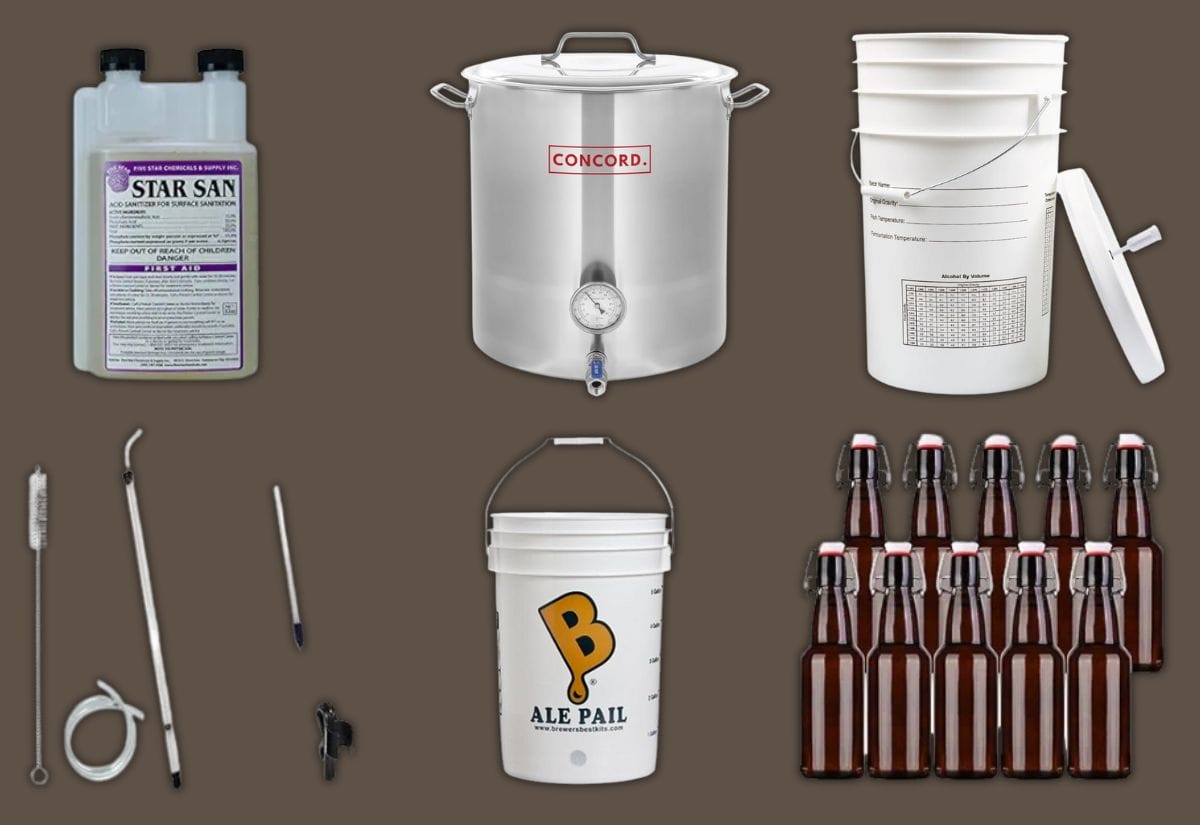
For a basic setup, you really only need a brew kettle, a fermenter with an airlock, some tubing, and bottles. A hydrometer lets you measure the sugar levels in the wort so you can estimate alcohol later. And sanitizer is one thing you never want to skip. Clean equipment keeps unwanted bacteria out of your beer.
If you’ve done any kind of fermentation in the kitchen, some of this equipment will look familiar. If fermentation in general is new territory, you might enjoy starting with something simple like homemade sauerkraut with just cabbage and salt before jumping into beer.
Ingredients That Build the Flavor of Irish Stout
One reason stout is beginner-friendly is that it only uses a handful of ingredients.
Roasted Barley and Specialty Grains
Roasted barley is the heart of the style. It brings the deep color and the dry, slightly bitter edge that makes Irish stout recognizable. A small amount goes a long way.
Chocolate malt adds another layer of roasted character. In this recipe it rounds out the darker flavors without pushing the beer into heavy or overly bitter territory. Flaked barley contributes body and helps create that creamy foam you see on a well-poured pint.
Hops and Yeast
Stout doesn’t rely on aggressive hops. Instead, it uses mild English varieties that balance the malt while staying in the background.
For this recipe I stick with East Kent Goldings hops, which bring a gentle bitterness and a subtle earthy character that fits the style well. For yeast, I usually use an Irish ale strain.
Malt Extract for a Beginner-Friendly Batch
If you’re new to brewing, malt extract simplifies the process without sacrificing flavor. Instead of mashing a full grain bill, you dissolve light dry malt extract into hot water to create the base of the wort. Wort is simply the sweet liquid that will later ferment into beer once yeast is added. Once the wort is made, the rest of the brewing process is about boiling it, cooling it, and letting yeast turn those sugars into beer.
A lot of beginners start this way because it skips one of the trickier steps.
How to Brew Dry Irish Stout at Home (Step-by-Step)
Once everything is ready, the process moves through a few simple steps.
Preparing and Sanitizing Your Equipment
Keeping everything clean is one of the most important parts of brewing beer. Before you begin, clean and sanitize everything that will touch the beer after the boil. Fermenters, siphons, spoons, and bottles should all be treated with a no-rinse sanitizer.
This step prevents unwanted bacteria from competing with your brewing yeast.
Steeping the Grains and Building the Wort
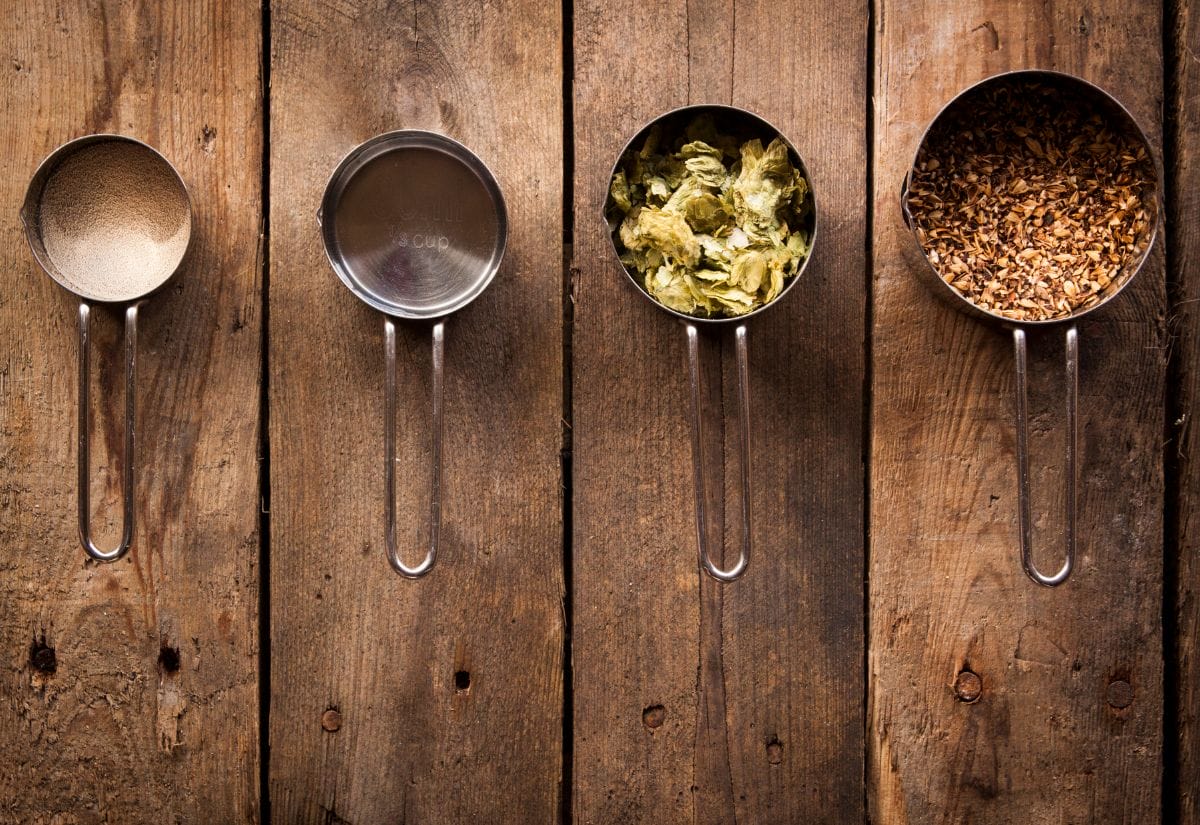
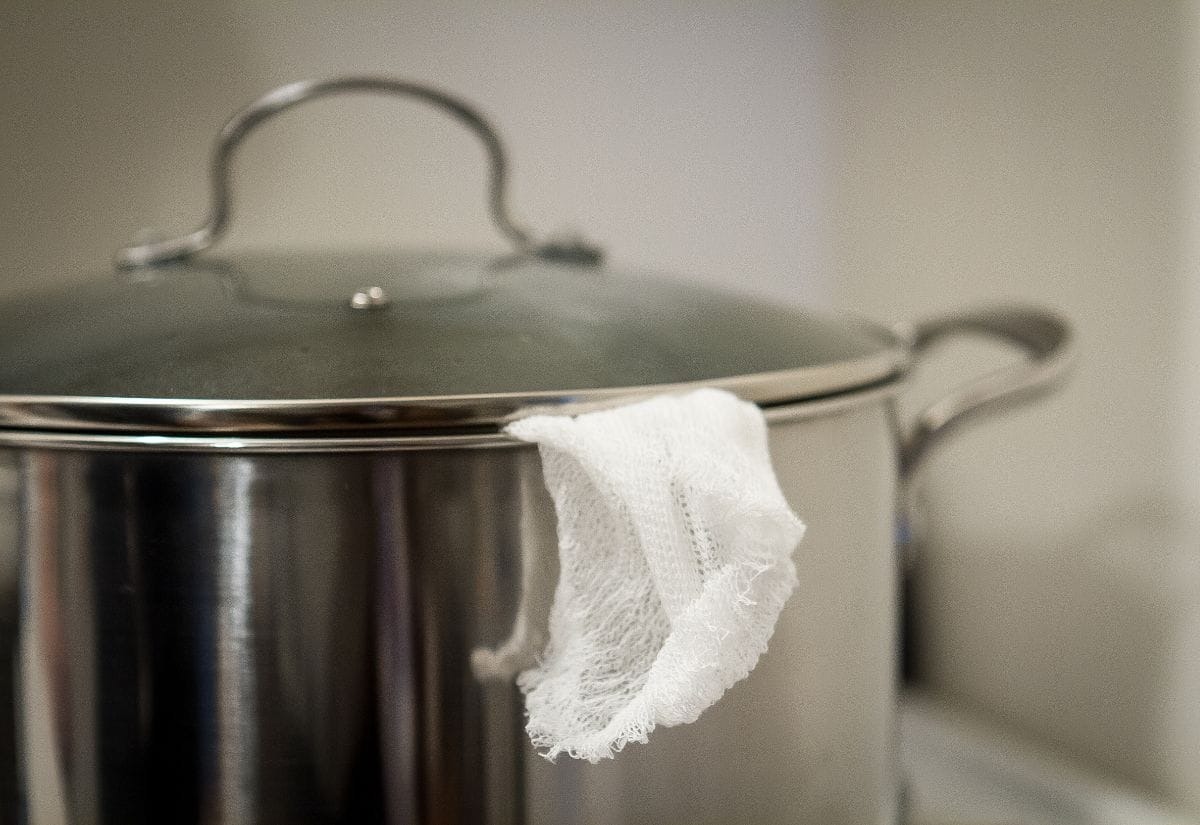
Start by heating about three gallons of water in your brew kettle. When it reaches roughly 160°F, place the roasted barley, chocolate malt, and flaked barley in a mesh bag and steep them in the water for about twenty minutes. The grains release color and flavor into the liquid without needing a full mash. After steeping, remove the grain bag and let it drain back into the kettle.
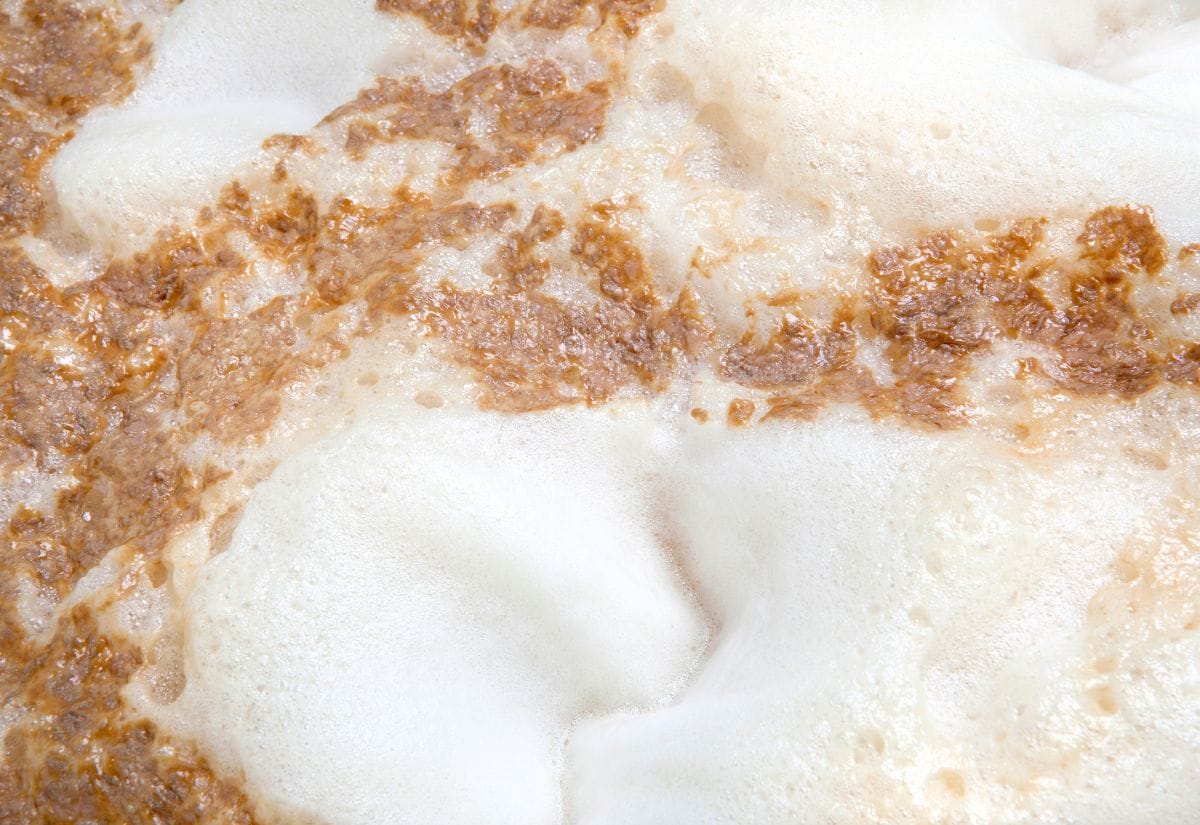
Next, stir in the malt extract until it dissolves completely. Bring the mixture to a boil. Keep an eye on the kettle during this stage since foam can rise quickly when the boil begins.
Boiling the Hops
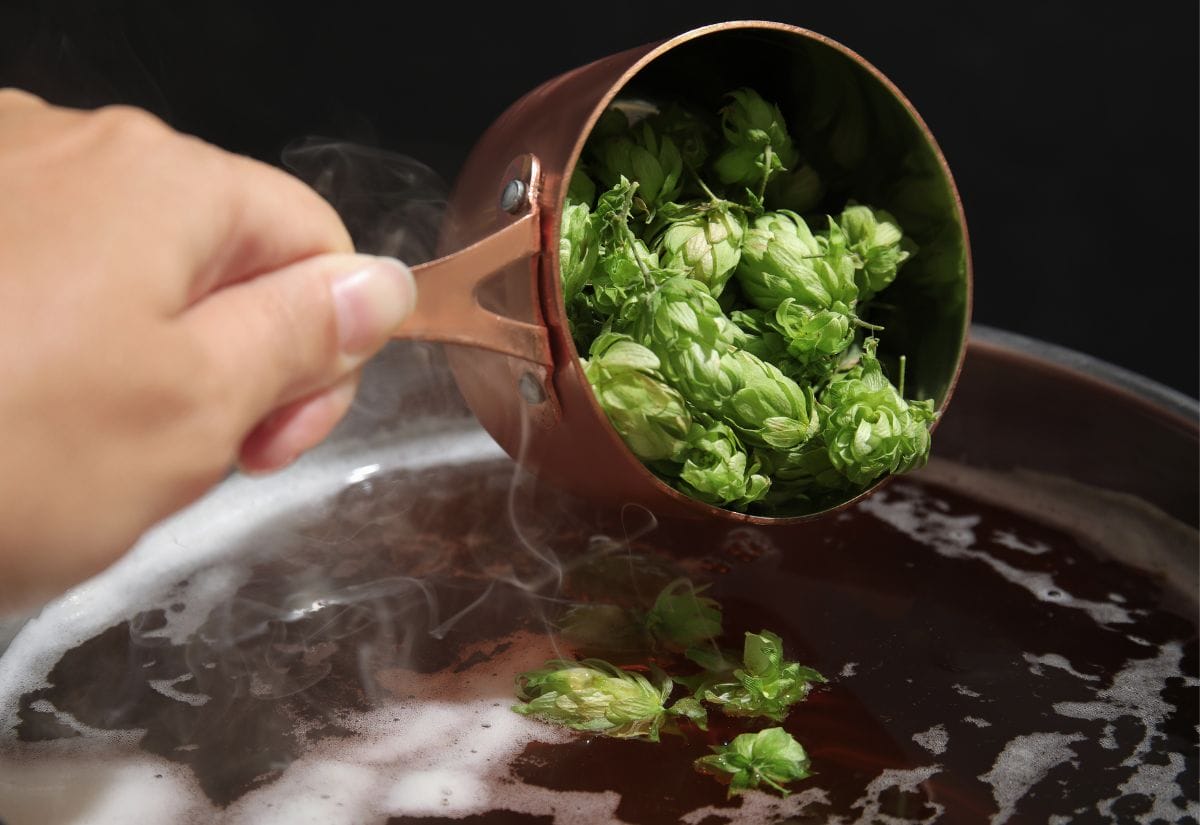
Once the wort reaches a steady boil, hops are added at specific times. The early addition provides bitterness while the later addition adds aroma.
Add the East Kent Goldings hops at the beginning of the sixty minute boil. With about fifteen minutes left, add the Fuggle hops for a mild aroma. If you use a whirlfloc tablet for clarity, it can go in during the final ten minutes.
Cooling the Wort and Starting Fermentation
After the boil finishes, the wort needs to cool down fairly quickly. This helps prevent unwanted bacteria from taking hold before the yeast is added. Rapid cooling also helps certain proteins settle out of the liquid, which can improve the clarity of the finished beer. Placing the kettle in an ice bath or using a wort chiller will bring the temperature down to around seventy degrees.
Once cooled, transfer the wort to your fermenter and add enough water to reach five gallons. This is the point where yeast is added. Sprinkling or pouring in the yeast is called pitching. The yeast will begin converting sugars into alcohol and carbon dioxide.
Attach the airlock and store the fermenter in a cool, dark location around sixty five to seventy degrees.
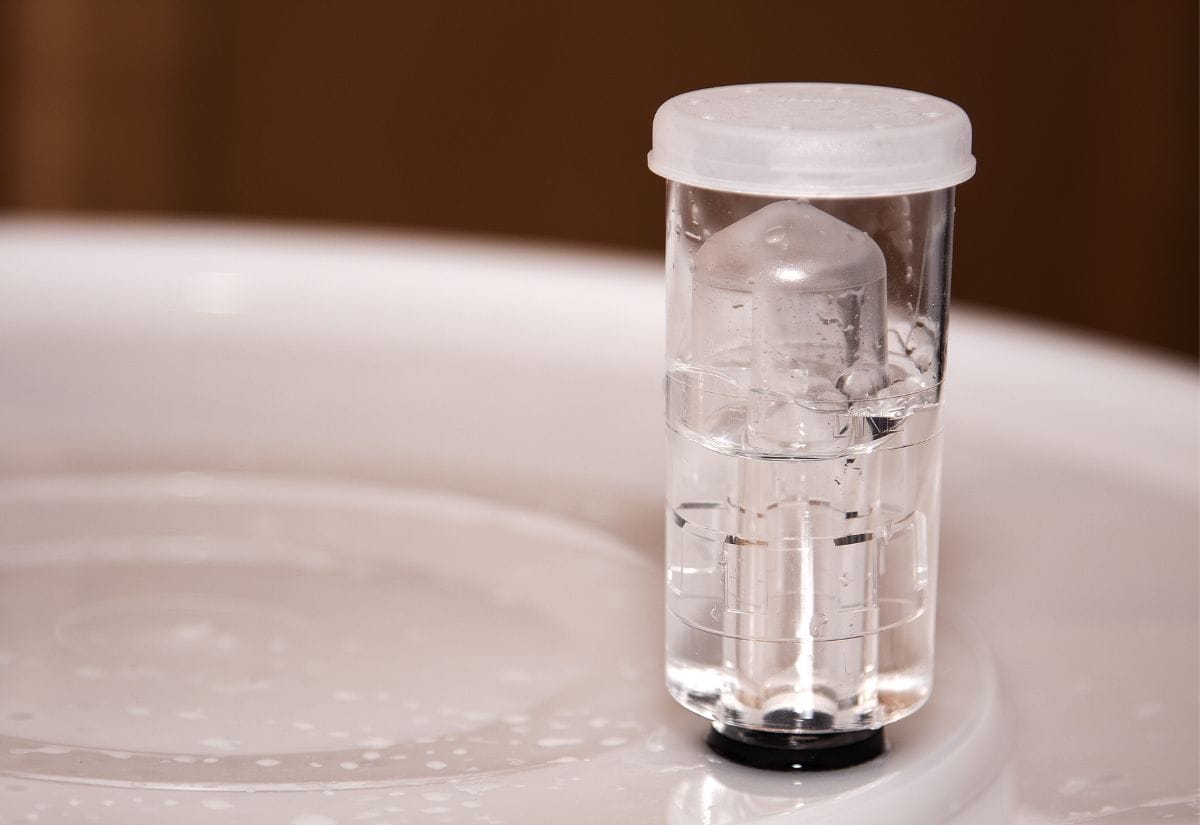
After about a day the airlock will usually start bubbling as fermentation kicks in. The bubbling will slow down after several days as the yeast finishes most of its work.
Bottling and Carbonating the Beer
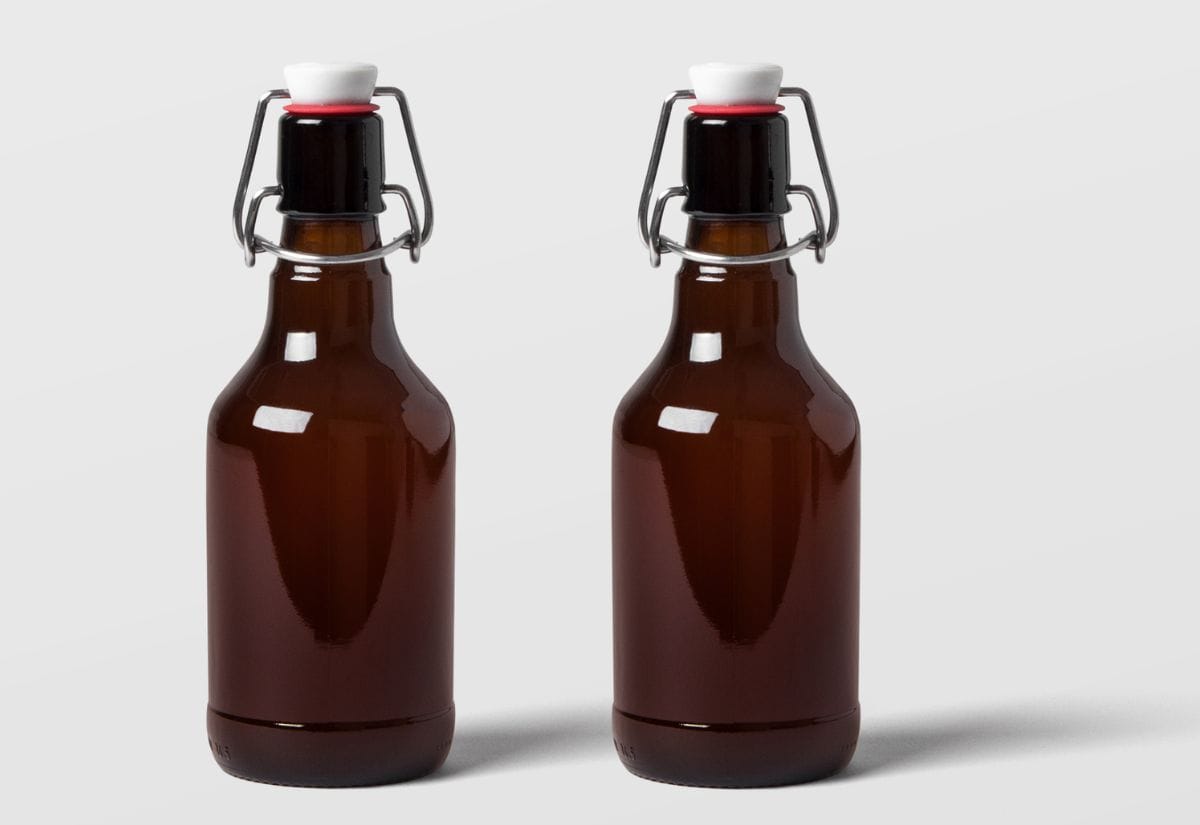
After about two weeks, fermentation will slow down and the beer is ready for bottling. Dissolve priming sugar in boiling water, allow it to cool, then mix it gently with the beer in a bottling bucket.
Fill your bottles and seal them. Over the next couple of weeks, the yeast will create natural carbonation inside the bottle. Because the bottles are sealed, the carbon dioxide stays trapped in the liquid and forms the bubbles in your beer. This process is called bottle conditioning and is how many traditional beers develop their carbonation.
If brewing at home sparks your interest, another approachable fermentation project is brewing your first batch of hard apple cider at home, which uses a similar process but with far fewer ingredients.
Simple Ways to Customize Your Stout
Once you’ve brewed a batch or two, you might want to experiment a little.
Increasing the flaked barley slightly can create an even thicker head and fuller body. Swapping hop varieties introduces subtle flavor changes. Some brewers add coffee beans or cocoa nibs during fermentation for a richer roasted profile.
Most of the time I keep stout pretty traditional.
If you’re serving stout with a meal, a slice of homemade Irish soda bread goes really well with those roasted flavors.
Helpful Answers for First-Time Irish Stout Brewers
Here are a few things readers often ask once they start thinking about brewing their own stout.
Pin this so you can find it again when you’re ready to brew your first batch.

After one batch, the whole process starts to feel much less intimidating. It really comes down to a few steps: steep the grains, boil the wort, pitch the yeast, and give it time to ferment. A few weeks later you’re pouring a beer you brewed in your own kitchen, which is pretty satisfying.
If you give this a try, let me know how your batch turns out. Leave a comment and tell me what worked, what surprised you, or what you might change the next time around.
Traditional Irish Stout (Beginner Homebrew Recipe)
This post may contain paid links. If you make a purchase using the links in this recipe, I may earn a commission.
Equipment
- 5-Gallon Fermenter with airlock
- Brew Kettle at least 5 gallons
- Strainer or mesh bag
- Thermometer
- Hydrometer to measure alcohol content
- Auto-Siphon & Tubing
- Bottling Bucket with spigot
- 50 Bottles we like the ones with the ceramic caps attached
- Sanitizer
Ingredients
Grains & Malts:
- 6.6 lbs Light Dry Malt Extract
- 8 lbs Pale Malt (if doing all-grain)
- 1 lb Roasted Barley
- 0.5 lb Chocolate Malt
- 0.5 lb Flaked Barley
Hops & Yeast:
- 1 oz East Kent Goldings Hops
- 1 oz Fuggle Hops
- 1 packet Irish Ale Yeast Wyeast 1084 or Safale S-04
Other Additions:
- 5 gallons Water filtered
- ¾ cup Priming Sugar for bottling
- 1 Whirlfloc Tablet optional
Instructions
- Sanitize anything that will touch the beer. This step prevents contamination and keeps unwanted bacteria out of your batch. Use a no-rinse sanitizer and make sure your fermenter, spoon, and siphoning equipment are completely clean before starting.
- In a large brew kettle, heat 3 gallons of water to about 160°F. Add the roasted barley, chocolate malt, and flaked barley in a mesh bag. Let them steep for about 20 minutes so the grains release their color and roasted flavor. Remove the grains and let them drain into the pot before discarding them.1 lb Roasted Barley, 0.5 lb Chocolate Malt, 0.5 lb Flaked Barley
- Increase the heat and bring the water to a gentle boil. Remove from heat and stir in the dry malt extract (DME) until fully dissolved.6.6 lbs Light Dry Malt Extract
- Return the mixture to a boil. Be careful. Boilovers can happen fast.
- At 60 minutes: Add 1 oz East Kent Goldings hops for bitterness.1 oz East Kent Goldings Hops
- At 15 minutes: Add 1 oz Fuggle hops for aroma.1 oz Fuggle Hops
- At 10 minutes: If using, add a whirlfloc tablet to help with clarity.1 Whirlfloc Tablet
- After the 60-minute boil, remove the pot from heat. Cool the wort (unfermented beer) as quickly as possible using an ice bath or wort chiller. The goal is to get it down to about 70°F.
- Pour the cooled wort into a sanitized fermenter. Add enough cool water to reach 5 gallons. Use a sanitized hydrometer to take an initial gravity reading.
- Add the yeast (called pitching the yeast), close the fermenter, and attach the airlock.1 packet Irish Ale Yeast
- Place the fermenter in a dark, cool space (around 65-70°F) and let it ferment for at least 2 weeks. You’ll notice bubbling in the airlock within the first 24 hours, signaling active fermentation.
- After fermentation slows and bubbling has mostly stopped (usually around two weeks), dissolve the priming sugar in 2 cups of boiling water. Cool and mix with the beer in a bottling bucket.3/4 cup Priming Sugar
- Siphon into bottles, cap them, and store in a dark place at room temperature for 2 weeks to carbonate.
Notes
- Store bottled stout in a cool, dark place for up to six months.
- Once the beer is fully carbonated (after about two weeks), store bottles in the refrigerator.
- For the best texture, serve stout slightly chilled at about 45–50°F in a pint glass.