Natural Green Food Coloring with Spinach or Matcha
Make natural green food coloring using spinach or matcha! A simple, chemical-free way to add color to baked goods & treats.
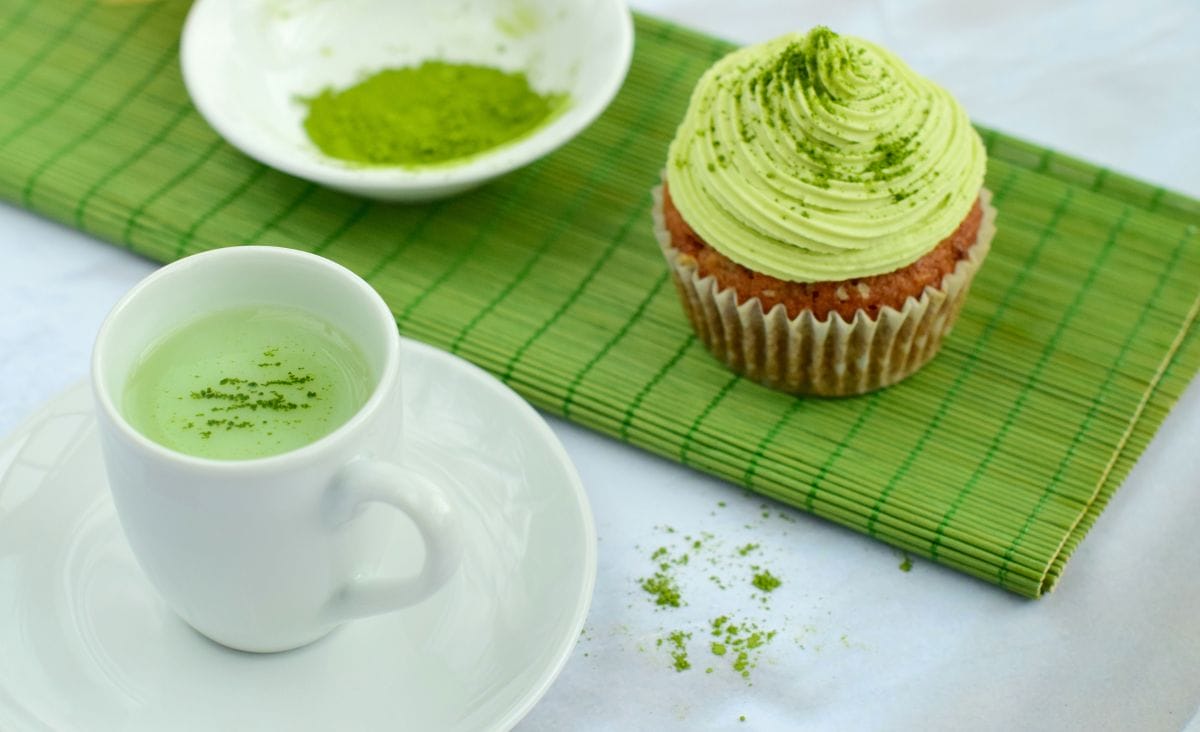
Those tiny bottles of neon green work fast. I’ll give them that. But when you read what’s actually in them, it’s not always what you want in your frosting. Luckily, making your own natural green food coloring is simple, and you only need one or two ingredients (spinach or matcha).
Whether you’re dyeing frosting for a Saint Patrick’s Day dessert, coloring homemade pasta, or adding a festive touch to your smoothies, natural green food coloring is a simpler option that still gives you great results. The shade won’t be neon like store-bought dye, but it looks fresh and vibrant.
Let’s dive into how you can make this at home using two easy methods!
Why Spinach and Matcha?
You’ve got two solid options here. Spinach if you want mild. Matcha if you want bold.
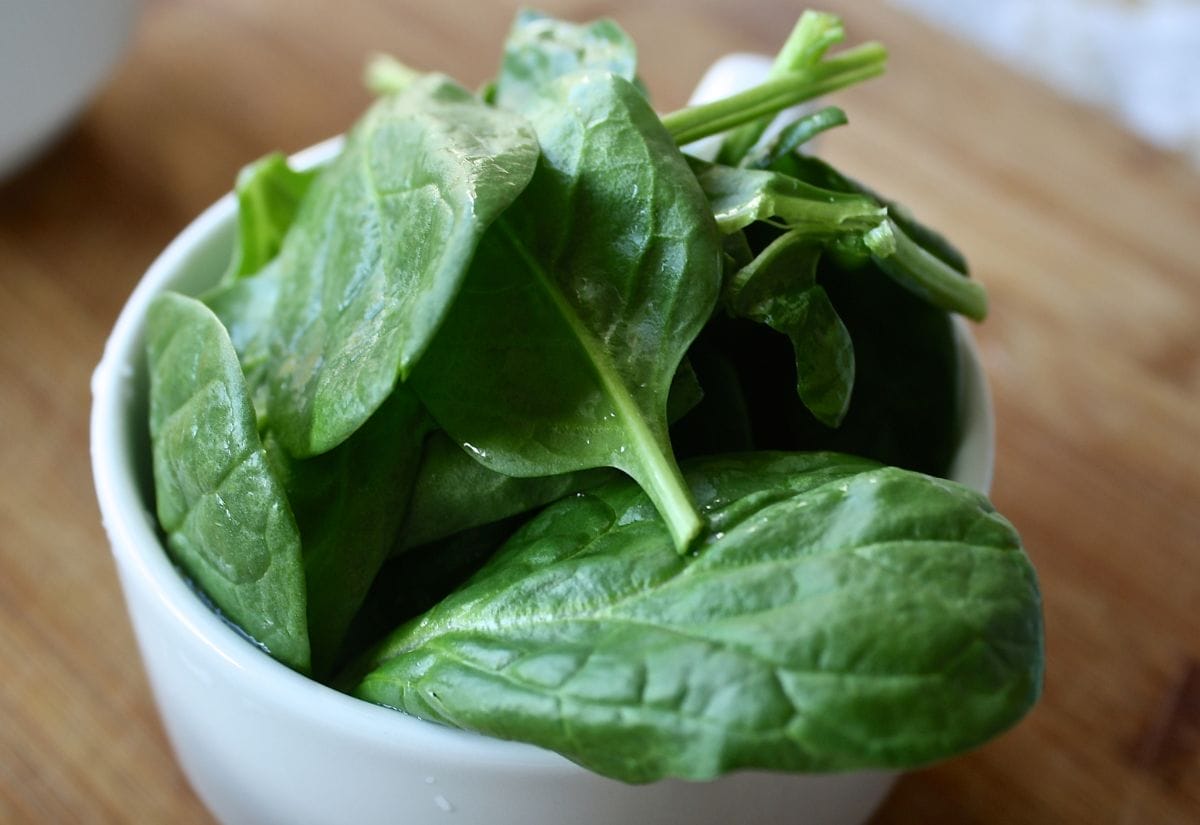
Spinach: A Mild, Neutral Option
Trust me on this one. Once it’s blended, it disappears flavor-wise and just leaves color behind.
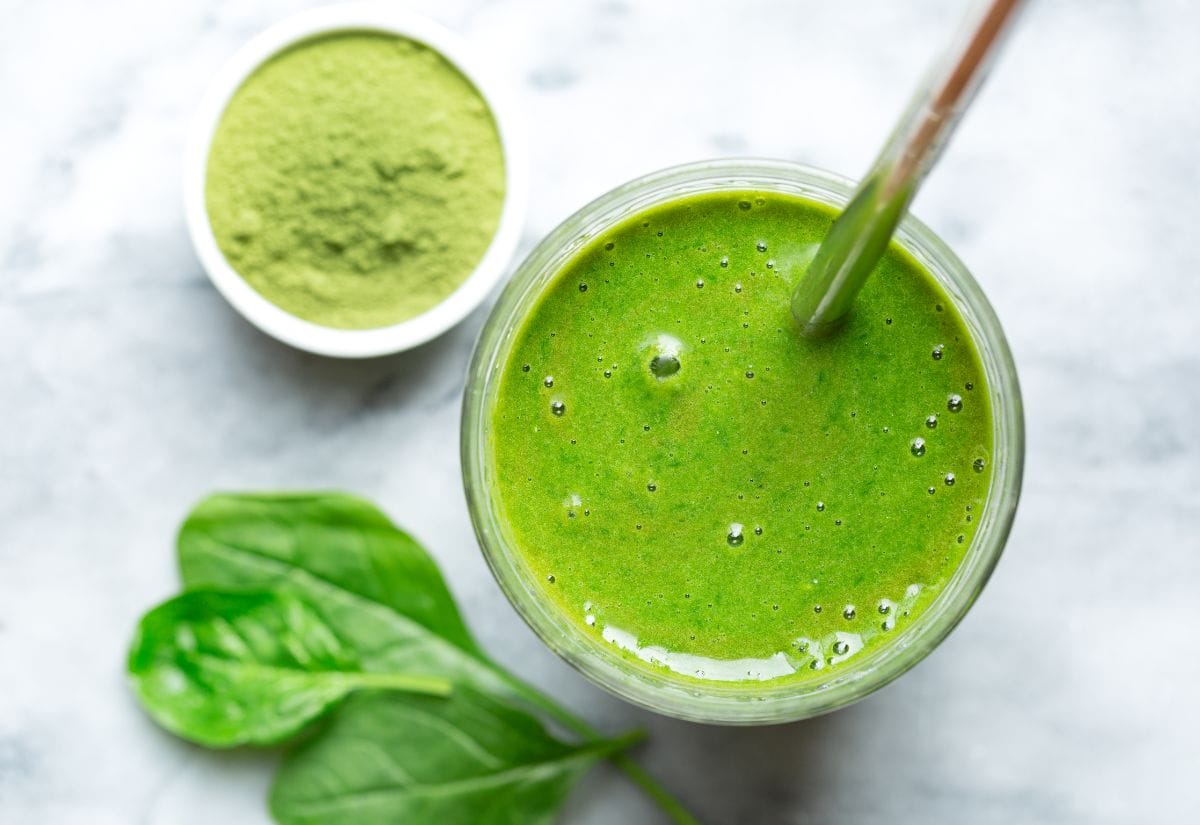
Matcha: A Potent Green Hue with an Earthy Taste
If you’re looking for a shortcut, matcha is another fantastic natural green dye. Unlike spinach, matcha has a distinct earthy, slightly bitter flavor, which makes it best for recipes that pair well with its taste, like cakes, lattes, and pancakes. Since matcha is already powdered, there’s no need to extract liquid or strain anything.
Making Green Food Dye from Spinach
To make natural green food coloring using spinach, you’ll need a few simple ingredients and tools. Start with fresh spinach, preferably baby spinach, as it has a milder flavor and blends smoothly. A loosely packed cup of spinach will give you enough dye for a batch of frosting or pancakes. If you’re coloring pasta dough, plan on using at least 2 packed cups for a deeper green.
You’ll also need water. Just enough to get things moving (2–3 tablespoons of water for every packed cup of spinach). Start small. You can always add more. Too much and the color thins out fast.
You’ll need a blender or food processor to get it smooth. To achieve a silky, liquid consistency without any fibrous bits, have a fine-mesh sieve or cheesecloth on hand for straining the mixture.
Blanch the Spinach
Blanching keeps it bright instead of dull and removes any bitterness. Boil a small pot of water and quickly add the spinach. Let it cook for 30 seconds before immediately transferring it to a bowl of ice water. Leave it in the ice water for about one minute, just until completely cooled. Once the spinach feels cold to the touch, it’s ready to drain. Letting it cool completely is what keeps it bright.
Blend and Strain
Drain the spinach and place it into a blender with a few tablespoons of water. Blend until you get a smooth, thick puree. If needed, add a little more water to help it blend. To remove any fibrous bits, strain the spinach puree through a fine-mesh sieve or cheesecloth into a bowl. What you’re left with is 2-4 tablespoons of deep green liquid that’s ready to stir into just about anything.
Store the Coloring
Pour the liquid into an airtight container and store it in the fridge for up to one week. If it develops an off smell or separates oddly, discard it. For longer storage, freeze the green food coloring in an ice cube tray and thaw as needed.
Making Green Food Dye from Matcha
With matcha, you can keep it dry or turn it into a quick liquid. Both work.
Method 1: Powdered Green Dye
Simply whisk matcha powder directly into your recipe. Start with ½ teaspoon and increase gradually until you reach the shade you want. Too much matcha can overpower a recipe, so increase in small increments.
This works well for batters, frostings, and doughs where the dry ingredient can easily incorporate.
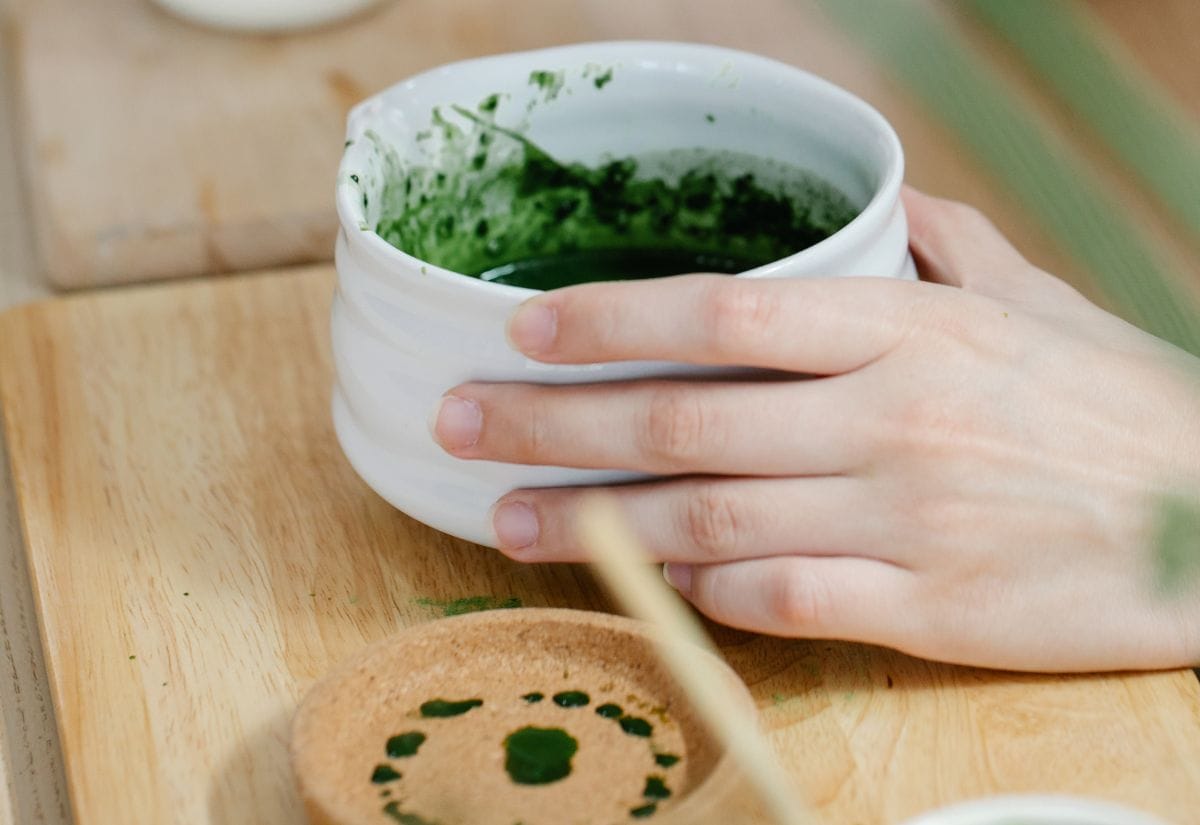
Method 2: Liquid Green Dye
For a liquid alternative, mix 1 teaspoon of matcha powder with 1-2 tablespoons of water to create a concentrated green dye. Stir well to dissolve any clumps.
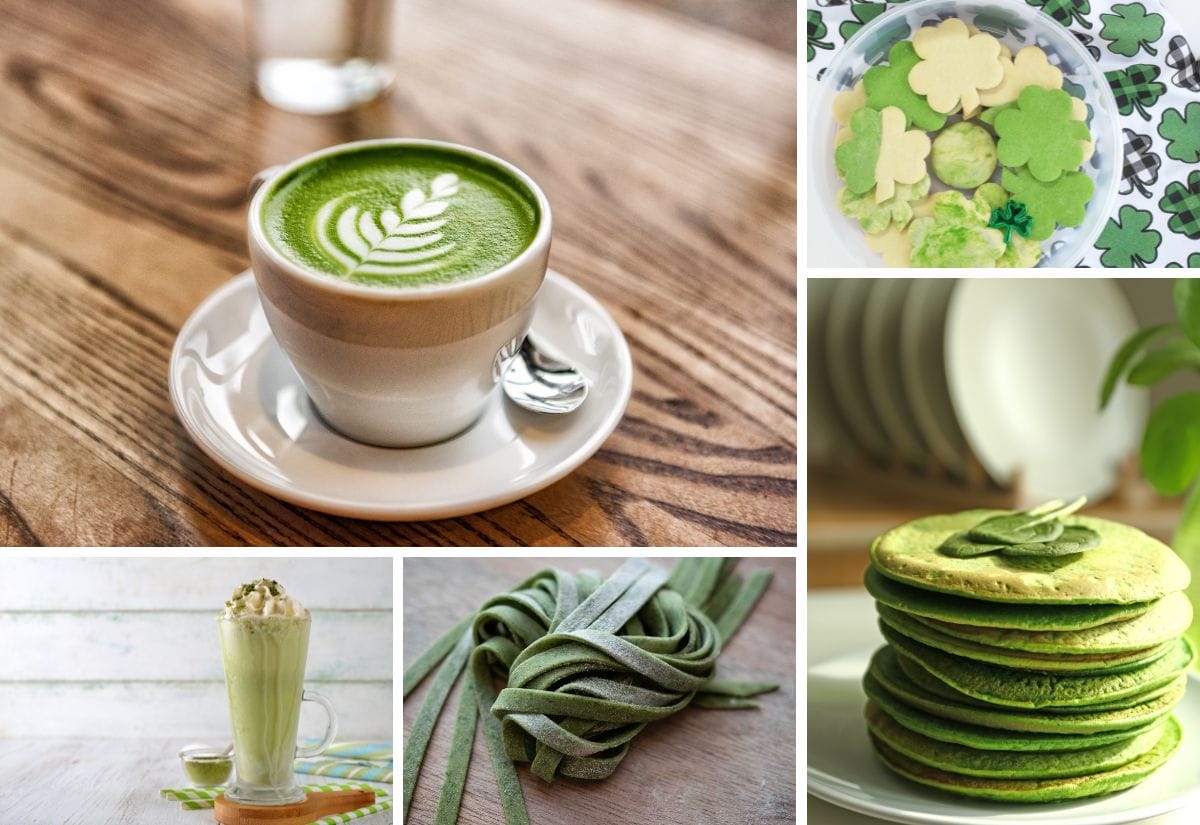
Creative Ways to Use Your Natural Green Food Coloring
Natural green food coloring is perfect for festive treats, especially for Saint Patrick’s Day. Here are some fun ways to use it:
- Green Pancakes or Waffles – Add spinach or matcha dye to your batter for a fun twist!
- Shamrock Sugar Cookies – Use your homemade green dye in frosting to decorate cookies.
- Green Smoothies – A splash of spinach dye enhances the color without changing the flavor.
- Homemade Green Pasta – Spinach dye works great for coloring fresh pasta dough! Add the liquid during the mixing stage in place of part of the water. Reduce the recipe’s liquid slightly to account for the added dye.
- Matcha Lattes – Stir matcha powder into warm milk for a naturally green drink.
Before You Start Blending Spinach or Whisking Matcha
If you’re wondering about flavor, storage, or how it behaves in recipes, here are a few things to know before you get started.
Pin this natural green food coloring tutorial so you have it ready for your next festive bake or homemade pasta night.

Once you try homemade green food coloring, you’ll realize it’s a lot simpler than it sounds. Whether you want a mild, neutral color with spinach or a vibrant, earthy hue with matcha, both options are fantastic for baking, cooking, and festive treats.
If you like keeping things simple in the kitchen, this is just one small swap. You could bake a loaf of traditional Irish bread. Or decorate a batch of naturally colored sugar cookies. Or try naturally dyed Easter eggs. Once you start experimenting with real ingredients, it’s hard to stop.
Have you tried making your own natural food coloring? What’s your favorite way to use it? Let me know in the comments!