How to Make Authentic Irish Soda Bread from Scratch
Learn how to make an authentic Irish soda bread recipe with simple pantry ingredients. No yeast, no kneading, and ready in under an hour.
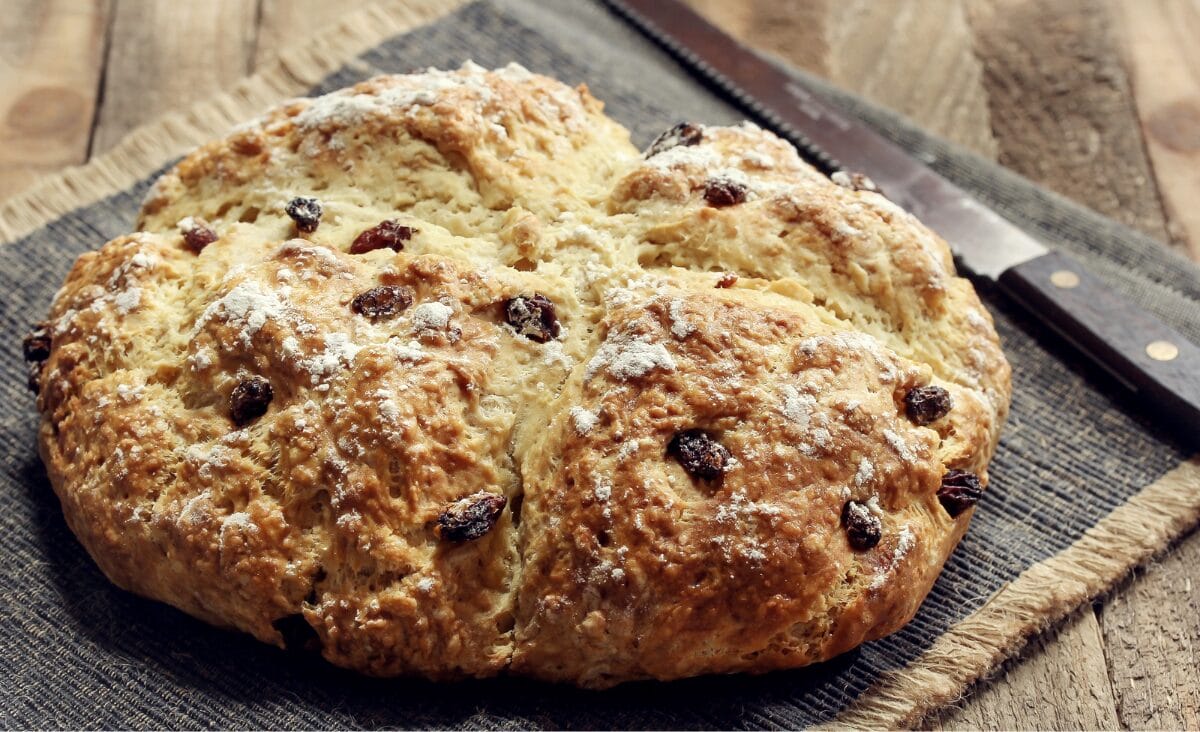
Few things beat the smell of bread baking in the oven. Irish soda bread happens to be one of the easiest loaves you can make at home. It’s a simple loaf with a crisp crust and a soft middle, and people have been baking it this way for generations. No yeast, no stand mixer, and no complicated steps. Just flour, buttermilk, baking soda, and salt. That’s it.
Here’s how I make a traditional Irish soda bread from scratch. No kneading. No rise time. You can have a loaf on the table in under an hour.
You’ll see it everywhere around St. Patrick’s Day, but it’s worth baking any time of year.
What Makes This Irish Soda Bread So Special
I come back to this bread a lot because it’s quick and hard to mess up. Yeast bread can take half a day. This loaf comes together in minutes, making it perfect for busy days when I want fresh, homemade bread without the wait. You can eat it with jam in the morning or dunk it in stew at dinner.
The Science Behind Soda Bread
Soda bread rises because baking soda reacts with the acid in the buttermilk. The lack of kneading keeps the gluten from developing too much, ensuring a tender texture.
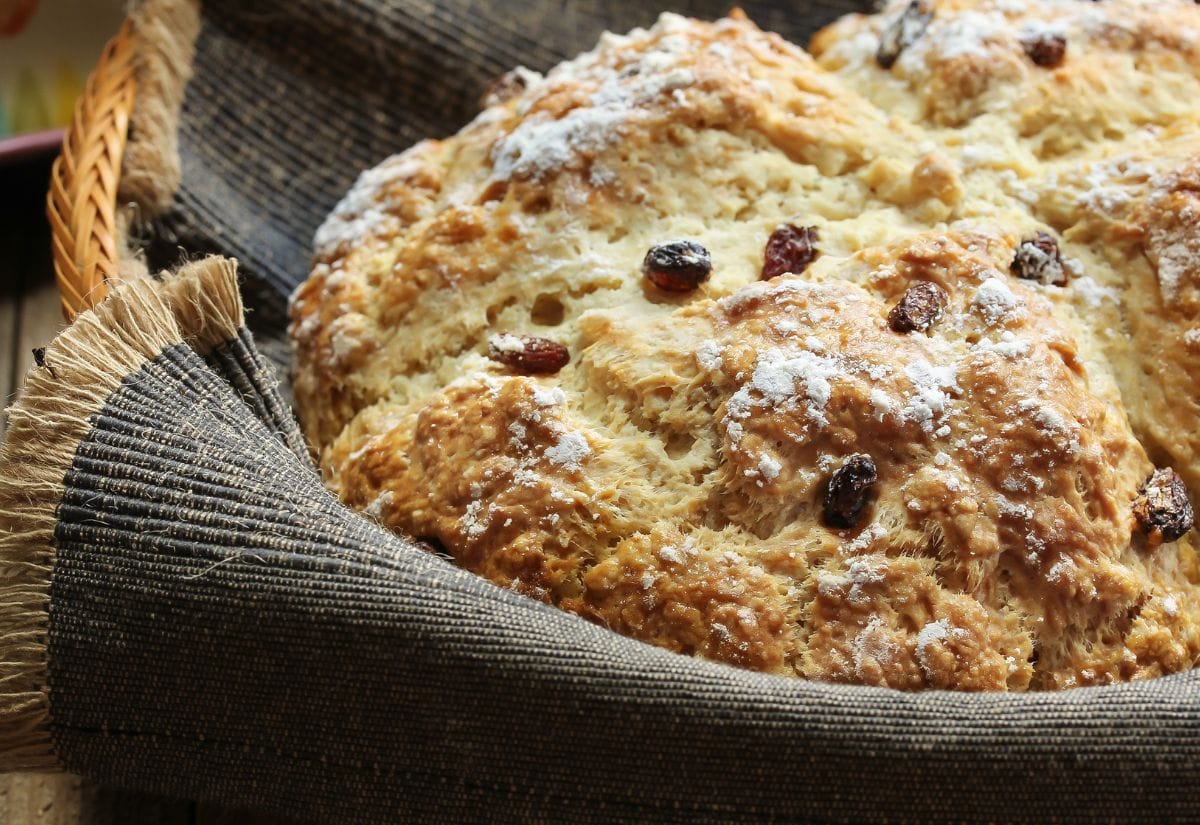
How to Make Irish Soda Bread
Making Irish soda bread is simple and requires minimal equipment. Here are the essential tools:
- Mixing Bowl – For combining dry and wet ingredients.
- Wooden Spoon or Dough Scraper – Helps mix the dough without overworking it.
- Baking Sheet or Cast Iron Skillet – A baking sheet works fine, but a cast iron skillet helps create a crisp crust.
- Sharp Knife – To score the traditional cross on top before baking.
- Wire Rack – Allows the bread to cool evenly after baking.
Optional but helpful:
- Pastry Brush – If you want to brush the crust with buttermilk or melted butter for extra flavor.
- Bench Scraper – Useful for shaping and handling the sticky dough.
Key Ingredients & Substitutes
These are the simple ingredients that make soda bread work.
- Flour – Traditional recipes use all-purpose flour, but you can substitute half with whole wheat flour for a heartier texture.
- Baking Soda – The essential leavening agent. If unavailable, use baking powder (double the amount) as an alternative.
- Salt – Enhances flavor. Can be swapped for a flavored salt like garlic or herb-infused for variation.
- Buttermilk – Activates the baking soda and gives a slight tang. Substitute with milk + lemon juice or vinegar (1 tablespoon per cup of milk).
Making Irish Soda Bread Step-by-Step
Once your ingredients are ready, the dough comes together in just a few minutes.
Preheat and Prepare
Begin by preheating your oven to 425°F (220°C). This high initial temperature helps create a crisp crust while allowing the inside to bake evenly. While the oven heats, prepare your baking surface by either lining a baking sheet with parchment paper or lightly greasing a cast iron skillet. A cast iron skillet is ideal if you prefer a rustic, golden crust, but a standard baking sheet works just as well.
Mix the Dry Ingredients
In a large mixing bowl, whisk together the flour, baking soda, and salt. This ensures that the baking soda is evenly distributed, preventing any bitter pockets in the finished loaf. If you’re using whole wheat flour for a denser, more traditional soda bread, be sure to mix it well with all-purpose flour to maintain a balanced texture.
Incorporate the Buttermilk
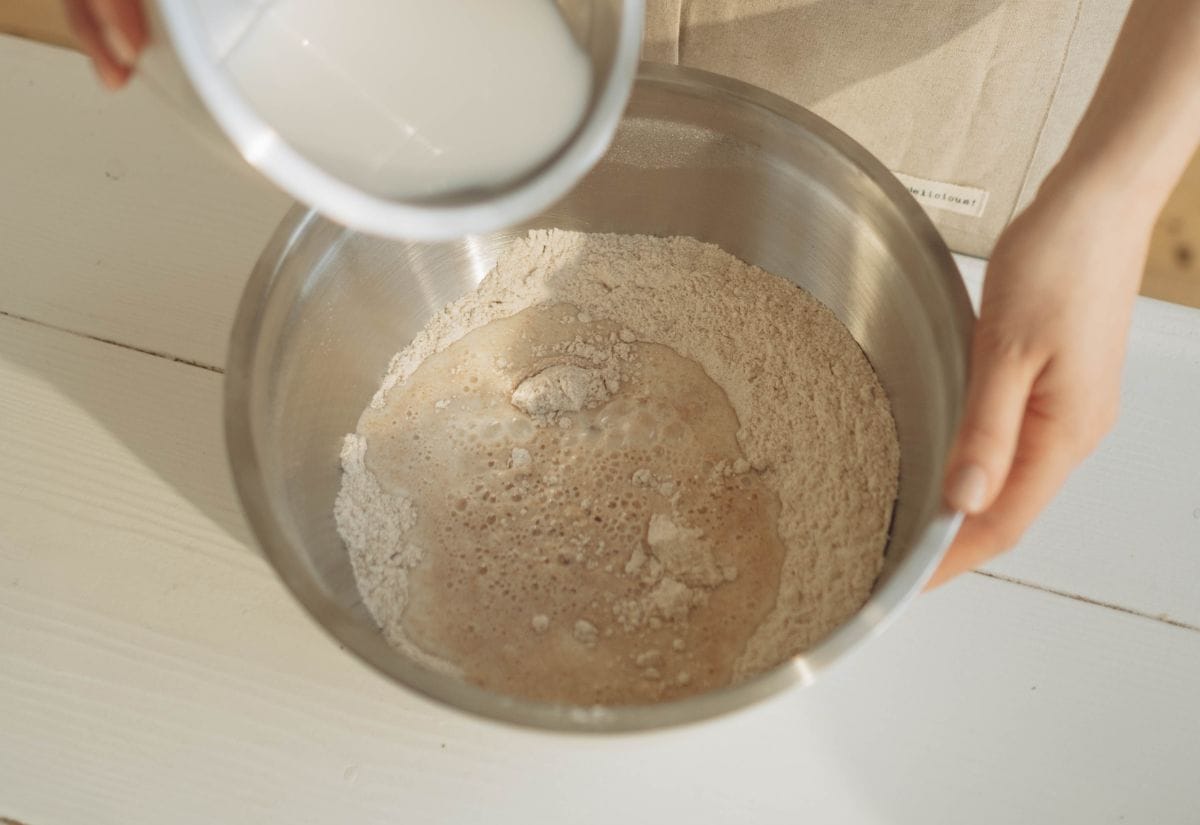
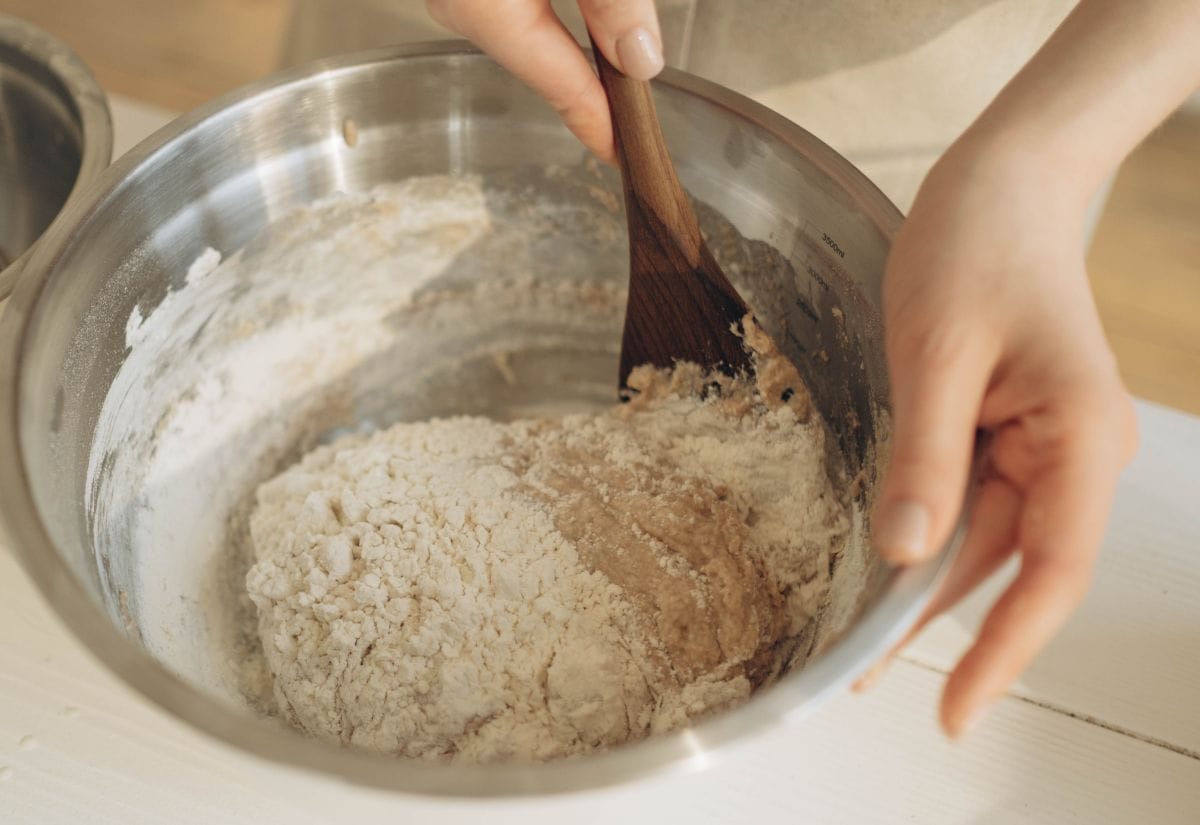
Slowly pour in the buttermilk while stirring the mixture with a wooden spoon or your hands. Don’t expect a smooth dough like yeast bread. Soda bread dough should look shaggy and a little sticky when first mixed. If the dough feels too dry and crumbly, add a splash more buttermilk. If it’s too sticky, lightly dust it with a bit more flour. Mix just until the dough comes together. Try not to overmix or the loaf can turn out tough. If you want to add raisins, currants, or herbs, fold them into the dough at this stage before shaping the loaf.
Shape the Dough
Turn the dough onto a lightly floured surface and gently shape it into a round loaf about 6–7 inches across. Overworking the dough will develop too much gluten, making the bread chewy rather than soft. The less you handle it, the better the texture will be.
Score the Cross
Transfer the dough to your prepared baking sheet or skillet. Using a sharp knife, cut a deep cross into the top of the loaf. This step is more than just decorative. It allows heat to penetrate the center of the bread, ensuring even baking. In Irish tradition, scoring the cross was also believed to let the fairies escape and bring good luck to the household! It also helps heat reach the center of the dough so the bread bakes evenly. Cut about ½–¾ inch deep for the best results.
Bake to Perfection
Place the bread in the oven and bake at 425°F for 15 minutes. Then, reduce the oven temperature to 400°F (200°C) and continue baking for another 25-30 minutes. This gradual temperature change helps create a crisp, golden crust without overbaking the inside. Carefully turn the loaf over and tap the bottom with your knuckles. If it sounds hollow, the bread is finished baking. If you’re unsure, insert a skewer into the center. It should come out clean.
Cool and Serve
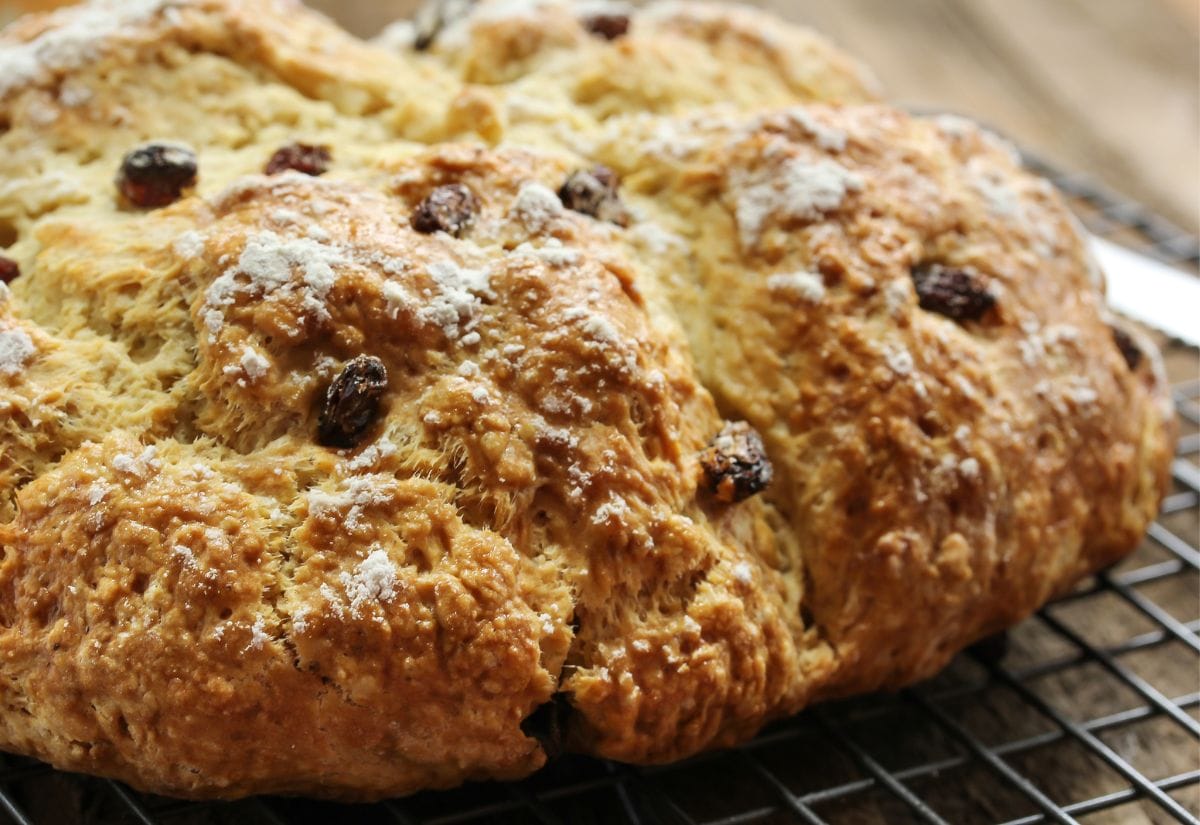
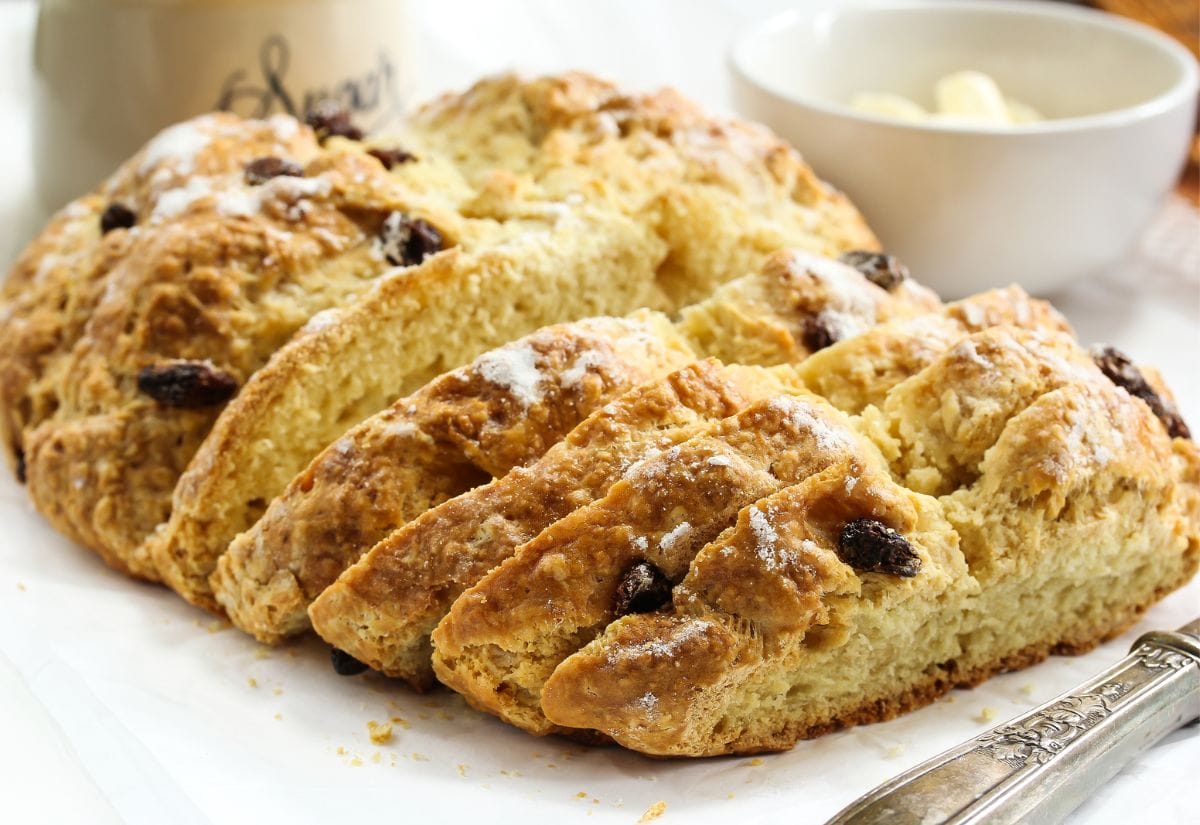
Once baked, transfer the bread to a wire rack and allow it to cool for at least 15 minutes before slicing. It’s tempting to cut right in, but letting it sit makes slicing easier. Serve warm with butter and honey, or alongside soups like potato leek, beef stew, or creamy vegetable soup.
If you want an extra rustic touch, brush the crust with melted butter while it’s still warm for added flavor and softness.
Recipe Variations & What to Serve It With
While traditional soda bread is very simple, there are a few easy ways to change things up.
Variations
Here are a few simple ways to change the flavor or texture of the bread.
- Brown Soda Bread: Use half whole wheat flour for a denser, nuttier loaf.
- Sweet Irish Soda Bread: Add ¼ cup sugar and mix in ½ cup raisins or currants.
- Cheesy Herb Soda Bread: Stir in ½ cup shredded cheddar and a teaspoon of dried rosemary.
- Seeded Soda Bread: Sprinkle caraway or sesame seeds on top for added texture and flavor.
Alternatives
If you prefer a slightly sweeter version, add a tablespoon of sugar or a handful of raisins for a traditional Irish-American twist. For a heartier, more rustic flavor, substitute half of the all-purpose flour with whole wheat flour, but keep in mind that this will create a denser texture. Those looking to experiment can try adding herbs like rosemary or thyme for a savory version that pairs beautifully with soups and stews.
Serving Ideas
Soda bread fits into just about any meal.
- Classic: Serve warm with butter and honey.
- Savory: Pair with Irish stew, soups, or corned beef.
- Breakfast: Toast slices and spread with jam or clotted cream.
- Snack: Enjoy it with a sharp cheddar cheese and a drizzle of honey.
How to Store & Reheat Irish Soda Bread
Wrap the loaf tightly in plastic wrap or store it in an airtight container to prevent it from drying out. If you plan to enjoy it within a day or two, keeping it at room temperature is fine, but for longer storage, refrigerating it will help extend its shelf life up to a week. For even longer storage, wrap the loaf in plastic wrap followed by aluminum foil and freeze it for up to three months.
For a whole frozen loaf, let it thaw at room temperature before warming in a 300°F oven for 10–15 minutes. Individual slices can go straight from the freezer into the toaster.
Your Irish Soda Bread Questions, Answered
Here are a few common questions people have when making Irish soda bread.
Pin this authentic Irish soda bread recipe so you can come back and bake a loaf whenever the craving for fresh bread hits
This is one of the easiest breads to bake from scratch. There’s no yeast and only a few ingredients, which makes it a good bread to start with. Whether you enjoy it plain, sweet, or savory, this bread is sure to become a staple in your kitchen.
If you enjoy baking bread, there are plenty of other loaves worth trying too. For a classic, soft loaf perfect for sandwiches, try making a traditional white bread that bakes up fluffy and golden. If you’re looking for something heartier, potato bread is incredible with soups and stews. If bread baking is something you want to get better at, these tips are worth reading.
And if you want to go all the way with it, homemade butter is hard to beat.
Have you tried making Irish soda bread before? Let me know in the comments how you like to serve it or if you have a favorite variation!

Traditional Irish Soda Bread
This post may contain paid links. If you make a purchase using the links in this recipe, I may earn a commission.
Equipment
- Large Mixing Bowl
- Wooden Spoon
- Baking Sheet or dutch oven or cast iron skillet
- Wire Rack
Ingredients
- 4 cups All-Purpose Flour
- 1 teaspoon Baking Soda
- 1 teaspoon Salt
- 1 ¾ cups Buttermilk
Instructions
- Preheat your oven to 425°F (220°C). Line a baking sheet with parchment paper or lightly grease a cast iron skillet.
- In a large mixing bowl, whisk together the flour, baking soda, and salt.4 cups All-Purpose Flour, 1 teaspoon Baking Soda, 1 teaspoon Salt
- Gradually add the buttermilk, stirring until the dough comes together. It will look rough and a little sticky.1 ¾ cups Buttermilk
- Turn the dough onto a lightly floured surface and shape it into a round loaf. Don’t overwork it.
- Place the dough on the prepared baking sheet. Using a sharp knife, cut a deep cross into the top.
- Bake for 15 minutes at 425°F. Reduce the oven to 400°F and bake another 25–30 minutes, until the loaf is golden and sounds hollow when tapped.
- Transfer the bread to a wire rack and let it cool for at least 15 minutes before slicing.
Notes
- Store cooled soda bread wrapped well or in an airtight container at room temperature for up to 3 days.
- To refresh the bread, warm it in a 300°F oven for 10 minutes or toast individual slices for a crisp texture.