
Surviving Mud Season in Maine Without Losing Your Mind
Mud season in Maine is messy, unpredictable, and chaotic. Here’s when it starts, when it ends, and the real-life tips I use to get through it.
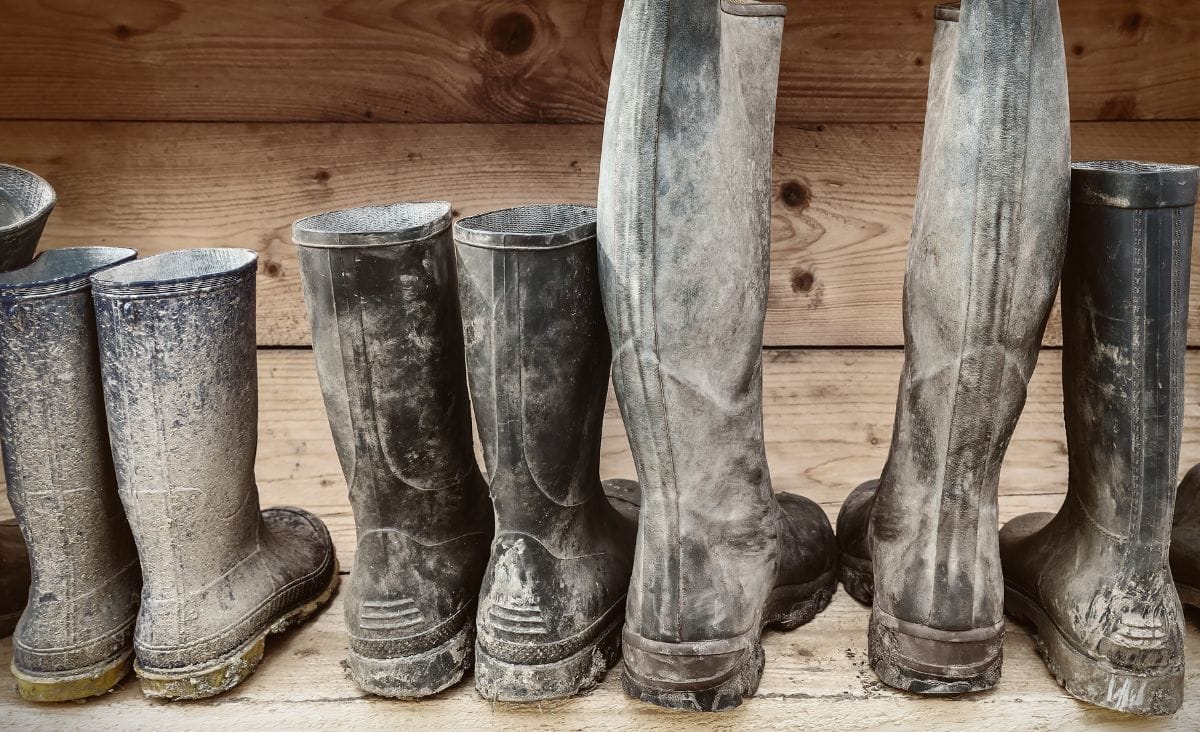
If you’ve lived in Maine long enough, you know we don’t just get winter and spring. We get that awkward, slurpy in-between stage that’ll swallow a boot whole and make a grown adult rethink every life decision: Mud Season.
Every year, just when the sun feels warm enough to tease us, the ground thaws in the least helpful way imaginable. The top turns to soup. The bottom stays frozen. And suddenly your driveway, pasture, and the chicken run turns into a swamp overnight. I’ve lived through more Maine springs than I can count, and honestly, it still catches me off guard how fast everything goes from packed snow to ankle-deep sludge.
But if you’re new to Maine, here’s what you’re in for and how I get through it on the homestead.
What Mud Season Really Is (And Why It’s Worse Here)
Mud season happens when the ground thaws unevenly. The surface melts first, trapping water on top of frozen soil. That trapped water has nowhere to drain, so it sits there and churns into muck with every step, tire track, or chicken foot scratching through it.
We’ve got the prime conditions for truly awful mud: long winters, heavy snowpack, slow thaws, hard clay pockets, dirt roads, and wide-open rural spaces. Where I live, you can practically chart the thaw line by which part of the driveway disappears first.
The worst part is that it doesn’t happen all at once. One day you’re walking on firm ground and suddenly you’re sinking in a spot that was fine yesterday.
When Mud Season Starts in Maine
Mud season usually kicks off sometime in mid to late March, depending on the year. You’ll know it’s coming when:
- Snowbanks turn that depressing late-winter gray.
- Frost heaves make the ride into town feel like a test of faith.
- The dog comes back from a “quick pee” somehow dirtier than before.
Honestly, I start mentally preparing the minute the temps rise above freezing for more than two days in a row.
When Mud Season Ends in Maine
Most years, things dry out by mid to late May once the deeper ground layer finally thaws and the spring winds get to work. Maine towns usually lift road weight restrictions around this time, which is a good sign that the worst of it is over.
Some spots on my property (especially the shaded areas near the woods) stay soggy longer. There’s always that one corner of the goat yard that isn’t right until June no matter what I do.
Once the mud finally dries, I’m usually scrambling to get the first seeds in, which is its own adventure in a northern climate. If you’re trying to time things right after a long, soggy spring, you’ll get a lot out of these cold climate gardening tips for Maine’s short growing season.
Why Mud Season Makes Daily Life… Interesting
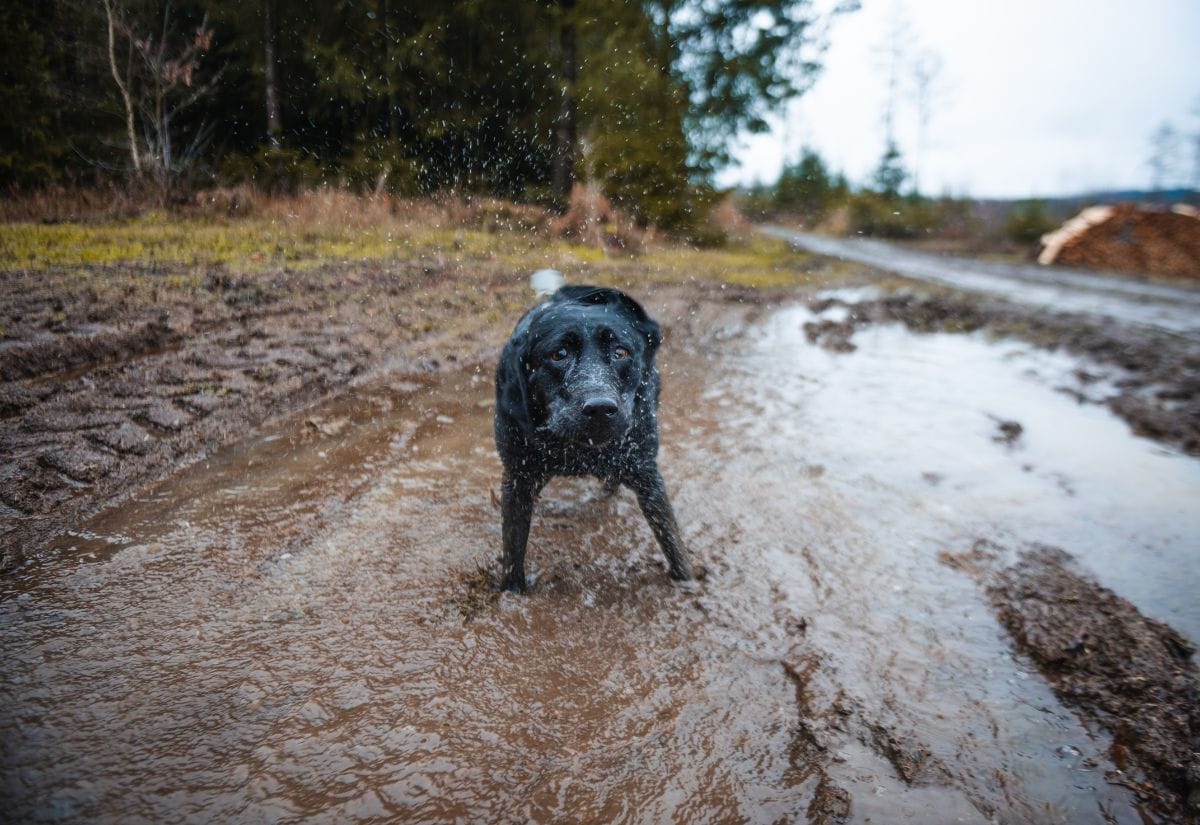
If you’ve never lived on a dirt road through a Maine spring, let me paint a picture for you. You can be driving along perfectly fine and then hit one stretch that sucks you in and you’re stuck. Around the homestead, things get even more entertaining. The animals don’t care that the yard is a bog. The kids definitely don’t care. And the dogs? They love it.
Here’s how I get through it without losing my mind.
How I Keep My Driveway From Vanishing Every Spring
I’ve learned that the only thing worse than a muddy driveway is not preparing for a muddy driveway. You can’t stop Mud Season, but you can at least keep your driveway from turning into a crater.
Lay Down Gravel Before the Thaw: Crushed rock or ¾” gravel gives your driveway a base that helps keep the whole thing from sinking. Anything too fine will just sink into the mess.
Focus on Drainage: Water is the enemy here. Ditches along the edges help direct meltwater away instead of letting it pool in the driving path. If your driveway slopes toward the house, you’ll want to fix that fast. Otherwise the meltwater ends up exactly where you don’t want it (learned that the hard way).
Create Safe Walking Paths: There’s nothing quite like running late, stepping outside, and realizing you need snowshoes to get to your car. Wood chips, pine needles, or wood shavings give you traction where you need it.
If You Get Stuck, Don’t Floor It: Gunning the gas just digs the hole deeper. I gently rock the vehicle or slide a couple of boards under the tires. I keep a pair of old barn boots in the trunk for exactly this reason.
Keeping Animals Out of the Worst of It
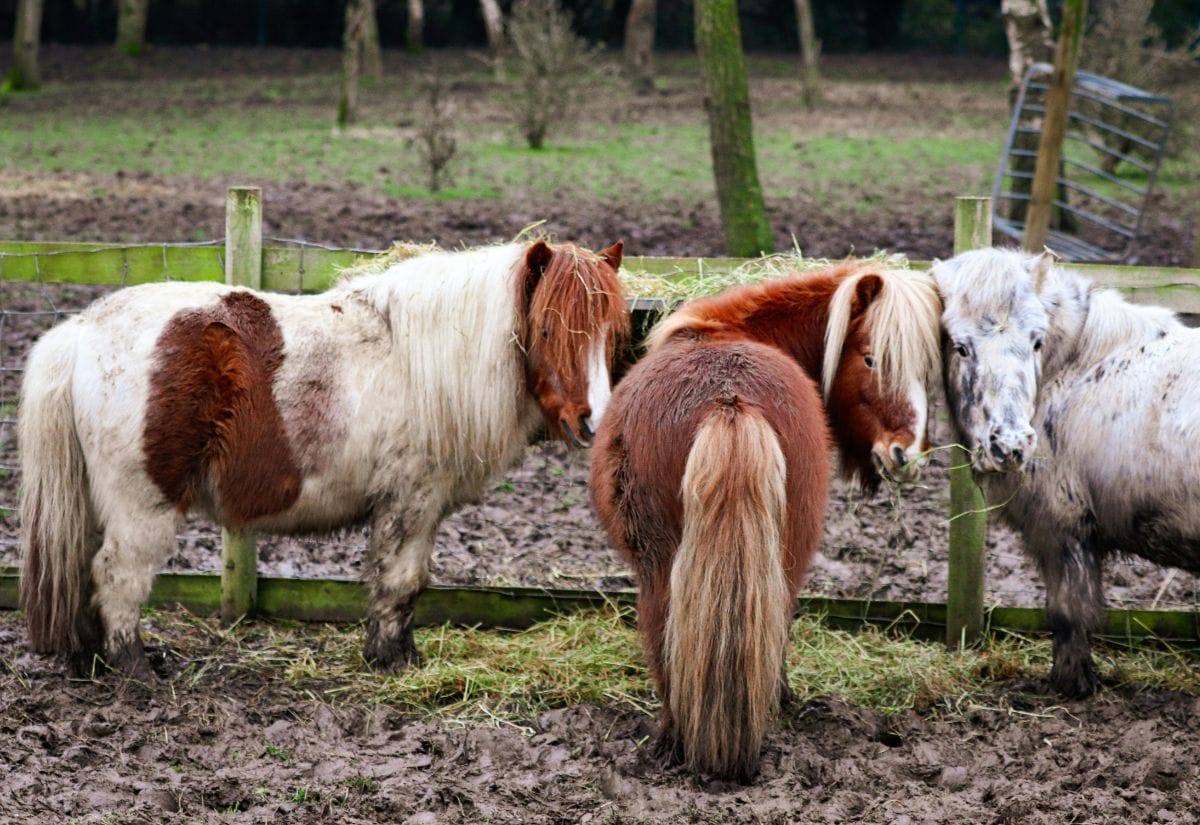
Livestock and sloppy ground are a terrible combination. Mud increases the risk of hoof problems, the kind of foot problems that get ugly fast, and just general misery. Over the years I’ve learned to outsmart the swampy spots as best I can.
Add Bedding Where They Walk Most: Straw, wood chips, sand, even old hay, anything that gives them even a slightly drier footing helps. If managing mud in the spring feels like a struggle, winter isn’t exactly easy either. If you’ve ever wondered how to keep chickens outdoors and active once the snow piles up, my guide on where to free range chickens in winter walks through what works here in Maine.
Shift Shelters and Fencing Early: Before the thaw hits, I move portable shelters to higher ground. Once the muck sets in, you’re not dragging anything anywhere.
Rotate Access if You Can: Even a temporary fence line can give a muddy area time to recover.
Preventing Mud From Taking Over Your Home
I’ll be honest with you: your house will get muddy. It’s unavoidable. But you can reduce the damage.
Have a Dedicated Mud Station: A stiff brush, a place to scrape boots, a bucket for rinsing… and a firm household rule about removing footwear. I keep a pile of towels by the door and just go through them one after another.
Use Heavy-Duty Floor Mats: The bigger the mat, the less tracking. I’ve tried cheap mats, and they disappeared into the mud like everything else. If you’re tired of flimsy mats that disappear into the mud, a good quality heavy-duty boot tray and mud-stopper mat (the diamond-pattern one works the best) makes a world of difference. I keep one inside and one outside the door so I’m not mopping nonstop.
Manage the Dog Situation: This is their season. They will find every puddle. I wipe paws at the door, but sometimes a quick rinse outside is unavoidable. On especially muddy weeks, I keep a stack of “sacrifice towels” ready. If you’ve got a dog that runs the same path every day, they’ll wear a trench into the yard in no time. A few things help:
- Letting those areas rest once things dry out
- Spreading wood chips along their regular path
- Temporarily redirecting their route with a low fence
- Filling low spots with coarse sand
Preparing for Next Year (Because You Know It’s Coming Back)
One thing about mud season: you get another chance every spring to do it better. What keeps me from losing my mind every spring is doing a few things in the fall, long before anything thaws. My fall checklist for how to prepare your homestead for winter includes drainage fixes, tool maintenance, and the little jobs that make spring far less chaotic.
I’ve learned that if I don’t take care of something in October, it’s going to bite me in April. Without fail.
Frequently Asked Questions About Mud Season
These are the questions people ask most often once they’ve survived a spring or two here.
Pin this now and keep these mud season tricks ready for when things start to thaw.
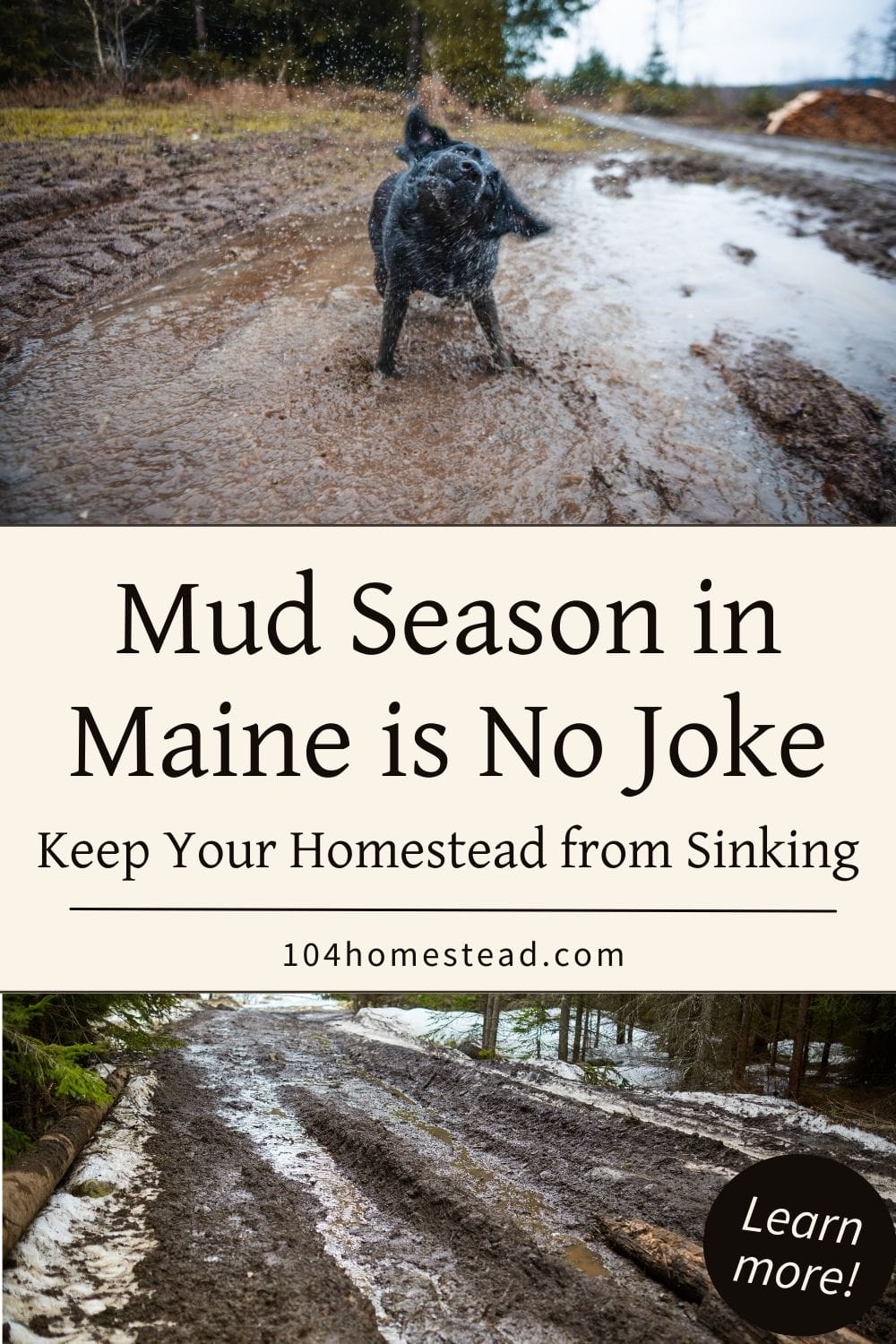
Mud season will test your patience, your laundry pile, and whatever little bit of post-winter good mood you’re hanging onto. With a little prep and the right mindset, you can get through it without sacrificing half your boots.
Spread some gravel, get ahead of the drainage issues, and keep a stack of old towels by the door. And when the dog barrels inside covered head to toe, just grab the towel and keep going. It’ll dry out soon enough… right about when the black flies show up.
If you’ve got your own mud season wisdom (or a disaster story you’ve learned from), I’d love to hear it.