Common Winter Sowing Mistakes I’ve Made (So You Don’t Have To)
Avoid common winter sowing mistakes that lead to stalled seedlings, rot, and timing issues. Practical fixes from a Maine gardener.
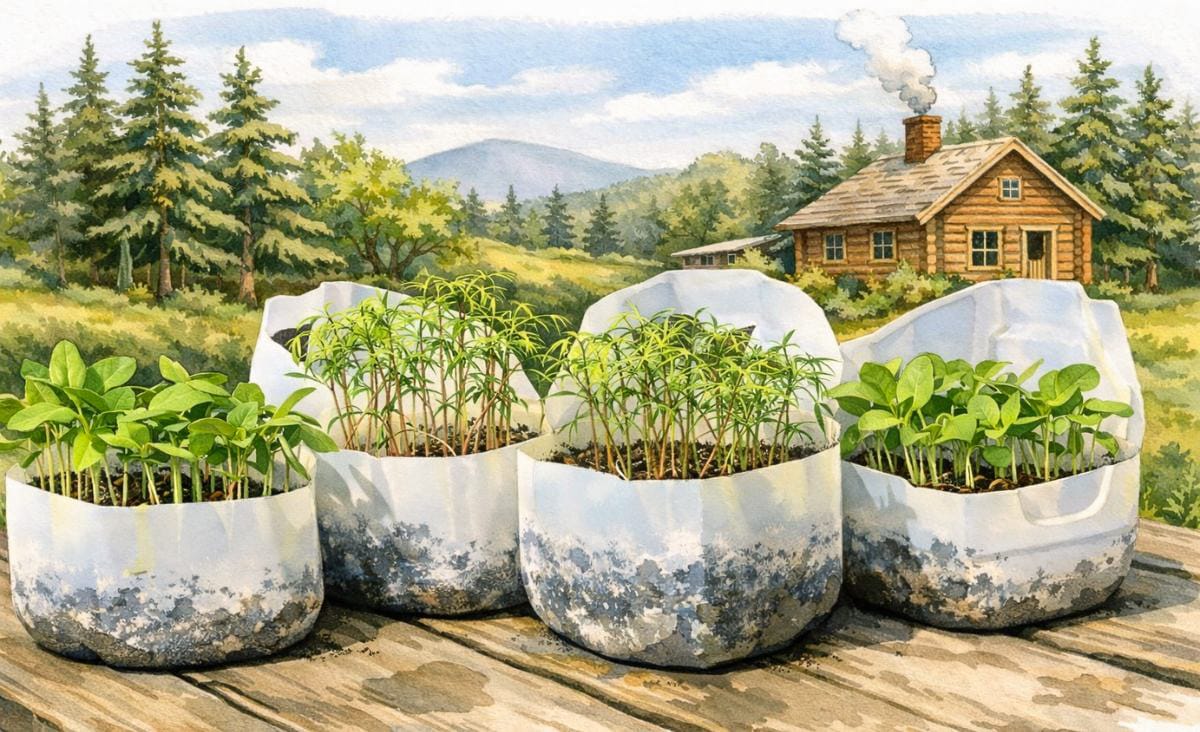
The first winter I lined milk jugs along the edge of the snowbank by our barn, I felt pretty clever.
I had read about winter sowing, cut my containers, filled them with soil, and tucked them outside in January. By March, some looked great. Others looked like soggy compost in a jug. That’s when I realized winter sowing is simple, but it isn’t mindless. Maine weather doesn’t exactly make this easy.
If you’re brand new to the method, start with what winter sowing is and how it works so we’re on the same page. This post assumes you already know the basics. Let’s get into the mistakes I’ve made.
Starting Too Early for Your Climate
This is the one I see most often. And yes, I’ve done it. The temptation to start in December when you’re staring at seed catalogs is real. I learned pretty quickly that earlier isn’t always smarter.
What “Too Early” Looks Like
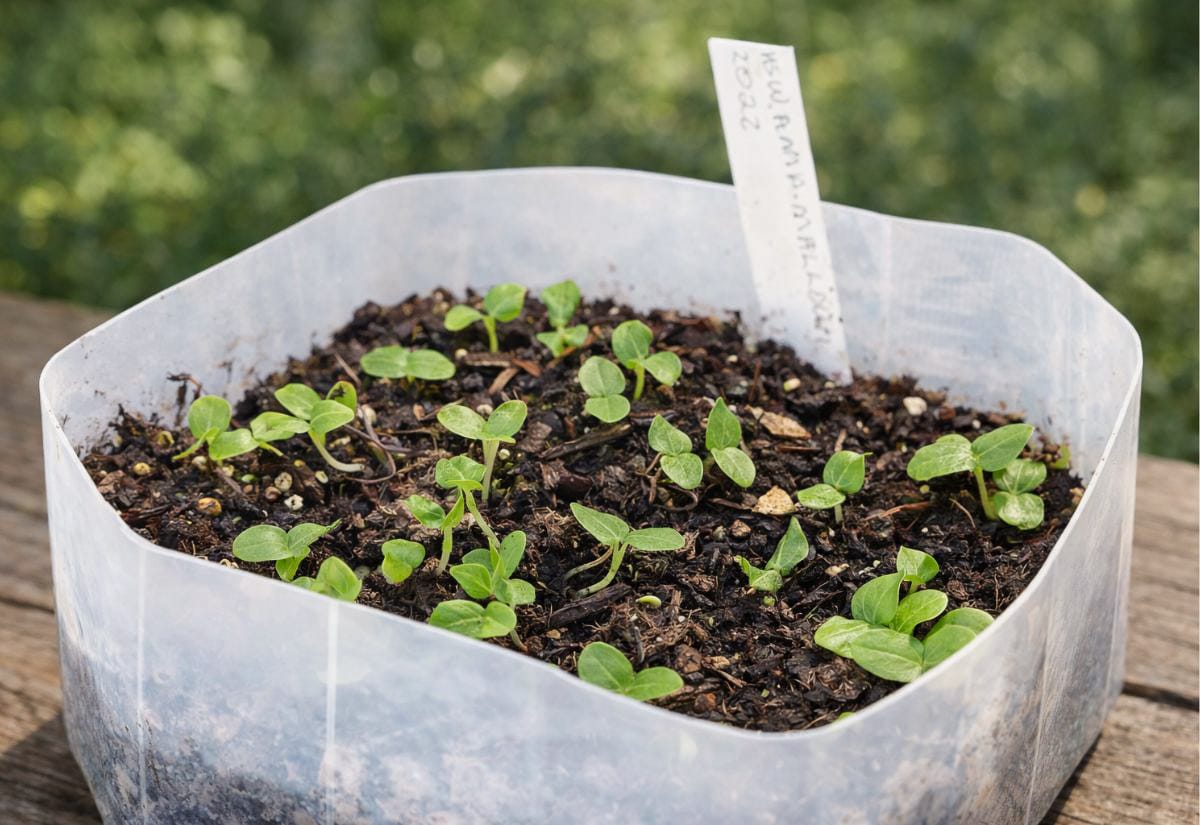
In Zone 5, starting tender crops in January can mean they sit in cold soil for weeks without enough warmth to germinate. In my yard, that usually means soil temps hovering in the 30s and low 40s for weeks at a time. Then you get one surprise 50 degree week in March, they sprout, and the next stretch of cold nights stalls them.
They’re not dead. They just kind of sit there. No new leaves. Shallow roots. Just stuck.
If you are unsure about timing in your area, revisit winter sowing timing by growing zone and compare your calendar to your soil reality. The soil doesn’t care how excited you are.
How to Adjust Without Giving Up
You don’t have to scrap the whole method. You just have to shift what you’re sowing. Hardy greens, many herbs, and perennials tolerate deep winter starts. Tender crops often do better when winter sown later, closer to when your soil begins to warm consistently. If you’re not planting out until late May, January peppers aren’t helping you.
If seeds are not sprouting and you are not sure why, it helps to understand what seeds need in order to germinate. Most of the time, it’s just the cold.
Too Much or Too Little Moisture
Winter sowing relies on snow and rain to water your containers. That works beautifully most years. But water is also where things go sideways.
Soggy Containers and Rot
One year we had heavy wet snow followed by a fast thaw. Water pooled in several of my containers because I had not drilled enough drainage holes. The soil stayed saturated for days. Seeds rotted before they ever had a chance.
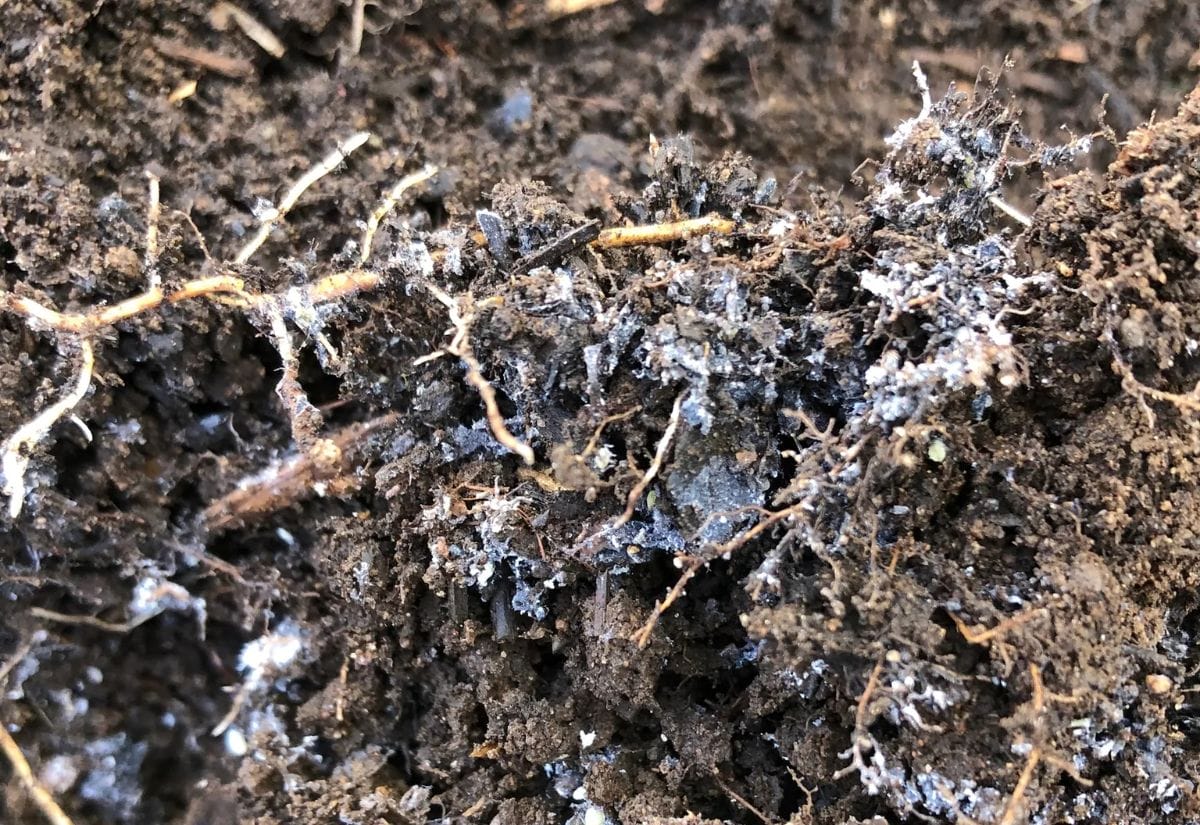
If you see mold forming or seedlings collapsing at the base, that is usually a moisture and airflow issue. If it’s just fuzzy on top, that’s one thing. If the stems are pinched and falling over, that’s another. I walk through what to do when mold shows up on seedlings in more detail, because sometimes it is salvageable.
I went back out with the drill and added holes. Bottom holes aren’t enough. Add a few higher up. Problem solved. Move containers to a spot where they dry a bit between storms.
Dry and Crumbly Soil
The opposite can happen too, especially if your containers are in a windy area or under an overhang. If it looks dusty and shrinks from the sides, it’s too dry. I just dribble water around the edge and let it soak in. No need to flood it.
Poor Container Setup
Winter sowing is low tech, but setup still matters.
Not Enough Drainage or Ventilation
Milk jugs work great, but only if you poke enough holes in them. Drainage holes in the bottom and small ventilation openings near the top help regulate moisture and airflow. They heat up fast in the sun and then get slammed when it freezes that night. Even on a 40 degree day, clear plastic in full sun can heat the inside of a jug far higher than the air temperature. That fluctuation can damage seedlings.
I peek at mine mid-winter. If they stay fogged up for days, I add more holes.
Placing Containers in the Wrong Spot
I learned this one the hard way when a few jugs were tucked too close to the house. The siding reflected heat and they warmed faster than the others. Those seedlings sprouted earlier and then stalled when night temperatures dropped again.
Place your containers in an open area where they get natural sun and weather, not reflected heat from buildings. Avoid rooflines where meltwater can pour directly into them during a thaw. I’d rather walk a few extra steps than deal with uneven sprouting.
Mishandling Seedlings in Spring
By the time spring arrives, it is tempting to pop lids off and call it good. Slow down.
Opening Lids Too Quickly
Even winter-sown seedlings benefit from gradual exposure. If you remove lids completely on the first warm day, tender growth can scorch or wilt. Instead, start by removing caps or cracking lids during the day. I usually begin once daytime temperatures are consistently above 50°F. Build exposure over a week or two.
If you are not sure how to manage that transition, here is how to harden off seedlings properly so you are not undoing months of patience.
Transplanting Before Soil Is Ready
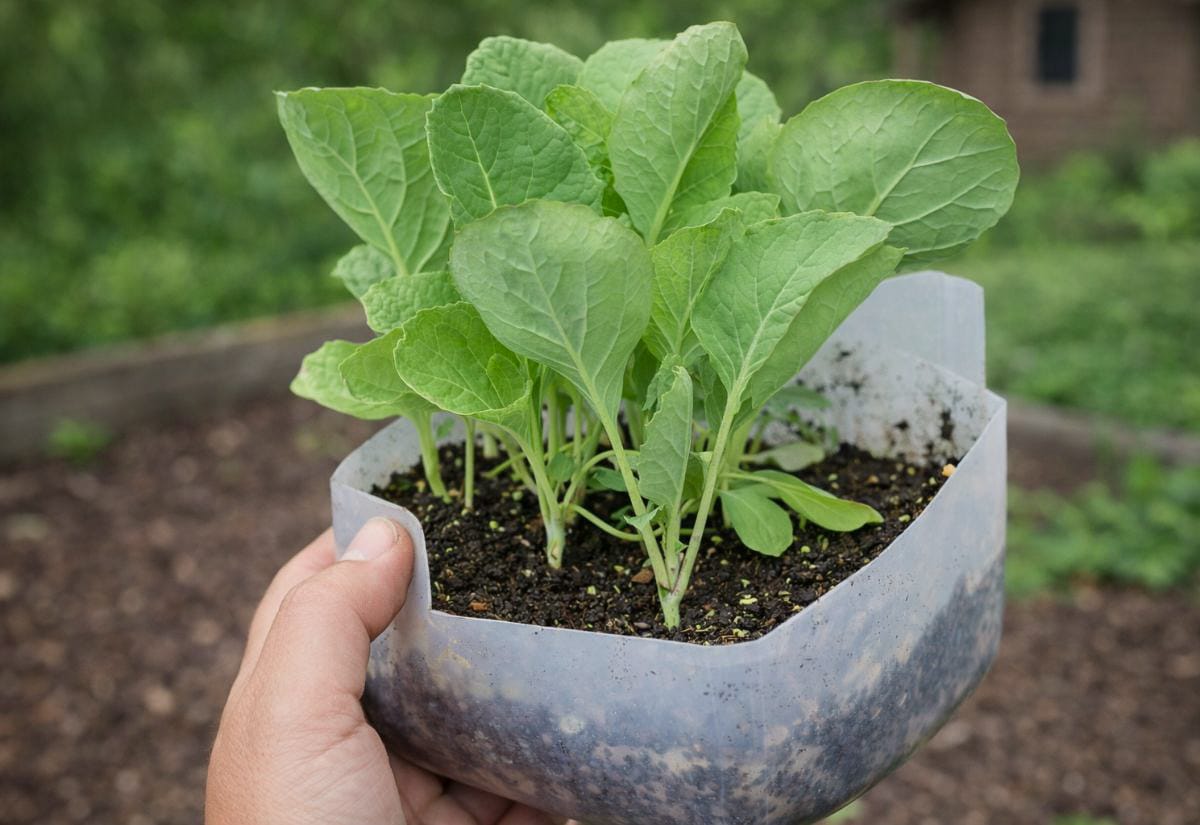
Leaves popping up doesn’t mean it’s time to plant them out. In Maine, I have seen April sunshine fool me into thinking it is go time. Then the soil temperature tells a different story.
This is where understanding gardening in a short northern growing season helps. Maine spring takes its time. Most vegetables prefer soil temperatures above 50 to 60°F before transplanting. If the soil feels cold when you push your hand into it, it is probably too early.
When It Is Not a Mistake at All
Sometimes you did everything right. Seeds can take longer than expected. Cold snaps happen. Snow can insulate containers in a good way. If nothing is sprouting yet and you are still within your normal window, patience may be the answer.
The whole point is to let the season do the work. If you try to rush it, you undo the benefit.
Still Troubleshooting Your Winter Sowing Containers?
Here are a few questions that come up often.
Pin this so you can spot winter sowing mistakes early and save your seedlings next spring.
Winter sowing has taken a lot of the spring stress off my plate. But like anything on a homestead, it works best when you pay attention. The mistakes are usually little ones. Timing. Drainage. Moving too fast. You tweak it and move on.
If you have had a winter sowing flop, tell me what happened. I’ve probably made the same mistake.