
Back to Eden Gardening Myths That Won’t Die
Confused about Back to Eden gardening myths? Here’s what happens, what trips people up, and how to set realistic expectations so you’re not disappointed.
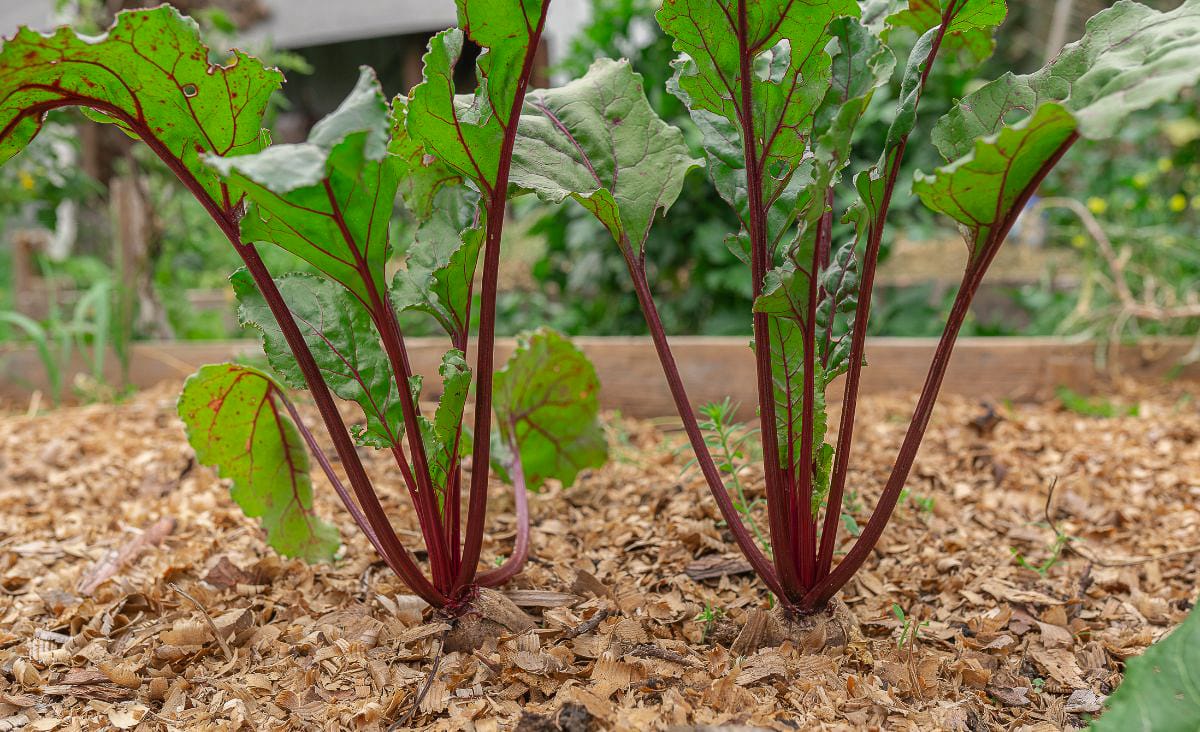
If I had a dollar for every time someone told me Back to Eden gardening “didn’t work,” I could probably pay someone else to spread my mulch. Most of the frustration comes from expecting it to work faster than it does.
I’ve been using Back to Eden long enough to see how it goes in real life. The awkward first year. The weird mushrooms. That moment where you think, “Well… this was a choice.” And eventually, you see why people stick with it. Better soil. Fewer weeds. Less watering. A garden that starts doing some of the work for you.
The problem is that a handful of myths just refuse to die. They get repeated online, passed around in Facebook groups, and whispered over garden fences. So let’s talk through what’s real and what isn’t. This post isn’t about defending Back to Eden at all costs. It’s about explaining what happens, what trips people up, and how to make this method work in real gardens with real limitations.
Myth: “Just throw wood chips down and it works immediately”
This is where most people decide it “didn’t work.”
Most photos you see online show mature Back to Eden gardens. What you don’t see is year one. Or sometimes year two. Especially if you’re starting with poor soil or raw wood chips. Fresh chips take time. The soil biology needs time to get going. The soil underneath has to wake back up. If you start with bare dirt and a thick layer of raw chips, things can look pretty stalled.
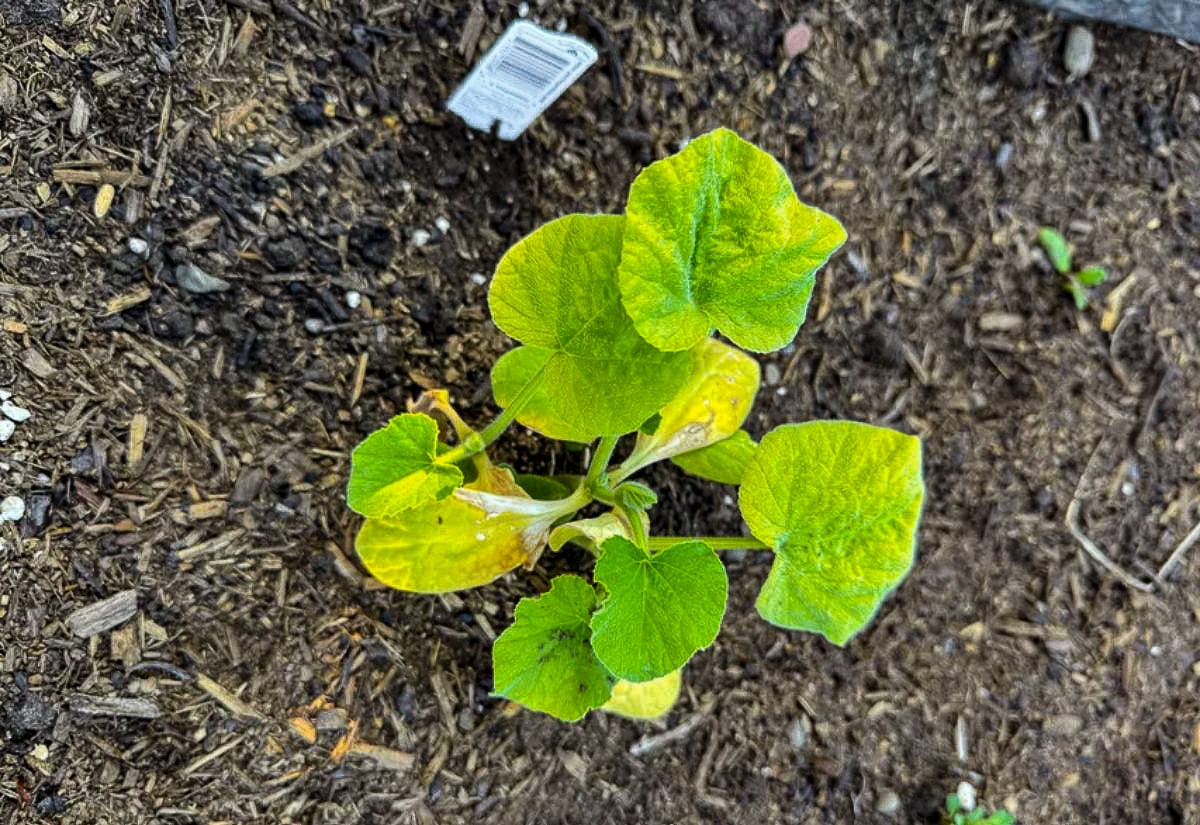
What helps is starting with some compost or finished manure under the chips so plants have something accessible while the chips break down. I’ve also found that pulling mulch back temporarily at planting time speeds things up, especially in cool spring soil.
And then there’s geography. In the South, aggressive grasses like Bermuda can push right through mulch if beds aren’t prepped well. That doesn’t mean Back to Eden doesn’t work there. It means the setup matters more.
This method isn’t fast. If you expect instant results, you’ll think it failed before it ever had a chance.
Myth: “Back to Eden gardening is zero work”
I’ll be honest, this myth always rubs me the wrong way. Back to Eden isn’t no work. It’s different work.
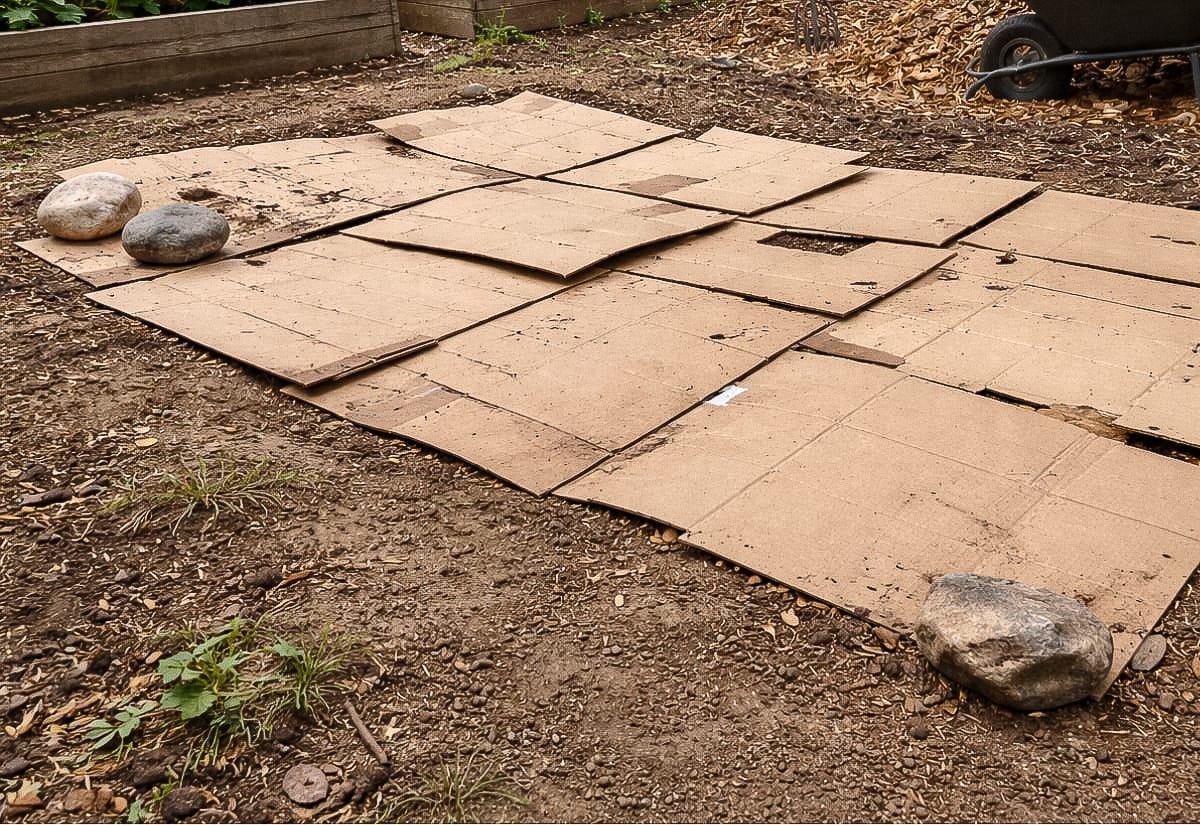
Sourcing wood chips takes effort. Spreading them takes effort. Bed prep takes effort. Sometimes a lot of it. Nature helps eventually, but not on day one. You do more work upfront so you do less later. Fewer weeds to pull. Less watering. Soil that improves instead of degrading.
If you go in expecting zero effort, you’ll be frustrated. If you go in expecting less effort later, you’ll be much happier.
Myth: “Wood chips steal nitrogen from your soil”
This is one of the most common concerns I hear. Yes, nitrogen tie-up is real. But context matters. When wood chips are mixed into soil, microbes can temporarily tie up nitrogen as they break the carbon down. When chips sit on top of the soil, the effect is mostly limited to the surface layer.
In practice, this means shallow-rooted seedlings can struggle early on, while deeper-rooted plants are often fine. A little compost or nitrogen early on can help things along. I go into much more detail in my post on how nitrogen binding works in a Back to Eden garden, including when it’s a real issue and when it’s mostly internet panic.
A simple soil test kit can also be useful here. Not for perfect numbers, just to confirm what’s going on.
Myth: “Any mulch is fine”
This is where you want to be careful. Not all mulch belongs in a vegetable garden. Treated lumber chips and railroad tie waste are a hard no. Unknown municipal mulch can carry persistent herbicides that damage plants for years.
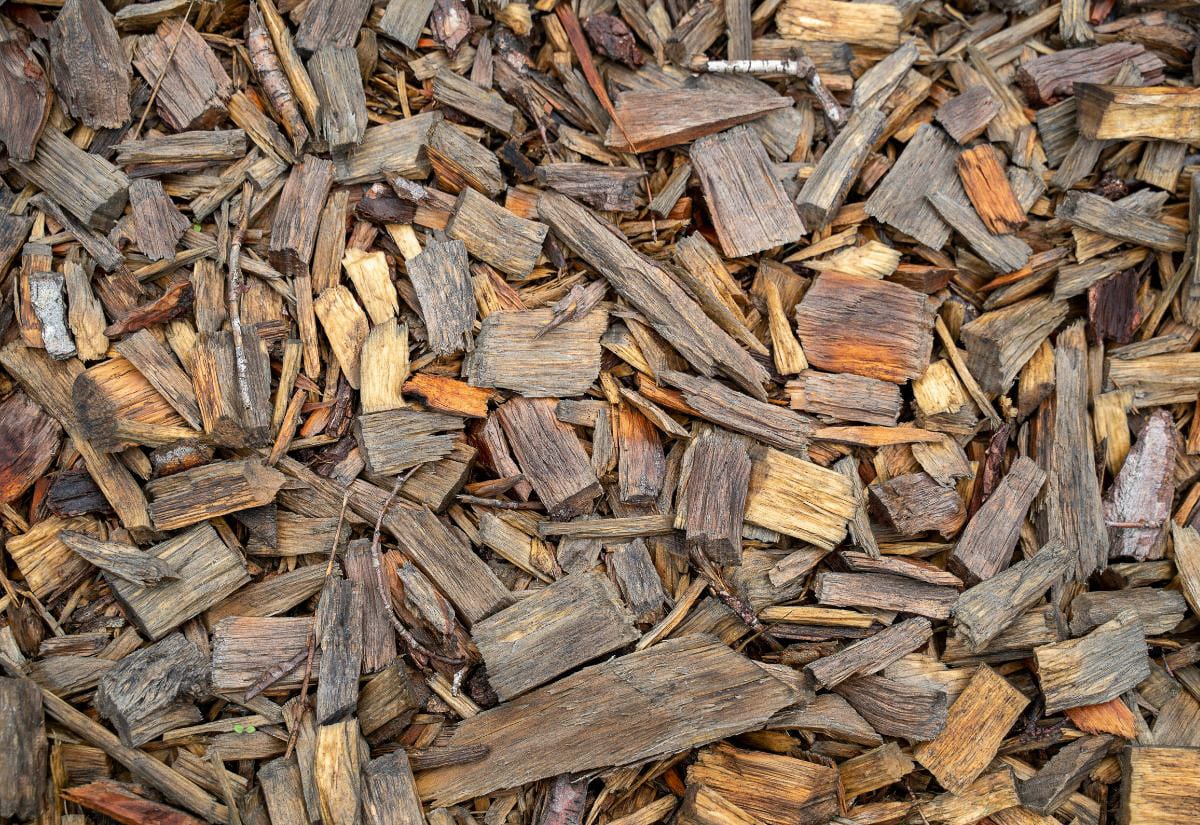
Some woods are debated. Cedar, for example, is often fine once aged but can be problematic when fresh and resin-heavy. Eucalyptus is more clear-cut. The oils can inhibit germination and plant growth, especially when used fresh.
When sourcing chips, I always ask what trees they came from and whether the material is untreated. If I’m unsure, I compost the chips first or test them in a small area before spreading widely.
Myth: “Mushrooms and fungi mean something is wrong”
If mushrooms show up in your wood chips, congratulations. That’s fungal activity doing exactly what it’s supposed to do.
Fungi are key players in breaking down woody material and building long-term soil structure. Their presence doesn’t mean disease or rot. It usually means decomposition is underway. Weeds can be similar. Early weed pressure often shows where mulch is thin or where perennial roots weren’t fully suppressed at the start.
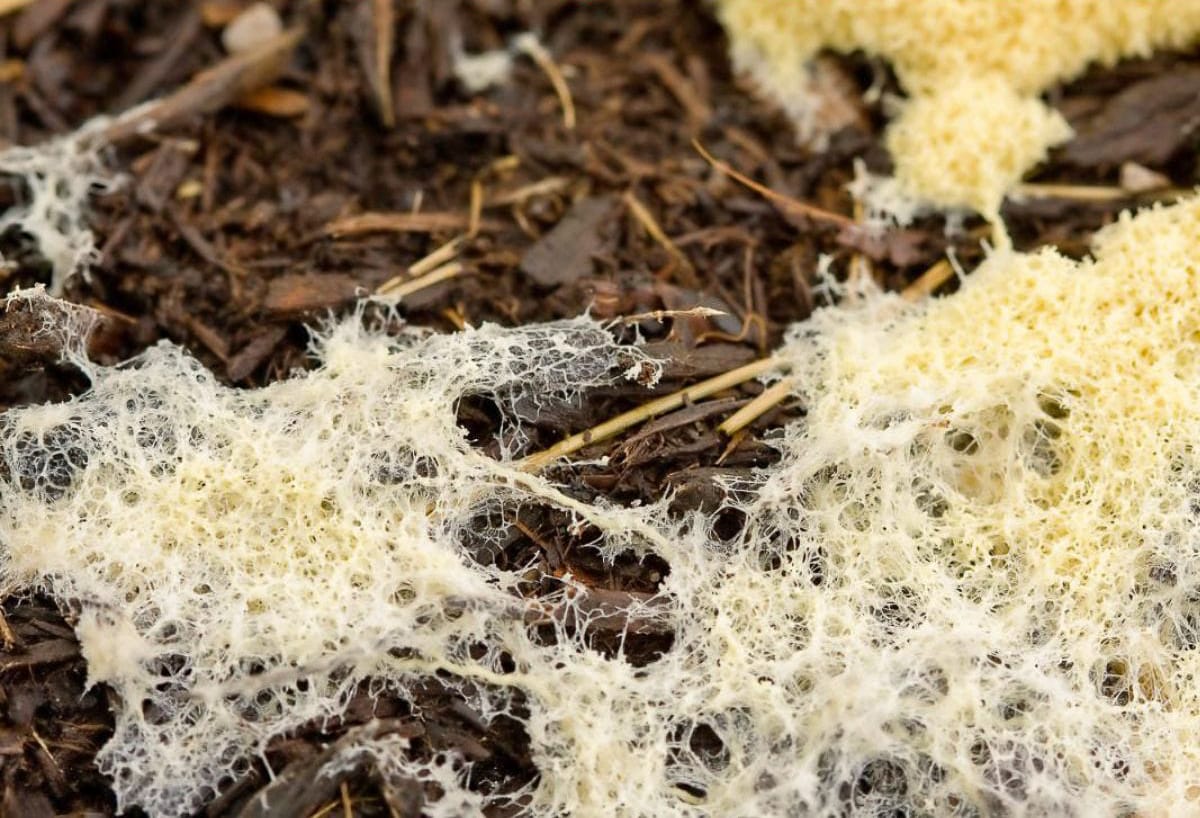
I’ve written more about what weeds and mushrooms tell you about your soil and how to tell normal stages from real problems. Most of the time, it’s nothing to worry about.
Myth: “Back to Eden only works in big gardens”
You don’t need acreage for this method to work. The principles translate well to raised beds and containers. The scale changes, but the biology doesn’t. Using compost, organic mulch, and minimal soil disturbance works just as well in smaller spaces when adjusted properly.
If you’re working with limited room, I’ve shared how I apply Back to Eden methods in containers and small-scale setups without turning it into a mess. This approach is flexible. It just doesn’t advertise that very well.
Still Wondering If Back to Eden Gardening Will Work for You?
These are some of the things people usually ask after digging into Back to Eden myths.
Pin this if you want an honest take on Back to Eden gardening before you haul in the wood chips.
Back to Eden gardening isn’t magic. It’s biology. And biology moves on its own timeline. When people say it doesn’t work, what they usually mean is that it didn’t match the version they imagined. When expectations match reality, this method can build soil in a way few others do.
If you’ve tried Back to Eden gardening, I’d love to hear what surprised you the most. Drop a comment and tell me what worked, what didn’t, or what you’re still figuring out.