Best Dogs for a Homestead + Which Ones to Avoid
Choosing the best dogs for a homestead starts with fit. Learn which breeds, mixes, and temperaments work best around livestock and daily life.
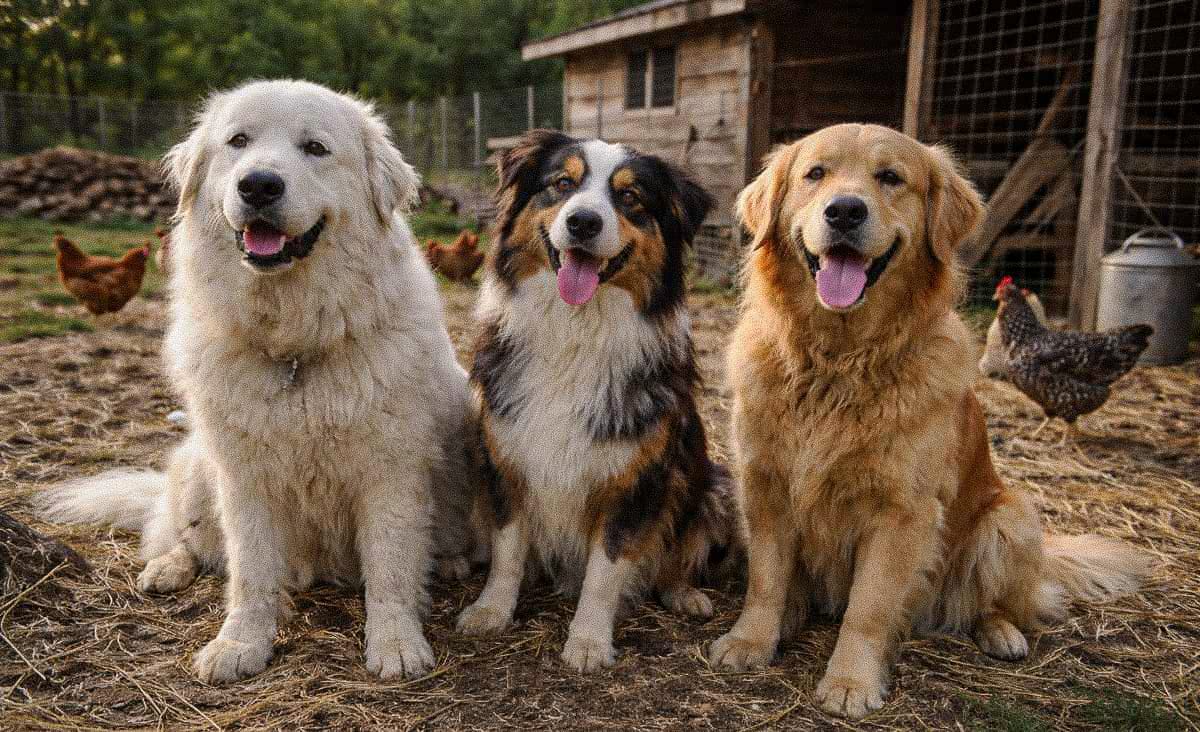
On a homestead, a dog usually ends up being a lot more than just a dog. At least that’s been true here. With Maine winters, mud season, and animals needing care every day, the wrong dog would wear on you fast. The right one makes life easier.
I’ve seen enough trial and error on homesteads to know people often pick a dog with their heart first and their setup second. I get it. Some breeds are beautiful. Some have a reputation for being smart or loyal or great with kids. But homestead life asks different things from a dog than suburban life does, and that matters more than a breed’s popularity.
If you’re trying to choose a homestead dog, it helps to be honest early about what your place looks like and what job you want that dog to do. This post will walk you through what makes a dog a good fit, which types of dogs tend to do well, which ones may struggle, and how to think about both purebreds and mixes without getting caught up in labels.
What Makes a Good Homestead Dog
A good homestead dog is not just about looks or personality. It has to make sense for your property, your daily rhythm, your family, and the animals already in the mix. A lot of bad matches start right there.
Guardian dogs tend to watch and protect. Herding dogs want direction and work. Hunting dogs may be great at what they were bred for and still be a bad idea around chickens. And some dogs were bred for a whole different kind of life altogether.
There’s nothing wrong with any of those traits. But not all of them work well once you add poultry, livestock, mud, noise, and the general messiness of homestead life.
Focus on Temperament First
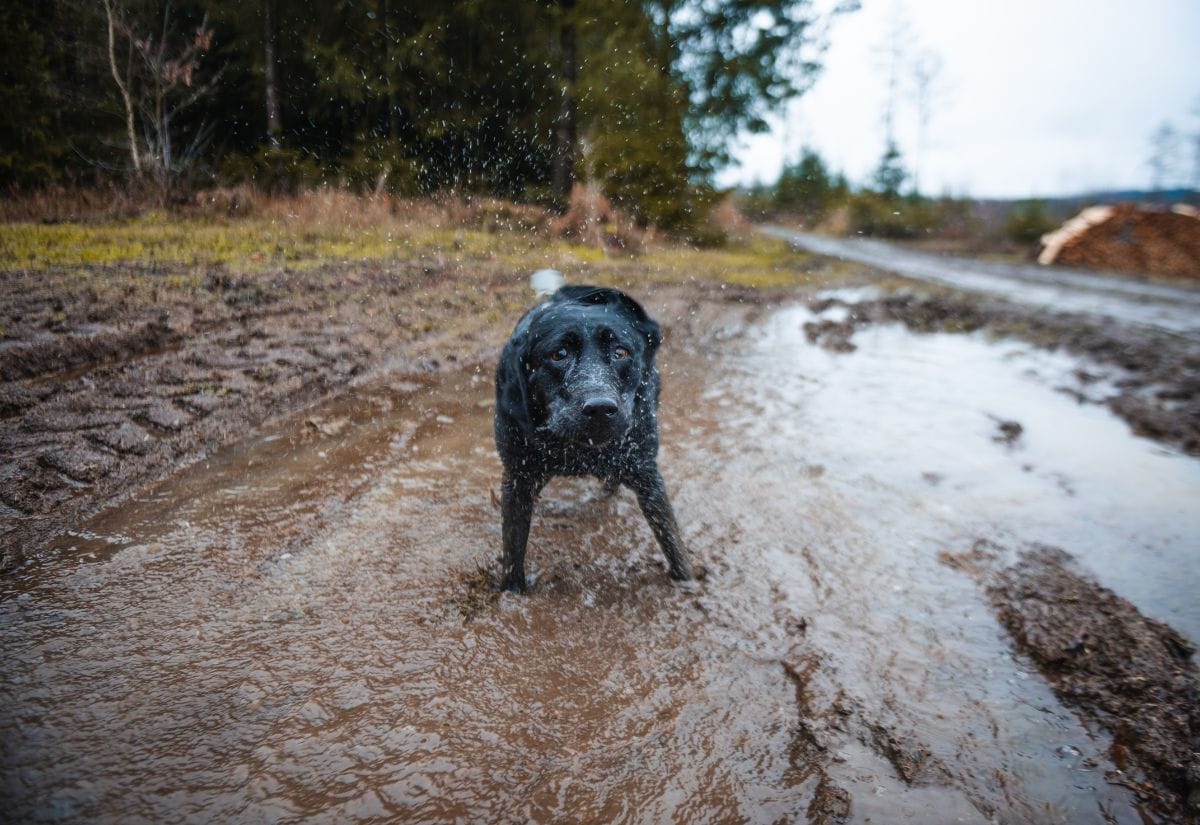
Breed traits matter. They do. But I would still take a stable, trainable, level-headed dog over one with an impressive breed profile and the wrong temperament for the job.
You want a dog that can watch the usual homestead commotion without getting worked up every time something moves. It should be able to settle when chores are quiet and stay calm when something unexpected happens. That is especially important if you keep poultry. Chickens flapping, ducks moving fast, quail darting, and goats bouncing around can light up every bad instinct in the wrong dog.
Match the Dog’s Energy to Your Life
This is where people start picturing the version they want. A hardworking dog outside all day, then calm and content at night. But a lot of those high-drive breeds need more than a few chores and some acreage.
A small homestead with a few chickens and a garden is not the same thing as a sprawling working ranch. If your dog will mostly be around the house, yard, and coop, you need to be realistic about that. A dog bred for intense work can become destructive, noisy, or neurotic when its life does not match its wiring.
Then you have predators to think about too. A dog can help, but it is only one piece of the picture. If poultry protection is one of your biggest concerns, it helps to also think through protecting chickens from predators with solid housing and fencing, not just breed choice.
Three Types of Homestead Dogs
Farm dogs get lumped into one big pile, and that is not very helpful. A livestock guardian dog, a herding dog, and a nice solid companion dog are not doing the same job.
Livestock Guardian Dogs
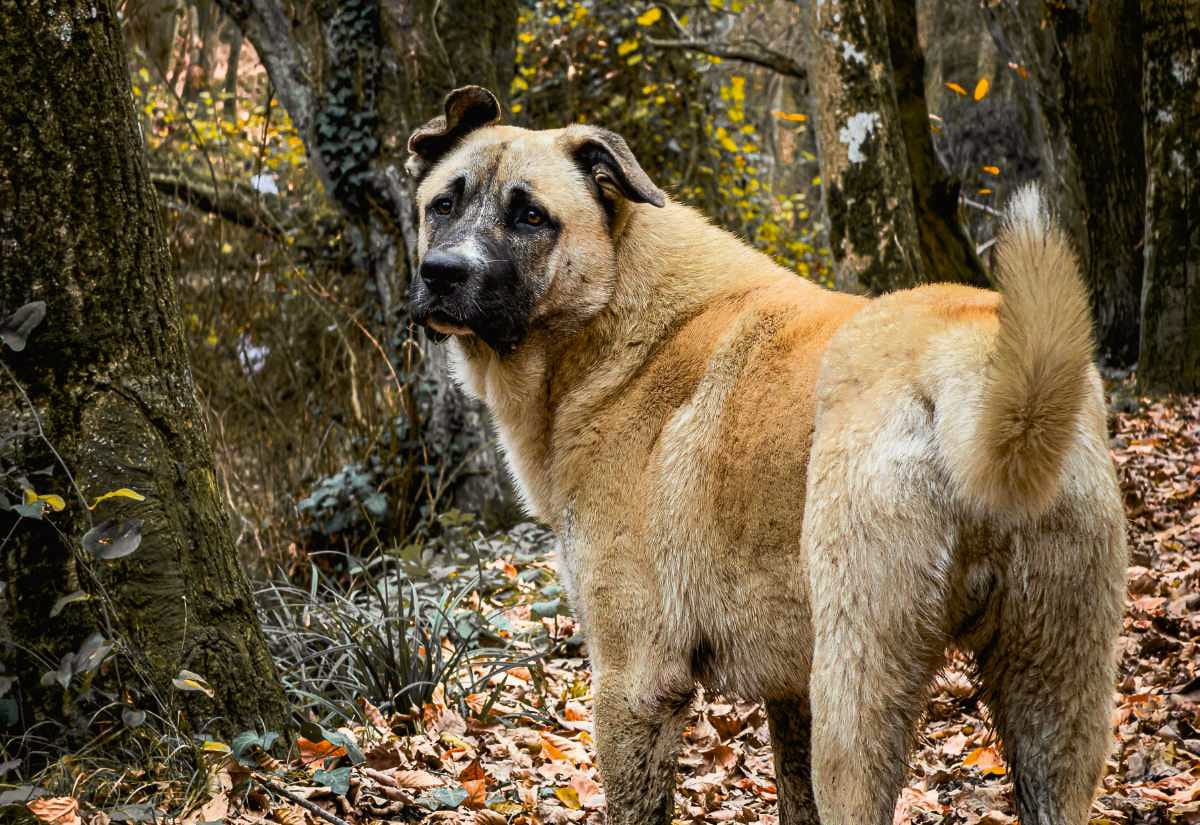
Livestock guardian dogs are bred to live with animals and protect them. Great Pyrenees, Anatolians, and Maremmas are usually the first breeds people mention. In the right setup, they can be a huge help. This is what they were made to do.
But I do not think they are the right answer for every homestead just because they look the part. They are often large, independent, loud, and very serious about their territory. On a small property, especially one with close neighbors, that can become a real problem.
Guardian dogs need clear boundaries, early exposure to livestock, and fencing that helps them learn where their territory ends. They also need time to mature and guidance from the people raising them. Without that structure, even a good guardian breed can develop roaming or nuisance barking problems.
If you are trying to sort out whether you need this type of dog at all, it is worth reading more about choosing the right livestock guardian animal before settling on a breed.
Herding and Working Dogs
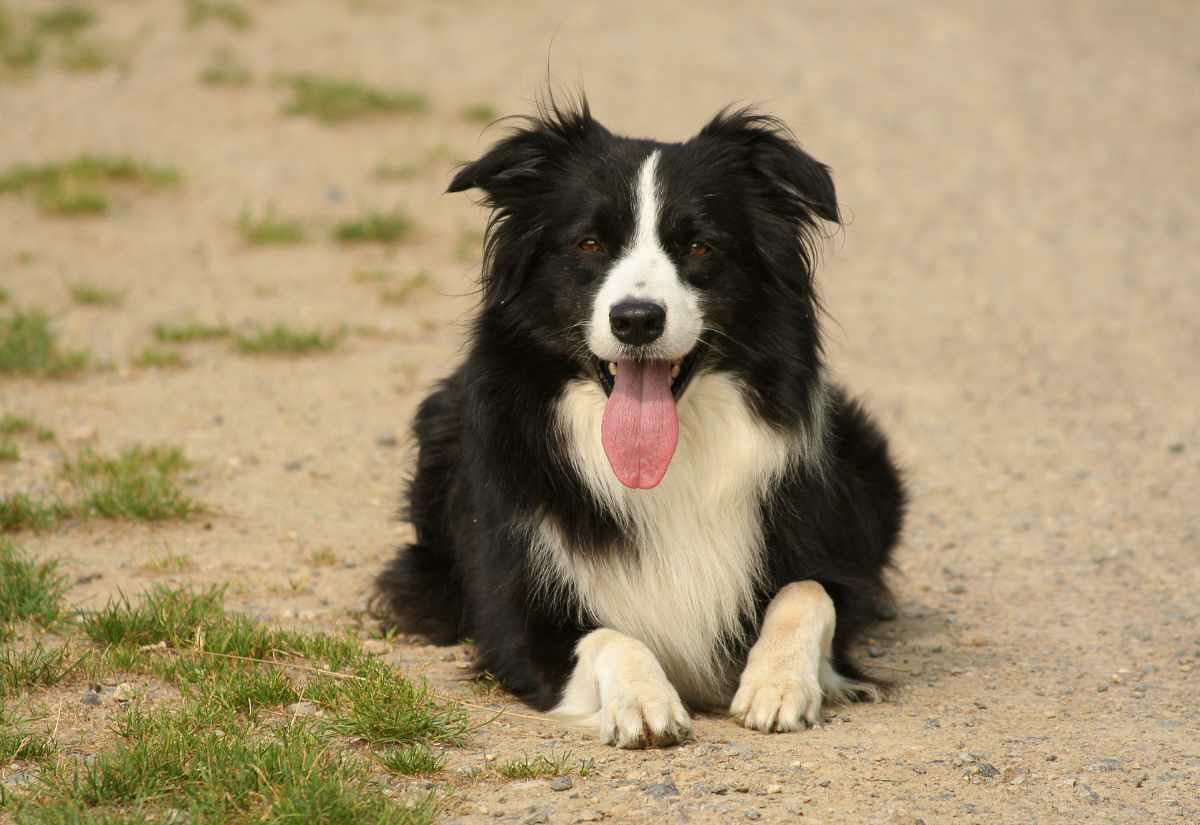
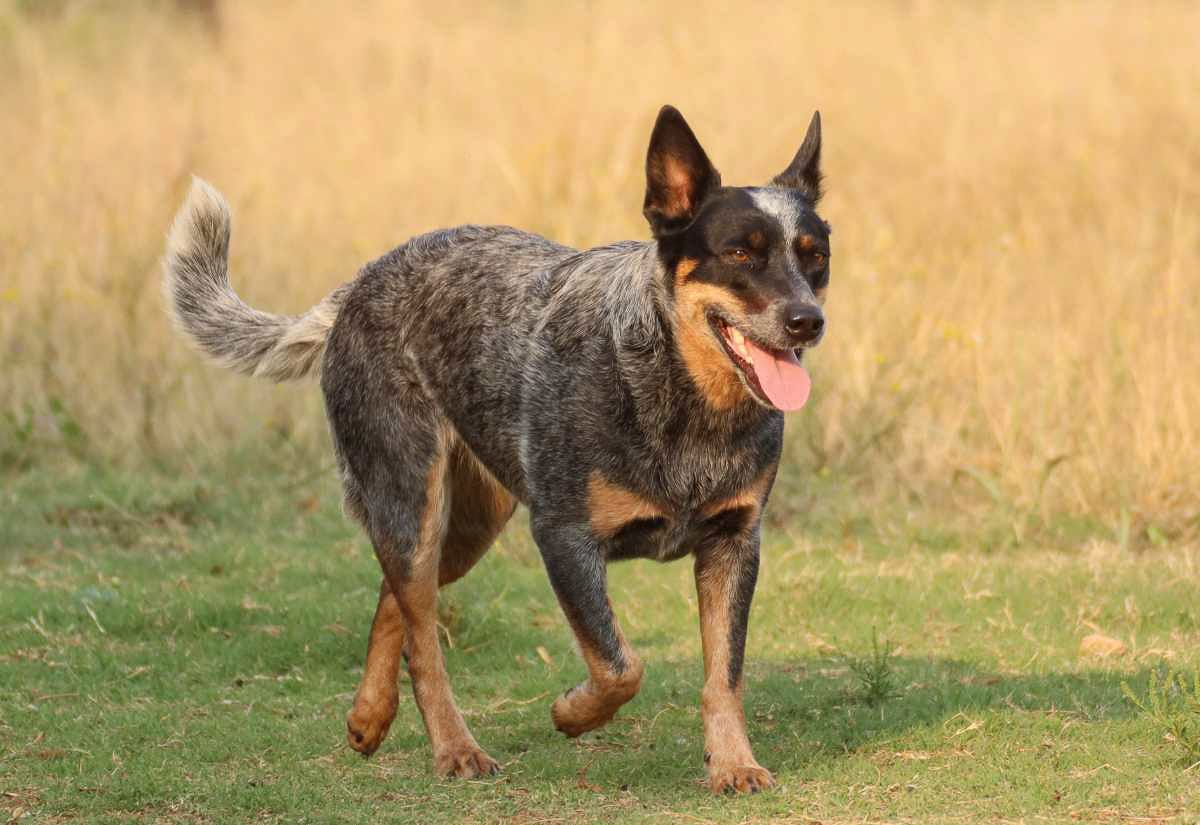
Border Collies, Australian Shepherds, Australian Cattle Dogs, and similar breeds often get recommended for homesteads, and I understand why. They are smart, athletic, trainable, and very tuned in to what is going on around them.
These dogs can be great for the right person. But they are not the kind of dog you can half-commit to. They need structure and a real outlet. If they do not get it, they will create their own job, and you may not like what they pick.
That is why I think people should think carefully before choosing one just because the breed is popular.
Companion Dogs for Homesteads
This category gets overlooked, and I think that is a mistake. Some homesteads do not need a specialist. They need a sound, trainable dog that can be trusted around the place, alert when something is off, and pleasant to live with.
That can be a Labrador, a Golden Retriever, a calmer shepherd mix, or another medium to large dog with a stable temperament and manageable prey drive. These dogs may not guard a flock or gather sheep, but they can still be excellent homestead dogs because they fit the rhythm of daily life.
For a lot of small homesteads, this is probably where I’d start. A reliable all-around dog you can live with every day is worth more than an impressive breed that never settles into the life you can really offer.
Some Breeds Fit Better Than Others
Some breeds fit certain homesteads better than others. That’s really what this comes down to.
Breeds That Often Do Well
Livestock guardian breeds tend to shine when there is real predator pressure, enough land, and livestock that need protection. Great Pyrenees are probably the breed people mention most, and for good reason. They are steady, imposing, and deeply wired to guard. Anatolians and Maremmas can be very good too, though they still need the right setup and handling.
Among herding and working breeds, Border Collies and Australian Shepherds can be excellent if you want a highly engaged dog and you are prepared to train. Australian Cattle Dogs can be useful too, though I tend to think they need an especially good fit because they can be intense.
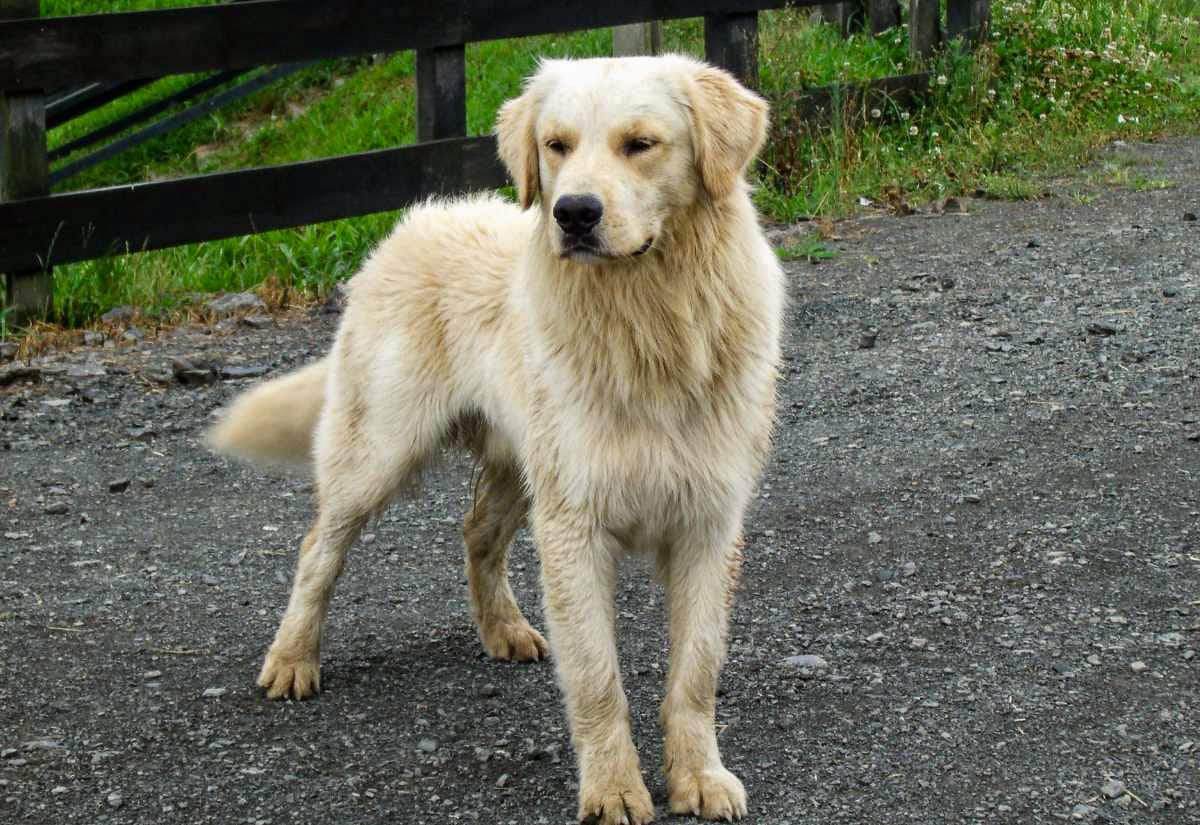
Then there are the dogs I’d tell most small-homestead owners to look at first. Labs, Goldens, and well-bred or well-selected mixes with a moderate temperament may not sound as rugged on paper, but they are often easier to live with and easier to shape into dependable homestead companions.
Breeds That Can Be a Hard Fit
I would be careful with dogs bred for high prey drive, especially if you keep poultry or rabbits. Many terriers are bold, busy, and driven to chase and grab. Some homesteaders like them for vermin control, and I get that, but I would not call them an easy choice around chickens.
I would also be cautious with hounds that are bred to roam and follow scent over long distances. If your property is open or your fencing is limited, that can become frustrating fast.
Some sporting and hunting breeds can be a hard match too, depending on the individual dog and how much bird drive it carries. A beautiful dog with strong instincts for flushing or retrieving birds may not be the calmest housemate for your laying hens.
And then there are dogs that simply are not built for the wear and tear of homestead life. Tiny, delicate companion breeds may be sweet pets, but mud, rough ground, winter weather, and larger livestock are a lot to ask of a dog that was never meant for that environment.
Matching the Dog to the Homestead
This is where people get defensive online. They love their breed, so of course they want to believe it can do everything. Sometimes it can. Sometimes it really can’t. A lot comes down to the dog, the setup, and how honest you are about both.
If you know your place has heavy predator pressure, that should shape your decision. If you know you mostly need a dog that can live around chickens without causing trouble, that should shape your decision too. Around here, understanding the local risk matters. Thinking through common Maine predators that threaten livestock gives you a much clearer picture of whether you need a serious guardian dog or just a sensible, trainable one.
Purebred or Mixed Breed?
I do not think you need a purebred dog to have a good homestead dog. I really don’t. A good mix with the right temperament, enough size for your needs, and a solid training foundation can be a fantastic fit.
Purebreds can be useful when you want a better sense of what you’re getting. And if you need a real livestock guardian dog or a true herding dog, breed purpose does matter. Those instincts did not appear out of nowhere.
But a lot of readers are not running big stock operations. They are keeping chickens, maybe a few goats, maybe rabbits, and they want a dog that can be trusted, trained, and lived with. In that case, a thoughtfully chosen mix may be every bit as good as a purebred, and sometimes easier.
I would focus less on pedigree and more on the dog in front of you. A dog that freezes, stalks, or locks onto movement may have stronger prey drive. A dog that notices movement but looks back to the handler tends to be easier to manage. Those little reactions often tell you more than a breed description ever will.
Choosing the Right Dog for Your Homestead
This is the point where I think you need to be honest, even if the answer is not the one you were hoping for.
- The first thing I’d look at is what job you really need the dog to do. Do you need livestock protection, chore-side help, a family companion that can handle homestead life, or some mix of those?
- Look at your property as it is right now, not as you hope it will look three years from now. If you only have a few chickens today, that matters more than the sheep you might want someday.
- Be honest about your training style and consistency. Some dogs can tolerate a little inconsistency. Some absolutely cannot.
- Think about your weakest point. Is it poultry safety? Roaming? Barking? Weather tolerance? Stranger wariness? The right breed for one homestead may be a terrible fit for another.
A dog does not need to be able to do everything. It just needs to do the things your homestead really needs without creating bigger problems in the process.
It also helps to remember that a working dog is still just a dog. It still needs care. It still needs watching. Homestead life can be hard on animals in quiet ways, from sore paws to small cuts to weather wear. You need to know what you can handle and when it’s time to call the vet.
Questions People Ask When Choosing a Homestead Dog
If you’re weighing your options, these are the questions that usually come up next.
Pin this for later if choosing a homestead dog is on your mind right now.
The right homestead dog is not always the one people online rave about most. It’s the one that fits your land, your chores, your animals, and your day-to-day life. More than one kind of dog can work well. It just depends on what your place needs.
When the fit is right, that dog becomes part of the daily rhythm before you know it.
If you already have a homestead dog you love, or one that taught you a lesson the hard way, I’d love to hear about it in the comments.