
Why Are There Feathers Everywhere? Understanding Duck Molting
Seeing feathers everywhere in your yard? This post explains duck molting what is normal and when to worry, so you know what to look for.
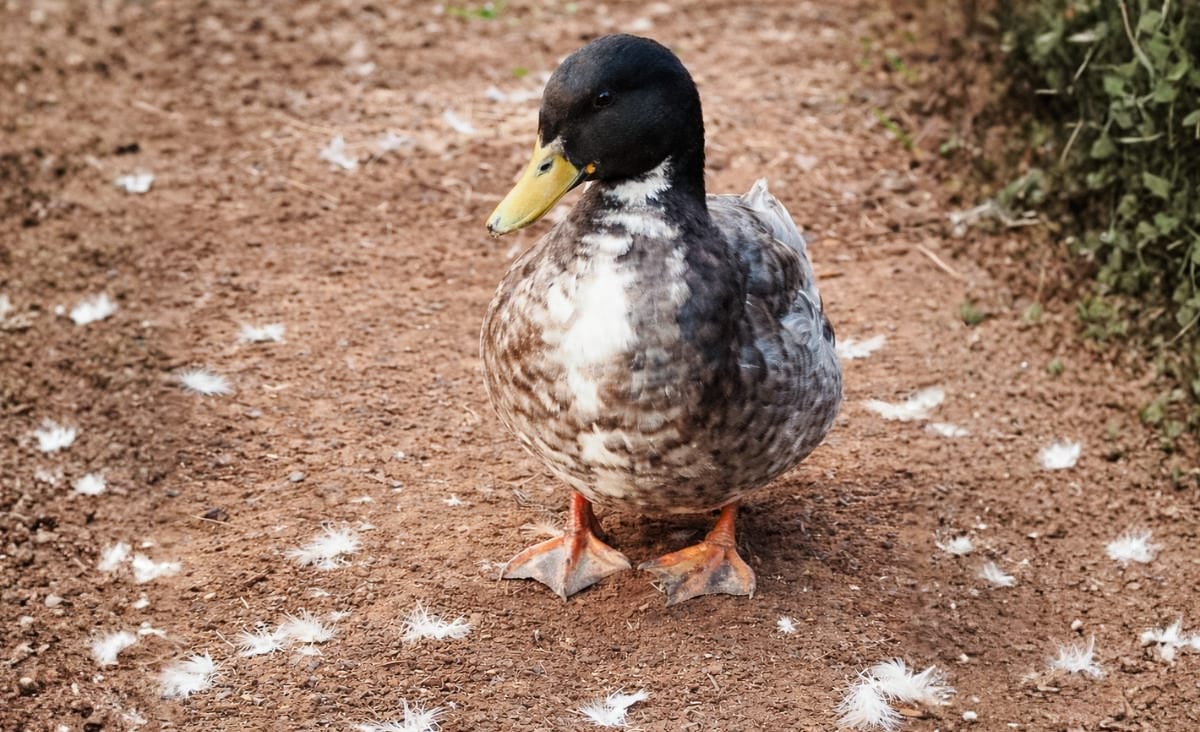
I walked out to the coop one summer morning here in Maine and stopped dead in my tracks. It looked like a pillow had exploded. Feathers were everywhere. Not just a few. I’m talking full-on yard covered, blowing around in the breeze like something had gone very wrong.
My first thought wasn’t calm or logical. I assumed a predator had gotten in overnight. I braced myself before opening the coop door, already running through worst-case scenarios in my head. But when I counted heads, everyone was fine. That’s when it clicked. Molting.
If you’ve never seen this before, it’s one of those moments where your stomach drops a little. Here’s what’s going on, what’s normal, and when it might be something else.
Feathers Everywhere? Here’s What’s Really Happening
If your yard suddenly looks like a down-filled snowstorm hit it, there’s a good chance your ducks are molting. This is just part of their normal cycle. They drop old feathers and grow new ones in their place.
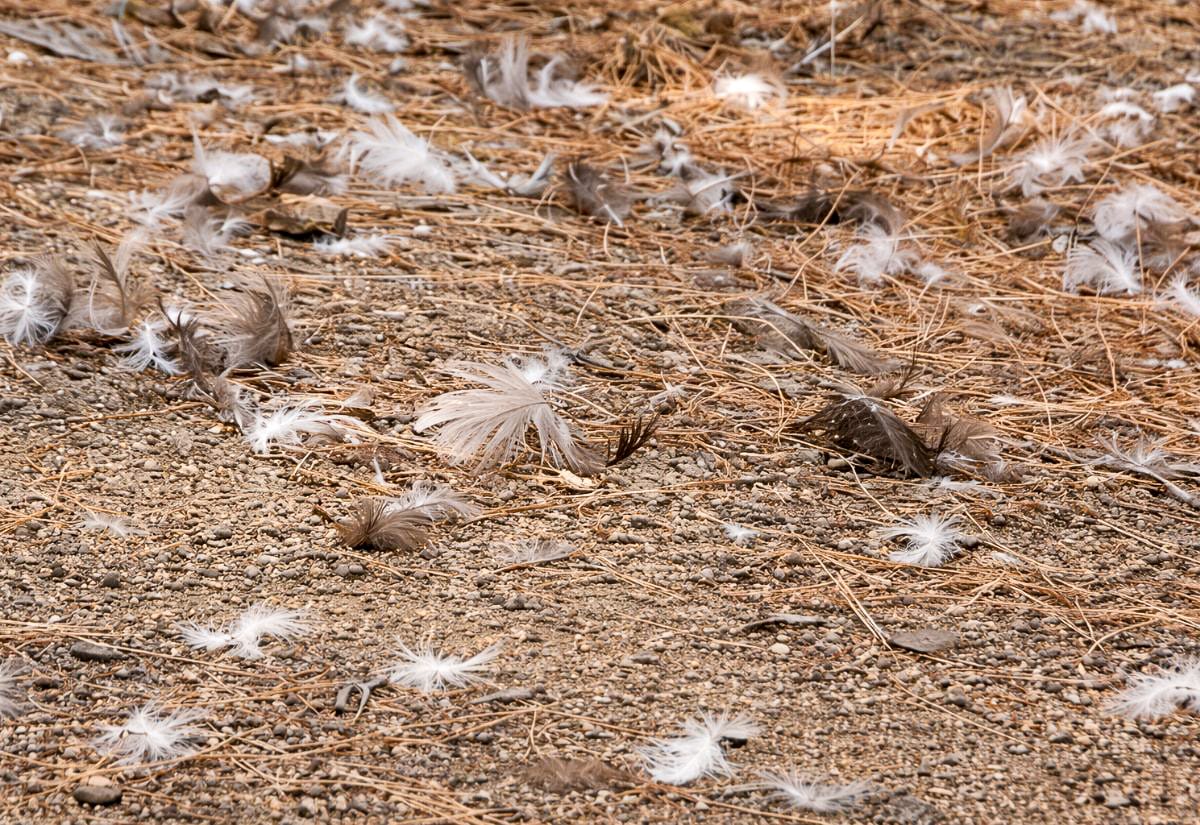
What gets people is just how bad it looks at first glance. Chickens molt gradually. Ducks do not. When ducks molt, especially in summer, it can feel like it happens all at once. In reality, it starts slowly, and then one morning you walk out and it’s a total mess. You’ll see:
- Piles of feathers across the ground
- Down stuck to their bills from preening
- Ducks that look a little rough around the edges (they won’t be bald, but they won’t have that smooth, finished look either)
It looks bad, but it usually isn’t anything to worry about.
That said, if you’re new to ducks, it’s worth knowing the difference between molting and something more serious. If you want a broader sense of what health issues to watch for, this is a good place to get familiar with other common duck health problems to watch for.
Duck Molting vs Predator Attack
This is where your brain jumps straight to worst-case scenario. Feathers everywhere can mean two very different things.
What Molting Looks Like
When mine molt, the feathers aren’t in one spot. They’re everywhere. Along the fence. In the grass. Stuck to anything damp. The ducks themselves? Totally normal. Walking around. Eating. No panic.
What a Predator Situation Looks Like
I’ve been through both, and they don’t look the same. When a predator attacks, the feathers tend to be concentrated in one spot, often with signs of a struggle. You may find broken feathers, blood, or even missing birds.
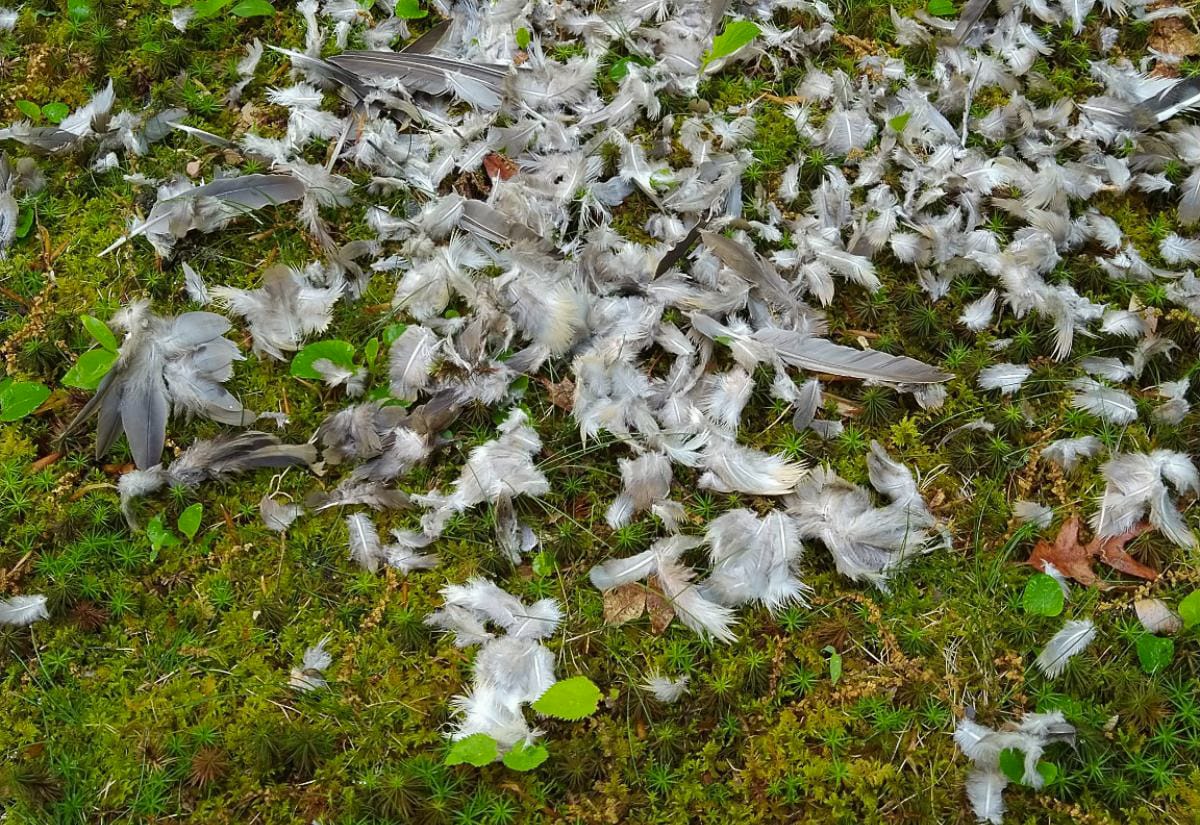
If you’ve never dealt with predators before, it’s worth understanding how to protect your flock from common predator problems so you know what to watch for and how to prevent it.
When Ducks Molt (And Why It Happens)
Molting isn’t a one-and-done thing for ducks. They go through a few different phases, and each one looks a little different.
Spring: The Eclipse Molt
In early spring, mature drakes go through what’s called an eclipse molt. This one is subtle. You might notice a few feathers here and there, but nothing dramatic.
This is when drakes shift from their bright breeding plumage to a more muted look. Around here, this is also when attitudes change. The strutting and overconfidence dial way up during breeding season, and then things settle down again.
Summer: The Heavy Molt
This is the one that makes it look like a pillow exploded in your backyard.
Both males and females go through a heavy molt in summer. They drop a huge amount of down in a short period of time. Far more than you’d think from the size of the bird. It can happen over the course of a week or two, but the heaviest feather loss usually happens in just a few days within that window. After that, things slow down as new feathers come in. They won’t look fully back to normal right away, even though the worst is over.
Fall: The Flight Feather Molt
In the fall, ducks replace their flight feathers. This matters more in wild ducks than backyard setups, but the process is still there. New feathers are coming in during this time, and they’re sensitive. This is when I make a point to leave my ducks alone as much as possible and let them do their thing without extra handling.
What Molting Looks Like Day-to-Day
The first time feels like a big deal. After that, you just deal with it and keep going.
The Mess
First thing you notice is the mess. Feathers all over. Corners, fence lines, wherever the wind pushes them. If your ducks have a favorite hangout spot, that area will be covered. It’s not a slow buildup either. One day things look normal. The next day it looks like a feather storm hit overnight.
Feathers don’t have much scent, so they’re not really pulling predators in. Leaving them in the yard actually has some benefit. They’ll slowly breakdown into the soil, adding organic matter and improving soil structure over time. I usually clean up and compost the heavy buildup near the coop, but leave the rest.
Changes in Your Ducks
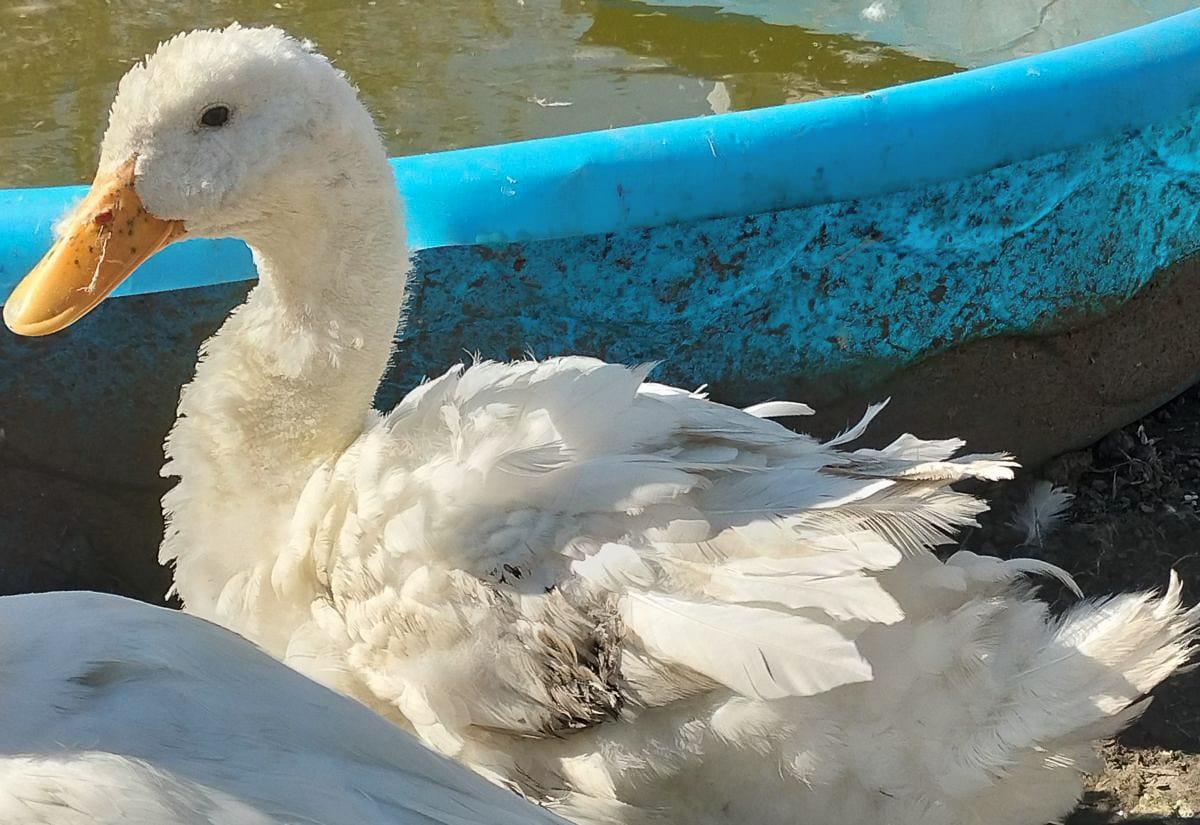
Your ducks might look a little rough during a heavy molt. Feathers can appear uneven, and they may not look as sleek as usual. You’ll also notice more preening as they work through the process. Some ducks act completely normal. Others may spend more time resting or preening instead of moving around. Egg production often drops off during this time.
If you’re still getting used to duck behavior, it helps to understand what daily life with ducks really looks like so these changes don’t catch you off guard.
How to Care for Ducks During Molting
You don’t have to go changing everything just because they’re molting, but a few small adjustments can make things easier on your ducks.
Keep Their Environment Clean
Ducks already make a mess. Add molting into the mix, and things pile up quickly. I stay a little more on top of cleaning during this time, especially around water areas where feathers tend to collect. This ties directly into keeping their space clean and low-stress, which makes the whole process easier on both you and your ducks.
Support Them Without Overdoing It
Molting takes energy. Your ducks are growing new feathers, and that requires nutrients. I don’t go overboard, but I make sure they’re getting a solid, balanced feed and steady access to clean water. You don’t need supplements, but you can temporarily switch to a Feather Fixer formula that contains more protein if you’d like to. This is optional and not something we choose to do on our homestead.
Give Them Space
New feathers are sensitive while they’re growing in. I avoid handling my ducks during heavy molts unless I absolutely need to. It’s easier on them (those new feathers can be very sensitive), and it prevents damage to those new feathers.
When to Be Concerned
Molting is messy, but it shouldn’t come with injuries or major behavioral changes. If you notice blood, open skin, or a single bird being targeted by others, that’s not molting. If feathers are missing but not being replaced over time, that may be a sign of bullying or illness. With molting, you should start seeing new feather growth fairly quickly after the old ones drop. If an area stays bare for more than a couple of weeks, it’s worth a closer look.
Questions About Duck Molting and Feather Loss
These are the ones that tend to come up once you’ve seen your first big molt.
Pin this to come back to when your ducks start dropping feathers everywhere.
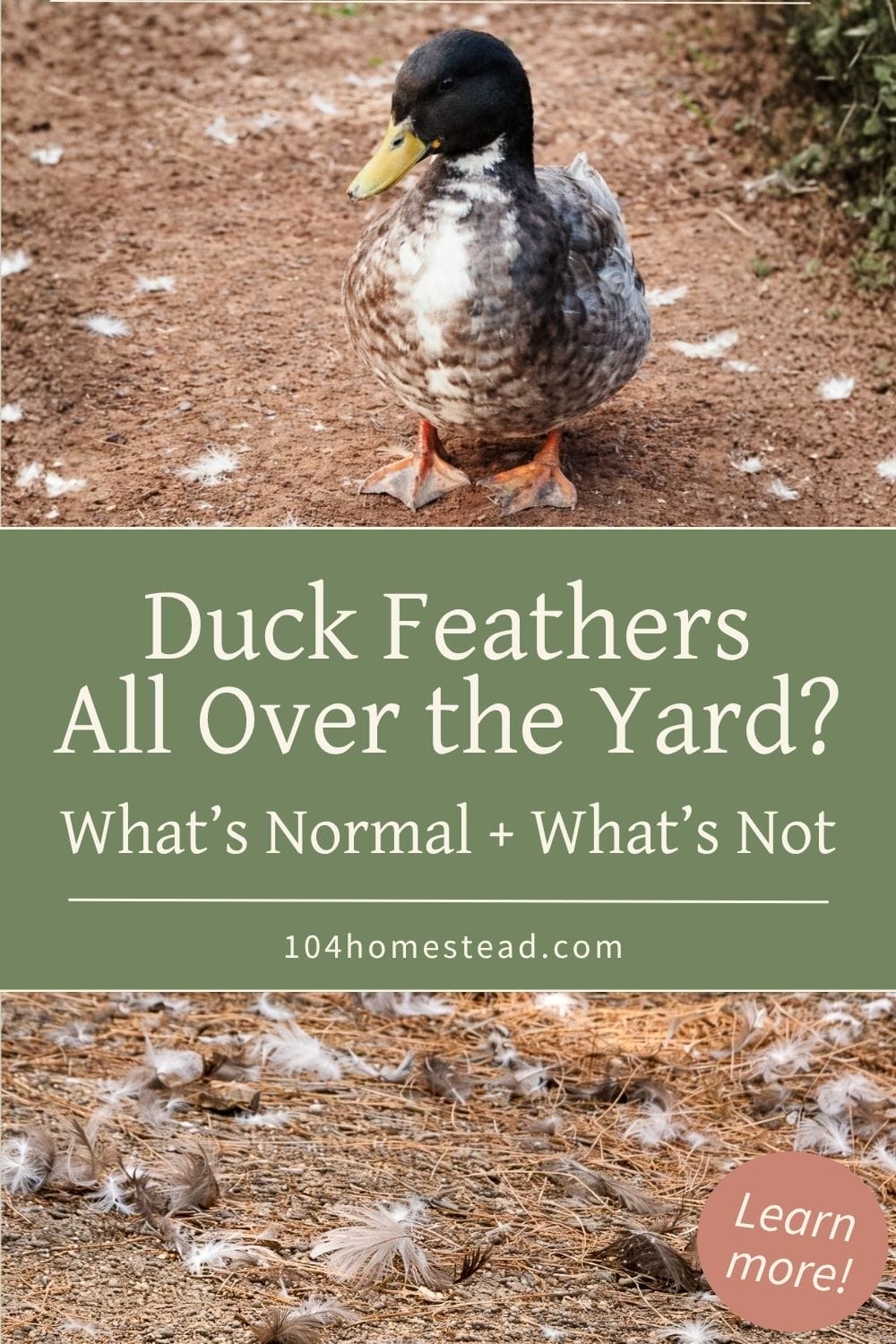
That first time you see feathers everywhere is a moment you don’t forget. It’s messy, a little alarming, and easy to misread if you’ve never seen it before. Once you know what’s happening, it becomes just another part of keeping ducks. It’s messy, you’ll probably be out there cleaning more than normal, then it’s done.
If you’ve had a moment like this, I’d love to hear what you thought was happening at first. Drop it in the comments. I have a feeling I’m not the only one who braced for the worst that morning.
How long before the ducks get their original feathers back?
I’ve got 6 mucovy ducks. All of them molted in the spring except for 1 hen. I thought nothing of it until the fall. She’s not molting now either. Her feathers look horrible, and she not tolerating the cold. Do you have any experience with this?
This is a great molting guide. I had noted my flock molting periodically, but never categorized it. So very helpful. That being said, this year’s summer molt coincided with 4 of my females going broody. Feathers are coming back in, but they’re presenting male! All four. None have started laying again. I know this switching sex can happen, but seems strange, all 4 at once. Have you come across this before? I am wondering if there is some environmental factor in play here. To note, the rest of my flock is one drake, and 2 other females. So my flock seems to be switching from 1 drake, 6 ducks, to 5 drakes, 2 ducks. And all the problems therein. My drake does seem to recognize the others as drakes now too.
Hi! Thanks for the post! Quick question… how long does your summer mold last and do your ducks continue to lay or take a break?
Thank you!
Tammy
Hi I have a question
We have a Pekin drake he will not open his wings. He is a year old and he did flap his wings and spread them to stretch and such but now I have noticed he isn’t opening them. What could be wrong? Any help is appreciated.
Thank you
Hello, should I change the diet of my drake wood duck while he is molting? If so what should I change it too. Right now he eats cracked corn and game starter mix.
that adorable, i feel ya 🙂 this is my husbands and my 5th year doing the garden thing we now have a total of 15 ducks half runner and half Peking, 12 chickens , i want two goats, two pigs and boy hes like yeah yeah ,lol i would like a horse for our coral as well, but like you said 🙂
Am I a homesteader? A wanta Be, definitely. This is what I do know. I love the simple life, good old hard work, animals, growing food (although I might starve if I don’t get better at the growing). living simply and wisely, whatever that is. I’m 57 yrs. married 39yrs. would I imagine this lifestyle yrs ago. NO NO. We change, we go back to our childhood and pull from that. That is what I’m trying to do. I feel that if I don’t “get” this thing in me I will lose a very precious part of myself. Now, heres my dilemma incase your saying jeez woman just do it. My husband hates this lifestyle, I live in a suburban neighborhood and everyone thinks I’m crazy. Me, my 4 chickens 3 ducks and one rabbit. Oh and sort of a garden. Soooo what is this? I hope to hear from you it’s all big and scary out here by myself. lol
My husband is supportive, but he is certainly not engaged in the process (though he greatly enjoys the results – home raised chicken on a bed of roasted homegrown veggies lol). I still get eye rolling when I suggest we get a new animal – like my current plea for fiber rabbits – but he knows I’m going to go ahead and do it, and he’ll be thankful I did when he puts on his new winter hat. I guess what I’m saying is sometimes you have to pioneer on and they’ll catch up.