
How I Make Homemade Quail Feed for My Coveys
Learn how I make homemade quail feed, why I mix my own, and the nutrition that matters most for healthy, productive Coturnix quail.
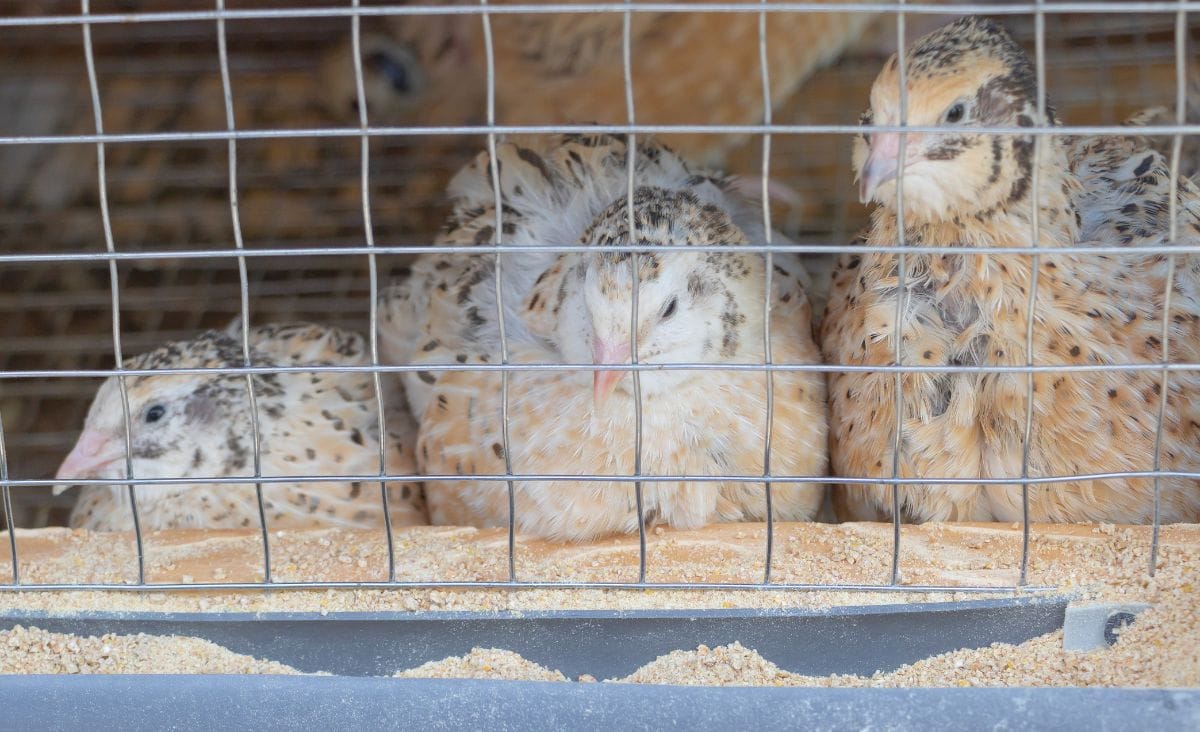
If you want steady eggs and a reliable protein source, Coturnix quail are hard to beat. When their feed is right, they grow fast and lay like clockwork, even in tight setups. Store-bought feed works, but it isn’t the only way to feed quail. Mixing my own feed gave me more control over ingredients and cut costs at the same time.
I’ll show you how I mix my own feed and share the two blends that have worked best for me. Not sure if quail are the right fit for your homestead? For small spaces and quick egg production, quail are a solid option.
Why I Mix My Own Quail Feed
People mix their own quail feed for different reasons. For some, store-bought feed is hard to come by. Others do it to improve health, cut costs, or boost productivity. This is what’s made homemade feed worth it for us:
Adjusting Feed by Age and Purpose
I like being able to tweak feed based on age instead of using one blend for everything. Chicks need high protein. Layers need extra calcium. Meat birds benefit from energy-rich ingredients. It gives you flexibility instead of locking you into one formula.
Controlling Ingredients
I know exactly what I’m feeding my birds. No mystery ingredients or unnecessary fillers. You can source your own grains, seeds, and meals or grow some of them yourself.
Where the Savings Come In
Once you’re feeding more than a few birds, homemade feed can cost a lot less. It takes more effort, but it’s been worth it. Looking for other ways to cut costs while raising healthy quail? Here are some DIY and money-saving tips for raising Coturnix quail.
Wondering how many birds to raise? This guide can help you figure out how many quail to start with based on your goals and space.
What Quail Need in Their Feed
Homemade feed works best when it meets the birds’ real dietary needs. These things make the biggest difference.
Protein
Protein has a huge impact on both growth and egg production. Chicks require higher levels (20–24%), while adult layers do well on 17–20%. Non-laying adults can maintain on 16–18%. If you’re feeding a mixed-age covey, you’ll want to check out my guide on what to feed Coturnix quail chicks vs. adults.
My go-to protein sources are soybean meal and fish meal. They’re both high-quality and easy to measure into recipes.
Calcium and Minerals
Laying hens need plenty of calcium to produce strong shells. I use oyster shell or limestone in both my recipes to meet that need. Balanced minerals also support bone strength and prevent egg issues.
Vitamins
Vitamins A, D, and E are key for egg production, immune health, and bone strength. I use alfalfa meal and kelp powder to boost natural vitamin content.
Energy
Quail need carbs and a little fat to keep going, especially in cold weather. Whole grains like corn, barley, and wheat provide both.
Adding Variety
Sometimes I mix in a small amount of produce, mealworms, or herbs to keep things interesting. Wondering what quail can (and shouldn’t) eat? Check out The Ultimate Coturnix Quail Feeding Guide over on my sister site, Forget-Me-Not Quail Farm.
Don’t rush feed changes. I transition new feed over 3–5 days to avoid issues.
Two Balanced Homemade Feed Mixes
Each mix serves a different purpose. I adjust these depending on the birds.
Growth and Maintenance Mix
This is my everyday, all-purpose mix for quail that aren’t laying or breeding. It’s balanced for steady growth, feather health, and maintenance.
Includes: Corn, soybean meal, wheat, fish meal, oyster shell, salt
Basic Growth and Maintenance Mix for Quail
This post may contain paid links. If you make a purchase using the links in this recipe, I may earn a commission.
Equipment
- 1 Airtight Container
- 1 Grinder
Ingredients
- 8 lbs. Whole Corn
- 8 lbs. Soybean Meal
- 4 lbs. Wheat
- 2 lbs. Fish Meal
- 2 lbs. Oyster Shell or limestone
- ½ lb. Salt
Instructions
- Grind the whole corn and wheat using a grain mill or a high-powered blender so it’s small enough for the quail to handle.8 lbs. Whole Corn, 4 lbs. Wheat
- Mix all the ingredients thoroughly in a large container.8 lbs. Soybean Meal, 2 lbs. Fish Meal, 2 lbs. Oyster Shell, ½ lb. Salt
Notes
Laying Boost Mix
Designed for active layers, this blend supports daily egg production, stronger shells, and better nutrient reserves.
Includes: Soybean meal, barley, peas, alfalfa meal, fish meal, sesame seeds, oyster shell, kelp, salt
Laying Boost Mix for Quail
This post may contain paid links. If you make a purchase using the links in this recipe, I may earn a commission.
Equipment
- 1 Airtight Container
- 1 Grinder
Ingredients
- 8 lbs. Soybean Meal
- 8 lbs. Barley
- 4 lbs. Peas
- 2 lbs. Fish Meal
- 2 lbs. Alfalfa Meal
- 2 lbs. Sesame Seeds
- 1 lb. Oyster Shell or limestone
- ½ lb. Kelp Powder
- ½ lb. Salt
Instructions
- If you can’t get it already ground, grind the barley and peas.8 lbs. Barley, 4 lbs. Peas
- Mix all the ingredients thoroughly in a large container. I use a pet food storage container.8 lbs. Soybean Meal, 2 lbs. Fish Meal, 2 lbs. Alfalfa Meal, 2 lbs. Sesame Seeds, 1 lb. Oyster Shell, ½ lb. Kelp Powder, ½ lb. Salt
Notes
Lessons From Feeding My Coveys This Way
Here’s what I’ve learned along the way:
- Always offer fresh, clean water.
- Keep feed in an airtight container in a cool, dry place.
- Watch your birds. If they’re dropping weight, laying soft-shelled eggs, or acting lethargic, the mix may need adjusting.
- Supplement with forage, mealworms, or garden extras to add variety and trace nutrients.
- Weigh your birds occasionally to monitor growth and health.
Heads up: Quail need constant access to food. They have fast metabolisms and shouldn’t be meal-fed like chickens.
If you’re still deciding on breed, here’s why I recommend Coturnix quail for nearly every homestead. They’re hardy, productive, and easy to raise.
Things People Ask Once They Start Making Quail Feed
These come up a lot, so here’s what’s worked for me.
Pin this so you can come back to these homemade quail feed recipes anytime.
Homemade feed ended up being about more than cost for me. It made me more intentional about how I feed them. From basic maintenance feed to a layer mix, homemade feed lets you decide what goes into their feed.
Have you tried making your own quail feed? Let me know what worked (or didn’t!) in the comments.
How would you adjust the growth and maintenance feed for chicks that just hatched?
Newly hatched chicks need higher protein—around 28–30%. You can bump up the protein in your homemade mix with things like fish meal, insect meal, or extra hard-boiled eggs until they’re about 4–6 weeks old.
Can I substitute lentils for soybeans?
Yes, you can substitute lentils for soybeans in homemade quail feed, but there are a few things to consider. Lentils have less protein (around 24-26%) compared to soybeans (36-40%), so you may need to add another protein source to balance the diet. They also contain less lysine, an essential amino acid for quail growth and egg production, so pairing them with ingredients like peas or alfalfa meal can help.
Is there an alternative to using soybean? Can’t wait to try. And for rabbit feed, I’d like to get a pelletizer and make my own feed. Have you looked into that at all? Having a hard time finding a pelletizer machine.
You can swap soy with things like sunflower seed meal, peas, or fish meal—just make sure to balance the amino acids. And yes, I’ve looked into pelletizers! They’re hard to find in small sizes, but some folks have luck with pellet mills meant for feed or wood—just make sure it’s safe for food use.