
How Much Firewood to Heat Your House Through Winter?
Wondering how much firewood you need for winter? Learn how many cords most homes burn and how to estimate the right amount for your house.
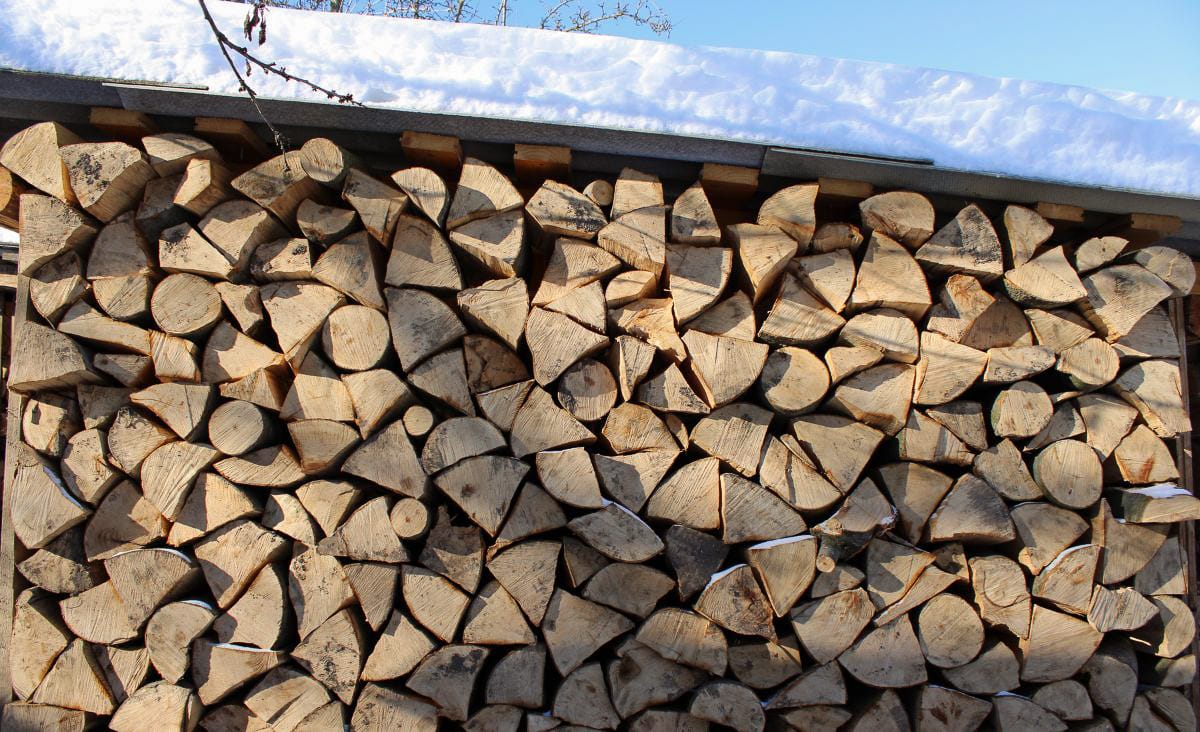
The first winter we heated fully with wood in Maine, I thought we had more than enough stacked. The pile looked impressive in October. By late February, I was out there in boots and a headlamp counting what was left and doing math in my head. That was the year I learned that “a lot of wood” and “enough wood” are not the same thing.
Heating with wood sounds simple. Stack it. Burn it. Stay warm. But if you heat with wood, one of the first questions you’ll ask is how much firewood you need for winter. The answer depends on your house size, insulation, stove type, and how cold your winters get.
Let’s start with a ballpark number, then we’ll narrow it down.
The Short Answer If You Just Want a Number
Around here, most homes that heat mainly with wood burn between 4 and 8 cords. That’s for a pretty standard family home running wood as the main heat. A smaller, well-insulated home might land closer to 4 or 5 cords. A larger or draftier house can push past 8 cords without much effort. I have seen both.
And that’s a big range. Climate, stove efficiency, and wood species can swing your usage by several cords in either direction. That’s why I don’t trust a single number.
Use This Calculator to Estimate Your Firewood Needs
Below you will find a calculator that factors in:
- Square footage
- Climate zone
- Stove efficiency
- Wood type
It is not perfect. No calculator can account for every drafty window or windy January week. It won’t know how often you crack the door to let the dog in. But it at least puts you in the right neighborhood.
Round up. No one regrets having a little extra stacked in March.
What Changes How Much Wood You Burn
These are the things that change everything.
Climate Matters More Than Square Footage
I live in Maine. Our winters are long, and cold snaps are not rare. If you are heating in the Northeast or upper Midwest, your wood pile needs to reflect that. A 1,500 square foot home in Tennessee and a 1,500 square foot home in northern Maine will not burn the same amount of wood. Not even close.
That’s why climate matters so much. Running your stove day and night for weeks straight is very different from burning in the evenings only. If you are in a milder climate and only rely on wood during the coldest weeks, your total cords will likely be lower than someone who heats around the clock from November through March.
Stove Efficiency Can Save You Cords
Older stoves can chew through a woodpile. Newer EPA-certified models extract more heat from the same log. If you are not sure whether your stove is helping or hurting your wood pile, it might be worth reading about how to choose a wood stove that’s efficient. Over a whole winter, that difference shows up in your stack.
Even a ten percent difference in efficiency can mean a cord or more by the end of winter. Over a five- or six-cord season, that difference adds up quickly.
Wood Species Makes a Big Difference
Some wood just burns better than others. Oak and maple burn longer and hotter than pine or poplar. That does not mean softwood has no place, but it does change your math. If you want a deeper breakdown of heat values and burn time, I have a full guide on which types of firewood burn the longest and hottest.
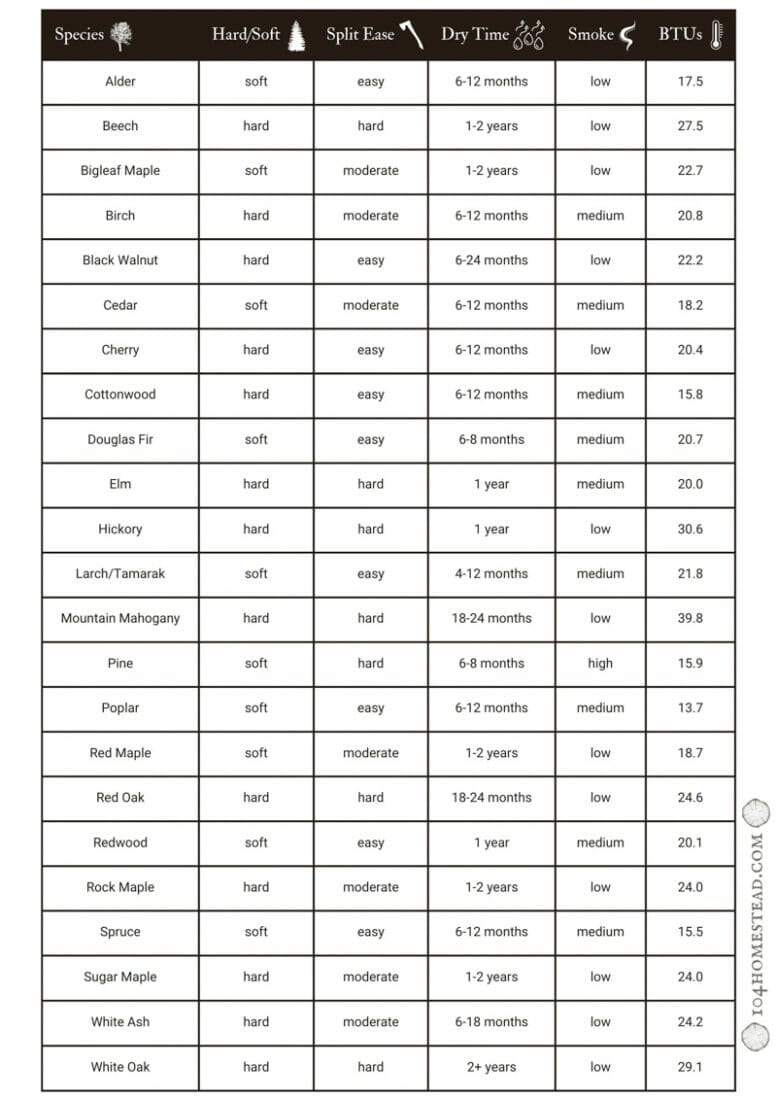
When I stack for winter, I try to keep the bulk of the pile hardwood. Mixed wood is fine, but if your pile is mostly softwood, expect to move through it faster.
Insulation and Draftiness Add Up
Most people blame the stove. It’s often the house. An old farmhouse with single-pane windows and minimal insulation will eat wood. Even if the square footage is modest, heat loss drives up consumption. Before you assume you need another cord, take a hard look at air leaks, attic insulation, and how often you are opening doors. You can stack more wood, or you can slow the heat loss. Both affect your total cords. A little air sealing can mean fewer trips to the woodpile.
How Many Cords We Burn in Maine
On our property in Maine, heating roughly an average-sized home with a mix of hardwood and seasoned mixed wood, we have burned between five and seven cords in a full winter. The years it crept toward seven were colder and windier. The years closer to five were milder and better insulated.
It took a couple winters to get it right. From thinking we had enough and realizing we did not. From stacking early and watching how fast the rows shrank in January. We adjusted each year based on what was left in April.
If this is your first winter, keep a simple note of how many cords you start with and what is left in spring. After one or two winters, you will know your pattern.
Five cords gets expensive fast, so here’s how I find free or low-cost firewood locally.
Storing and Preparing Your Wood the Right Way
It’s not just about how much you stack. How you store and season your wood changes how efficiently it burns.
Stack Early and Let It Season
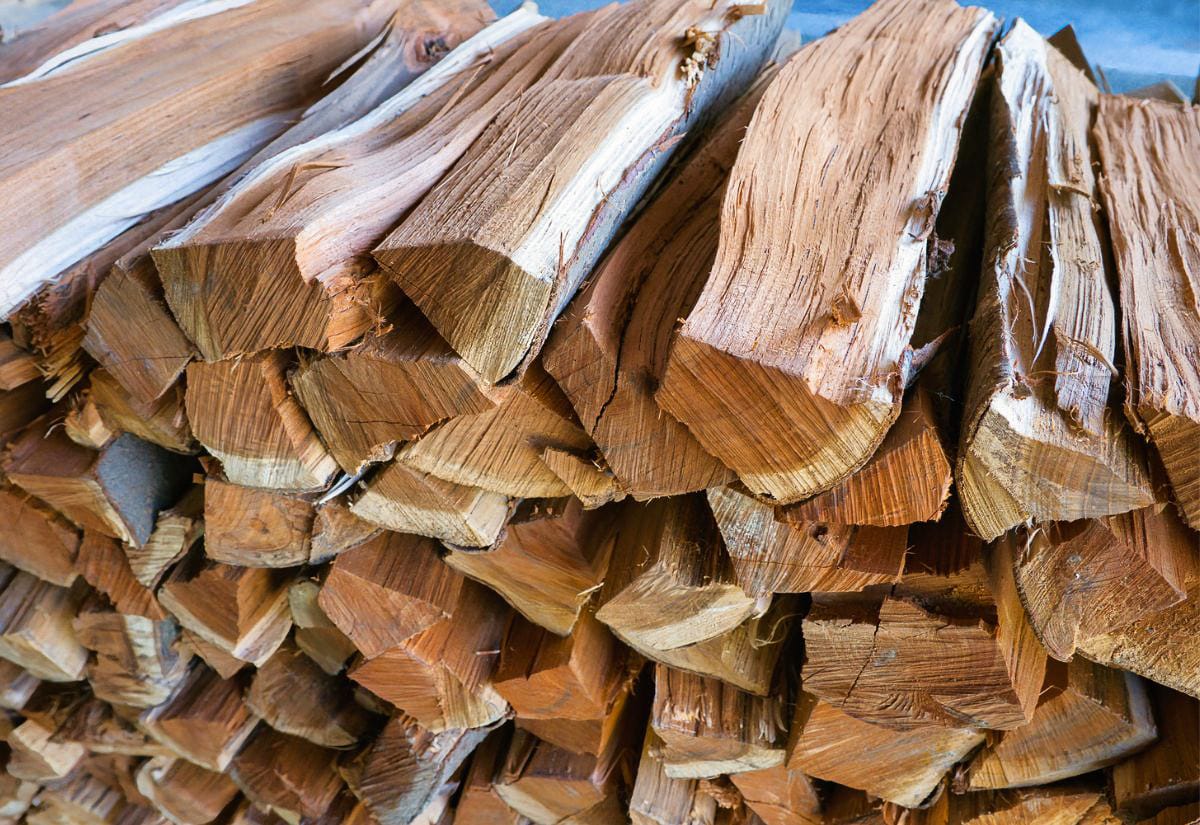
Green wood burns cooler. It smokes more. You reload more often. If your logs hiss, they’re too wet. Split it. Stack it. Leave it alone. Dry wood is worth the wait. If you need help setting up your stacks, here is how I approach how to stack and store firewood so it dries properly. Airflow and elevation matter more than perfection.
Plan for the Long Winter
I do not stack the exact number the calculator gives me. I stack more. Heavy snow, a week of sub-zero temperatures, or an illness that keeps you home more than usual can increase how much wood you burn. I would rather see an extra row in April than an empty rack in February.
When I walk through my fall checklist, wood is always near the top. You can see how it fits into the bigger picture in how I prepare our homestead for winter in Maine. Wood is one of the biggest parts of winter prep around here.
Common Questions About Heating with Firewood
Still have questions? These are the ones that tend to come up once people start stacking wood.
Pin this so you can double-check your firewood math before winter sneaks up on you.
You don’t need a perfect number. You just need a number that keeps you warm. It’s less about perfection and more about not running out. Use the calculator, then see how your winter plays out. Adjust next year.
And if you heat with wood, I would love to know how many cords you typically go through and what climate you are in. Hearing what others burn helps more than charts and calculators.