
How to Hatch Eggs with a Broody Hen from Setting to Hatch Day
Learn how to hatch eggs with a broody hen from set to hatch day, including egg prep, clutch management, and what to expect along the way.
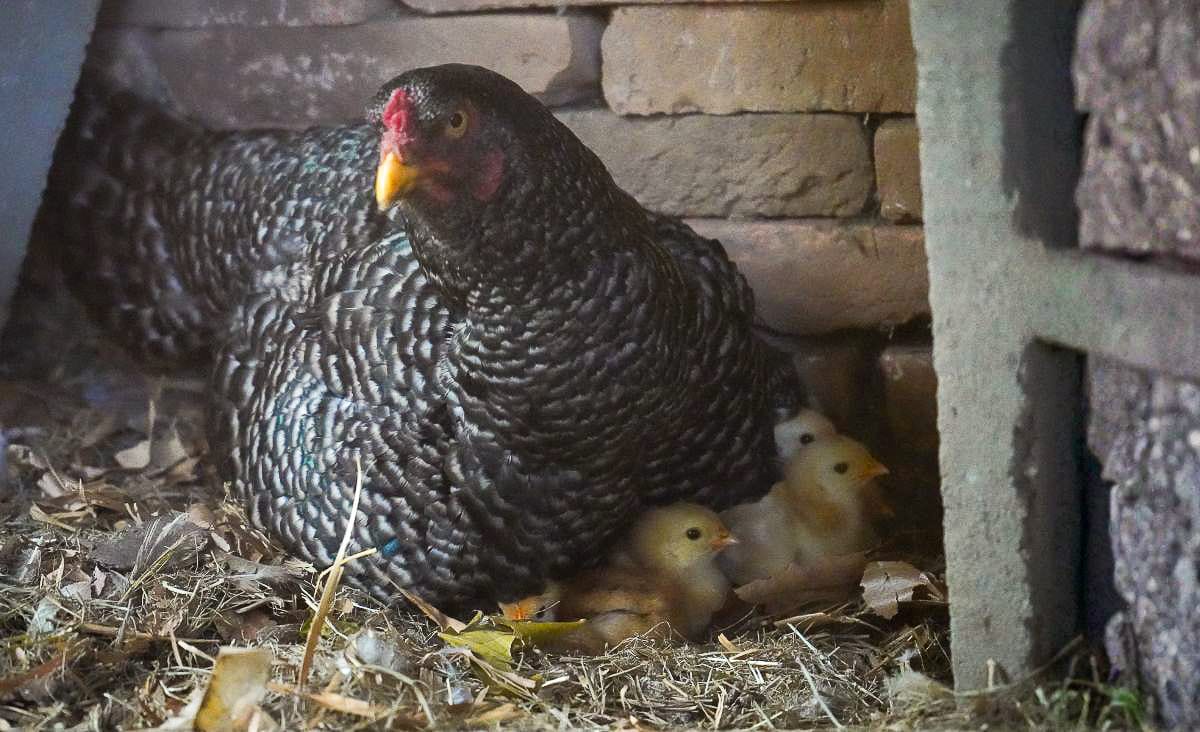
The first time I let a hen hatch eggs on her own, I hovered way more than I needed to. I’d been using incubators, checking temperatures, turning eggs, the whole routine. Letting a hen take over felt weird at first, like I should be doing more. Turns out, she had it handled.
Around here, spring is all over the place. I’ve had hens hatch chicks through some pretty unpredictable weather. I’ve had broody hens choose to nest in the favorite nest box, ignored by the rest of the group, and I’ve had my favorite Plymouth Rock, Hettie, hatch ducklings without any trouble at all. Once you’ve let a hen handle it, incubators start to feel like a lot of extra work.
If you’ve got a broody hen and you’re trying not to mess it up, this is what I do.
Getting Your Broody Hen Ready to Hatch
Once she commits, the question is how much you’re going to mess with it. I’m pretty hands-off. I don’t separate my broody hens from the flock unless something’s going wrong. Most of the time, they do better if I leave them alone.
Setting Up Her Nest
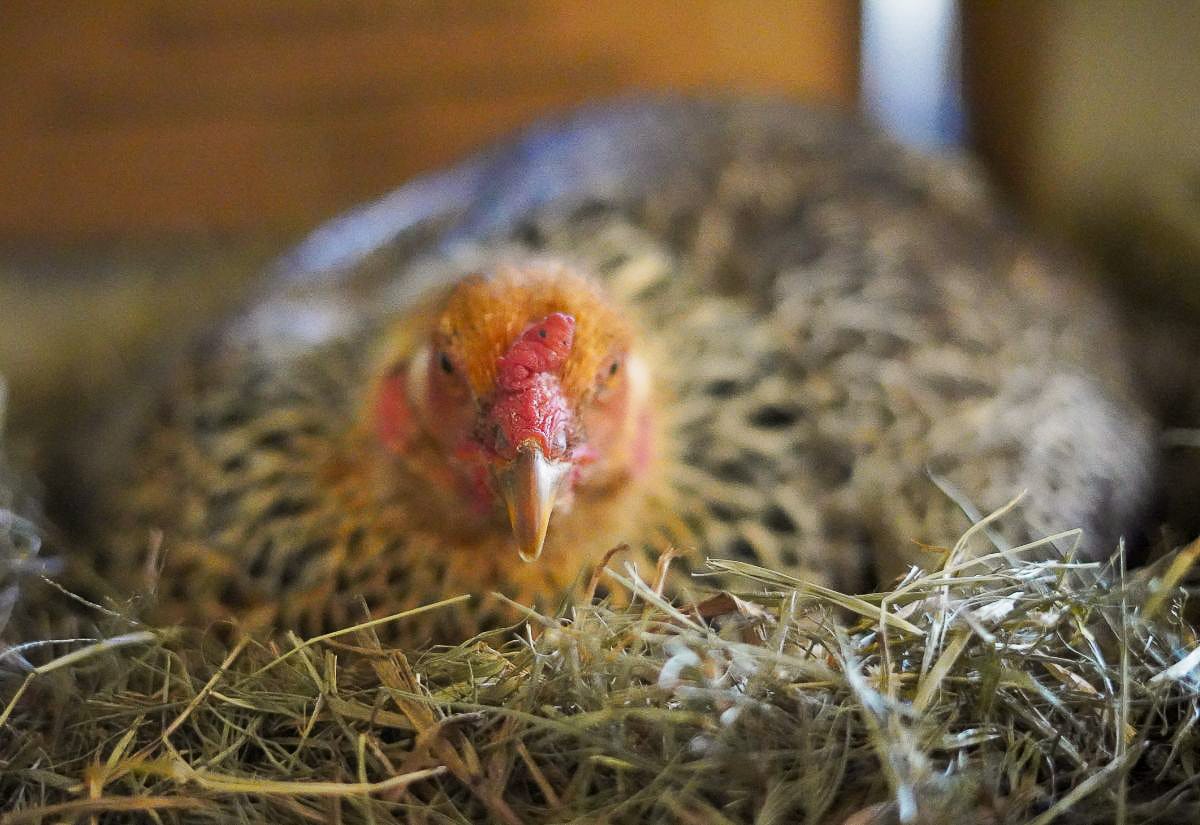
If she chose that nest, there’s a good chance she’s not going to love being moved. If your coop setup is similar to mine, with shared nesting boxes, you’ll want to keep an eye on how the rest of the hens behave around her. If they start bothering her, you might need to block her off or move her.
Marking and Managing Her Clutch
If your broody hen is sitting in a shared space, other hens will absolutely try to sneak in and lay eggs in her nest when she gets up. If you don’t catch it, you end up with eggs at different stages of development, which gets messy fast. I mark every egg she’s sitting on that I want her to hatch. I usually draw a small X on one side with pencil so I can spot new eggs that may have been added by other hens.
If you want to go a little deeper on handling eggs before setting them, including why you should leave the bloom intact, this is a good place to brush up on how to handle and store fresh eggs safely before setting them.
Preparing Eggs for a Successful Hatch
This part is simple, but there are a few things worth paying attention to.
How Fresh Eggs Should Be
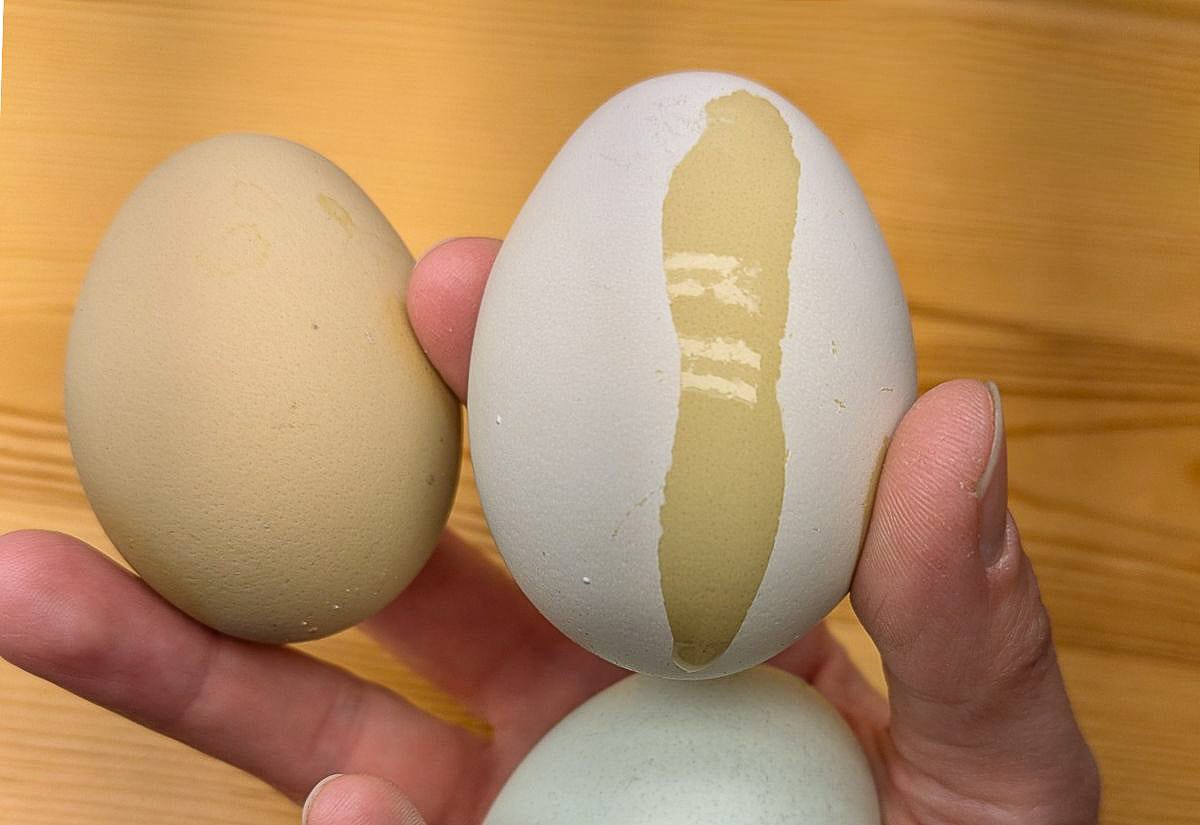
The fresher, the better. I aim for eggs that are less than a week old. After that, hatch rates start to drop. That said, you can still get chicks from older eggs, just not as often. If you’re collecting eggs over a few days before giving them to her, keep them at room temperature and turn them once or twice a day so the yolk doesn’t settle. Just gently tilt them in a carton from one side to the other.
Why You Shouldn’t Wash Them
It’s tempting to clean up dirty eggs, especially if they came from a muddy coop. I get it. But washing removes the natural protective coating on the shell. If an egg is really dirty, I’d rather not use it at all than risk introducing bacteria by washing it.
Swapping in Fertile Eggs (Even Without a Rooster)
You are not limited to the eggs she collected. If you don’t have a rooster, you can buy fertile eggs and slip them under her. I usually do it at night when she’s settled. I just swap her eggs out for the ones I want her to hatch. The numbers don’t have to match (she won’t know). Most of my standard hens handle about 10 to 14 eggs just fine.
There is a myth that floats around that she’ll abandon eggs that aren’t hers before they finish incubating because her internal clock tells her they are “past time,” but that’s not true. She doesn’t have a tiny calendar under her wing. You have time to source some fertile eggs if she’s really broody. Having said that, don’t make her wait too long. Brooding is stressful on the hen’s system. The longer she sits without fertile eggs, the more weight she can lose.
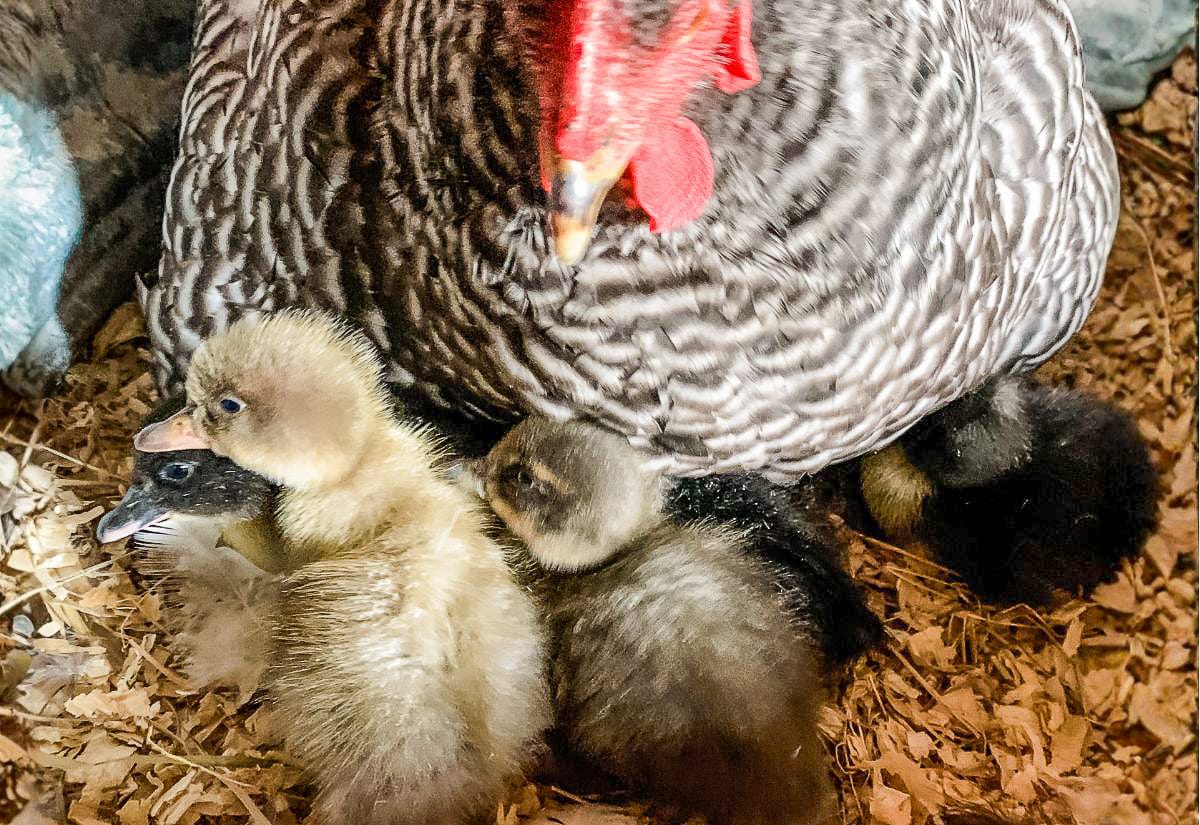
I’ve also swapped in duck eggs more than once. Our ducks have never been great mothers, but one of my Plymouth Rocks has hatched and raised multiple batches of ducklings without missing a beat. She treated them just like chicks.
Do You Need to Candle Eggs Under a Broody Hen?
Honestly, no.
A good broody hen does most of the work for you. If an egg isn’t developing or goes bad, she’ll often push it out of the nest on her own. You’ll find it nearby, which is another reason marking eggs helps. That said, it’s hard not to peek.
When and How to Candle
If you want to candle, do it at night when she’s calmer. Gently reach under her, take one egg at a time, and use a small flashlight. It doesn’t have to be anything special. You don’t need to rush, but you also don’t want to leave eggs out longer than necessary. Have your flashlight ready before you start so you’re not fumbling in the dark.
Returning Eggs Without Stressing Her
When you’re done, place the egg back near her chest. Most hens will tuck it right back under themselves exactly where they want it.
If you’re curious about what you’re looking for inside the egg, you can take a closer look at what you’ll see when candling eggs.
What to Expect During Incubation and Hatch Day
A broody hen will sit most of the day. She’ll get up once or twice to eat, drink, and dust bathe. It can look like she’s neglecting the eggs, but she isn’t. You might not always see her get up, especially if you’re not watching at the right time. If you see “broody poop” you know that she’s eating and getting up.
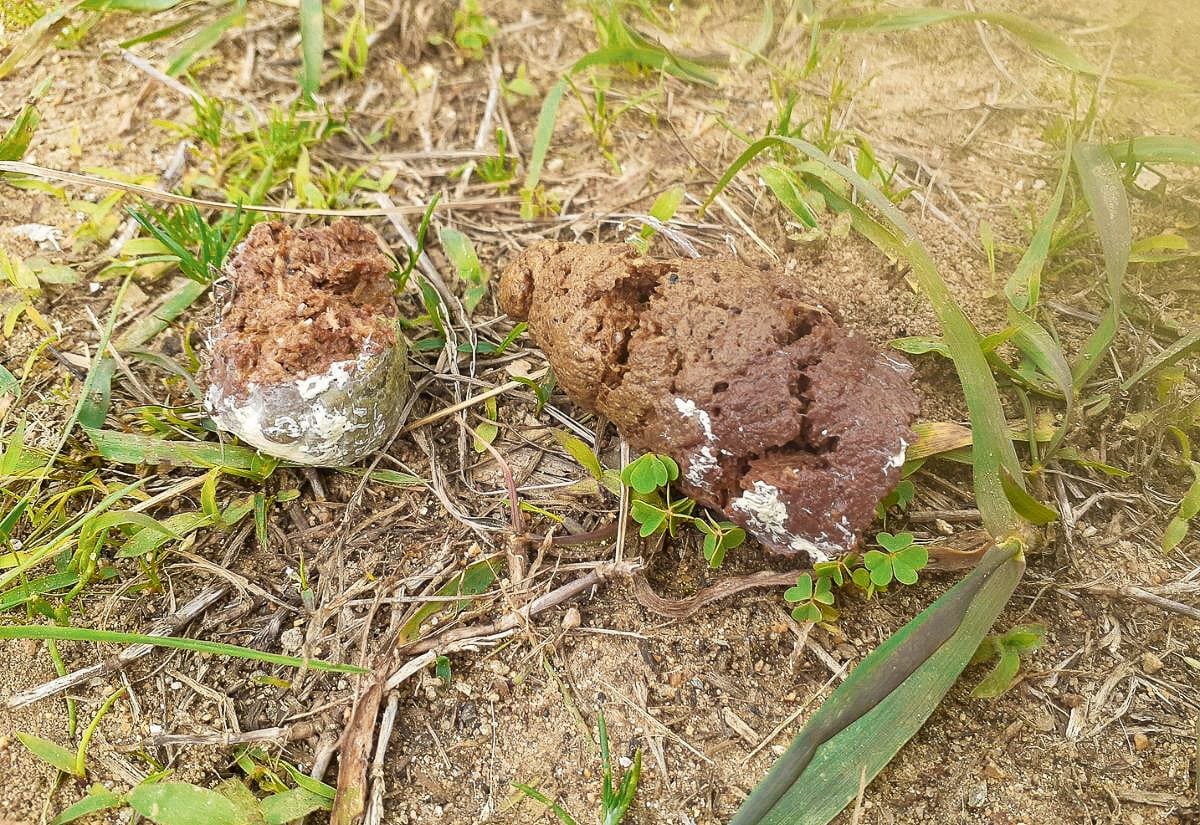
Those quick breaks are part of the process, even if they make you nervous the first time. When you’re getting close to hatch day, you’ll start to notice:
- She stays on the nest longer
- She becomes more protective
- You might hear faint peeping from inside the eggs
Once pipping starts, try not to interfere. It’s slow, and it can feel like it’s taking forever, but chicks need that time to finish developing before they hatch. If you want a better sense of what’s normal and what’s not, it helps to understand what hatch day usually looks like and what can go wrong.
Common Problems and What to Do
Most of the time, broody hatches go pretty smoothly, but there are a couple things to watch for.
She Quits Sitting: If she abandons the nest early on, those eggs won’t survive without intervention. You can try moving them to an incubator, but success depends on how long they were left unattended.
Eggs Keep Getting Added to the Nest: This goes back to marking. If you’re finding new eggs under her, stay consistent about checking and removing them.
Broken or Dirty Eggs: If an egg breaks in the nest, clean out the bedding as best you can without disturbing her too much. Leaving it can affect the rest of the clutch. I usually wait until she gets up for a break and quickly remove the messy bedding. If she won’t leave, you can gently lift her just enough to pull out the worst of it.
Too Much Coop Traffic: If other hens won’t leave her alone, you may need to move her to a quieter spot or create a barricade to keep the others back.
Common Questions About Broody Hens + Hatching Eggs
These are the questions that come up when you’ve got a broody hen.
Pin this to keep these broody hen tips handy when you’re ready to hatch your own chicks.
There’s something really satisfying about stepping back and letting her do her thing. No cords, no thermometers, no freaking out over every little fluctuation of the incubator. After that first hatch, it’s a lot easier to trust her the next time. And honestly, it’s one of the easiest ways to hatch chicks if you’ve got the right hen for the job.
If you give it a try, I’d love to hear how it goes. Every hen does things a little differently, and that’s half the fun of it.
Hi there – I saw a fella who had an incubation calendar and he said it came from you?
Do you know how I could get one? We’re getting ready to start our family 🙂
Thank you so much for reminding me. I took down the old ones while I did an update and I completely forgot to put the new ones up. I’ve added them to the post, but I’ll link both printables here as well. Incubation Calendar and Candling Chart. Happy hatching!
I love this line, “Are you going to pop the breaker when you make toast using the same outlet?” lol. A very real concern for me here on the homestead. I am going to use an incubator to hatch out my own chicks this year. Another great homesteading activity. Thanks for the great post!
That came from personal experience LOL.