
I Want to Start a Garden but I’m Overwhelmed (Where to Begin)
Feeling overwhelmed about starting a garden? Here’s how to quiet the noise, start small, and take your first step without overthinking everything.
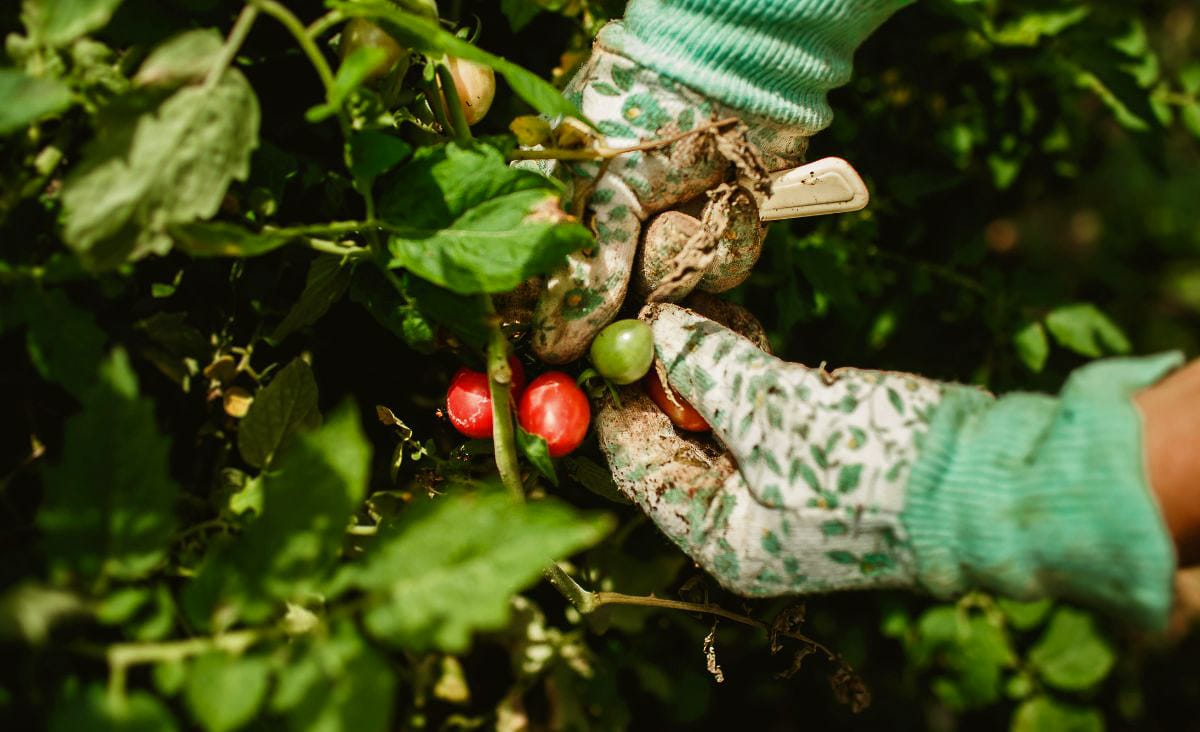
January always does this to me. I want to garden, and I also feel instantly overwhelmed by it. I want fresh food, dirt under my nails, and that quiet satisfaction of growing something myself. Then my brain spirals. Beds or containers? Seeds or starts? Soil mixes, compost, timing, money. I haven’t even stepped outside yet and I already feel behind.
If that sounds familiar, you’re not doing anything wrong. This is incredibly common, especially when you’re new or trying to get back into gardening after a break. There’s no shortage of advice, and a lot of it seems to suggest you should have everything figured out before you begin.
You really don’t. You need clarity, permission to start smaller than you think, and one manageable next step. That’s it. Let’s slow this down and walk through it the way I wish someone had done for me years ago.
Feeling Like You’ve Already Messed It Up
Most gardening overwhelm doesn’t come from the garden itself. It comes from expectations.
The Pressure to “Do it Right”
We’re surrounded by images of lush beds, color-coded plans, and overflowing harvest baskets, usually without any context. You don’t see the years of trial and error, the half-failed experiments, or the seasons where things just didn’t work. When you’re new, it’s easy to think you’re already behind.
Too Many Decisions, All at Once
Gardening asks you to make a lot of choices up front, and many of them feel permanent. Where to put beds. What to plant. How much money to spend. It feels like there’s a wrong answer hiding behind every decision.
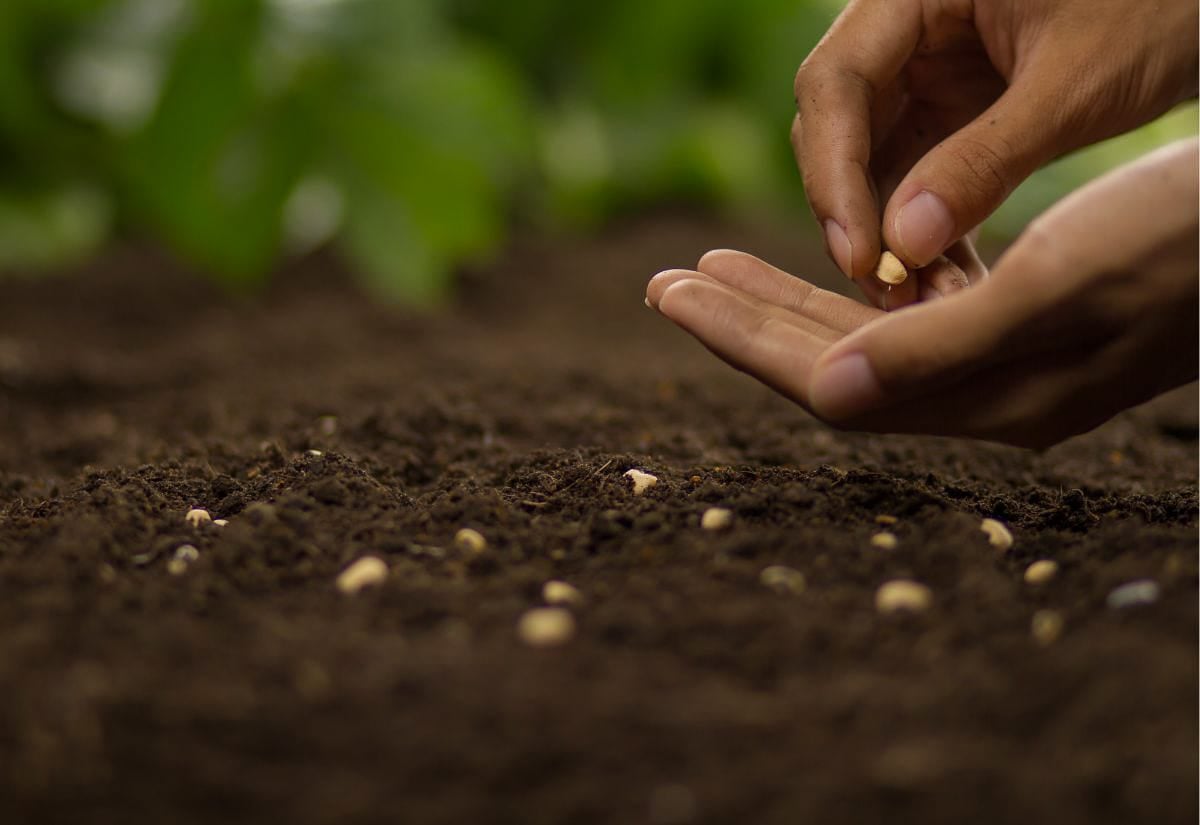
What I’ve learned over time is that gardens give you a lot of second chances. You’re allowed to change your mind. Very little about gardening is permanent, even if it feels that way at the start.
Start Here Before You Buy or Plan a Single Thing
Before you make a list or buy a single thing, stop and ask yourself one simple question.
Why do you want a garden right now?
Not someday. Not the ideal version of you with unlimited time. Right now.
Maybe you want to grow a few vegetables to offset grocery costs. Maybe you want to be outside more. Maybe you’re curious and just want to see if this is something you enjoy. All of those reasons are valid, but they lead to very different gardens.
Things got easier when I stopped chasing the perfect garden and worked with what I had time for. Write your reason down. One sentence is enough. Let that reason guide every decision that comes next.
Starting Small Is Not a Cop-Out
If there’s one thing worth remembering, it’s this.
Your first garden does not need to feed your family. It does not need to be efficient. It does not need to be impressive. Its only real job is to teach you something and help you decide if you want to keep going.
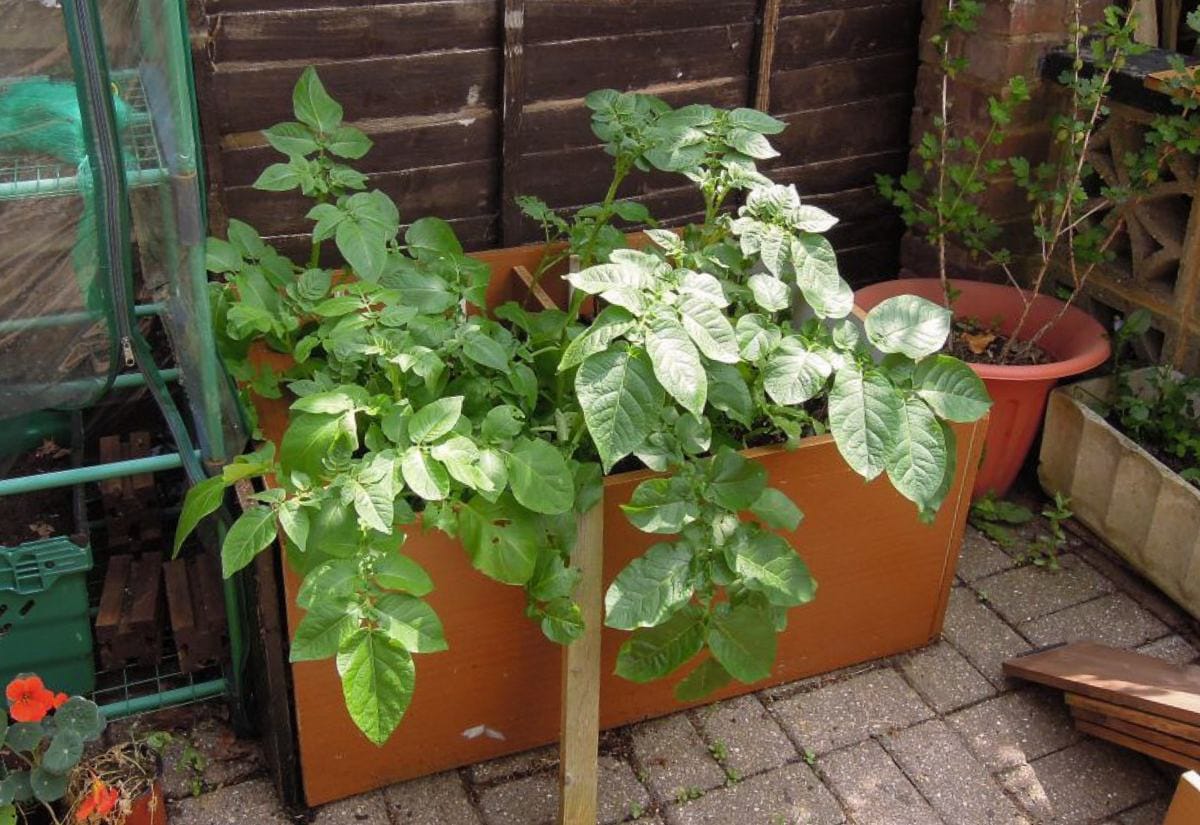
Starting small doesn’t mean you aren’t serious. It means you’re paying attention. I’ve seen far more gardens fail because they were too ambitious than because they were too simple. One raised bed. A few containers. Even a single plant on the porch counts. And if space is what’s holding you back, I’ve written more about how to grow food even if you don’t have a traditional yard. You don’t need acres. You need a starting point.
What’s Worth Planning in Your First Garden
You don’t need a binder. You don’t need a spreadsheet. You definitely don’t need to map out every season for the next five years. These are the few questions I’d start with:
- How much time can I realistically give this each week?
- How much space do I want to manage?
- What do I actually want to eat?
- How much money am I comfortable spending this year?
That’s it.
If you want help cutting through the noise, I’ve broken this down more clearly in a post about what you really need to start a garden and what you can skip for now. Fewer decisions upfront makes everything feel lighter.
What’s Worth Worrying About Now (And What Isn’t)
Early gardening advice often treats everything as equally important. It isn’t.
In the beginning, focus on sunlight, access to water, and soil you can work with. Detailed layouts, companion planting charts, and specialty tools can wait. If you’re working with limited space, this guide on growing vegetables in small spaces without sacrificing sanity can help you narrow your focus even more.
Plants are more forgiving than the internet makes them seem. Most of my early successes came from decent soil, enough sun, and showing up consistently. Not from getting every detail right. When you’re stuck choosing between ten things, choose the one that gets you outside and started. Starting messy works better than waiting for perfect.
Choose Plants That Make This Easier
Seeing something grow does more for confidence than any plan.
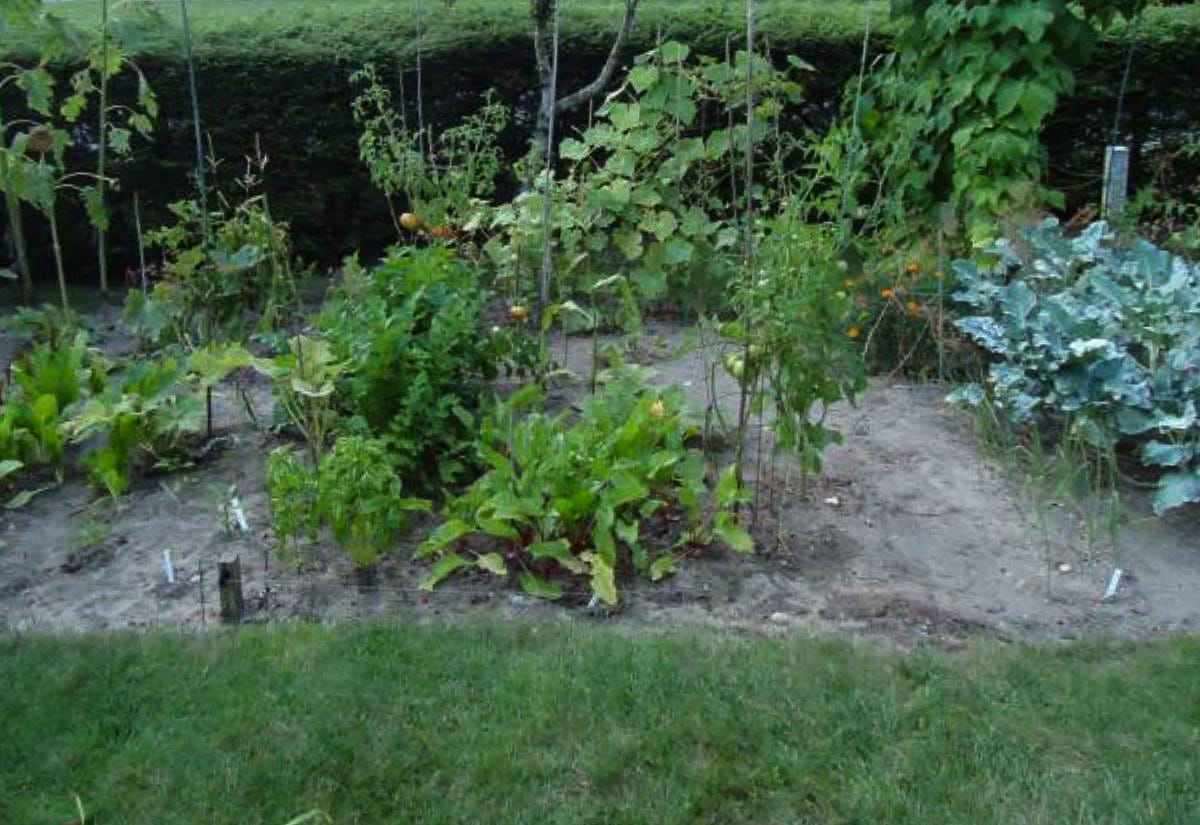
If everything you plant feels finicky or slow, it’s easy to lose interest fast. Starting with forgiving crops makes a huge difference. When in doubt, start with plants that don’t demand perfection. I put together a list of vegetables that grow well even if you’re busy or forgetful, and it’s one of the easiest ways to stack the odds in your favor early on.
What Your First Garden Will Probably Look Like
This is the part most posts skip, so I want to say it plainly. Your first garden will probably look messy. Some things won’t grow. Others will surprise you. You might overwater. You might forget to harvest. And none of that means you’re bad at this. A real first garden is a learning space. It shows you what you enjoy, what you don’t, and what you want to change next time. You cannot get that clarity from research alone.
Common Questions When You’re Just Getting Started
Still feeling unsure? These are questions I hear all the time from new gardeners.
Pin this for the days when gardening feels exciting and overwhelming at the same time.
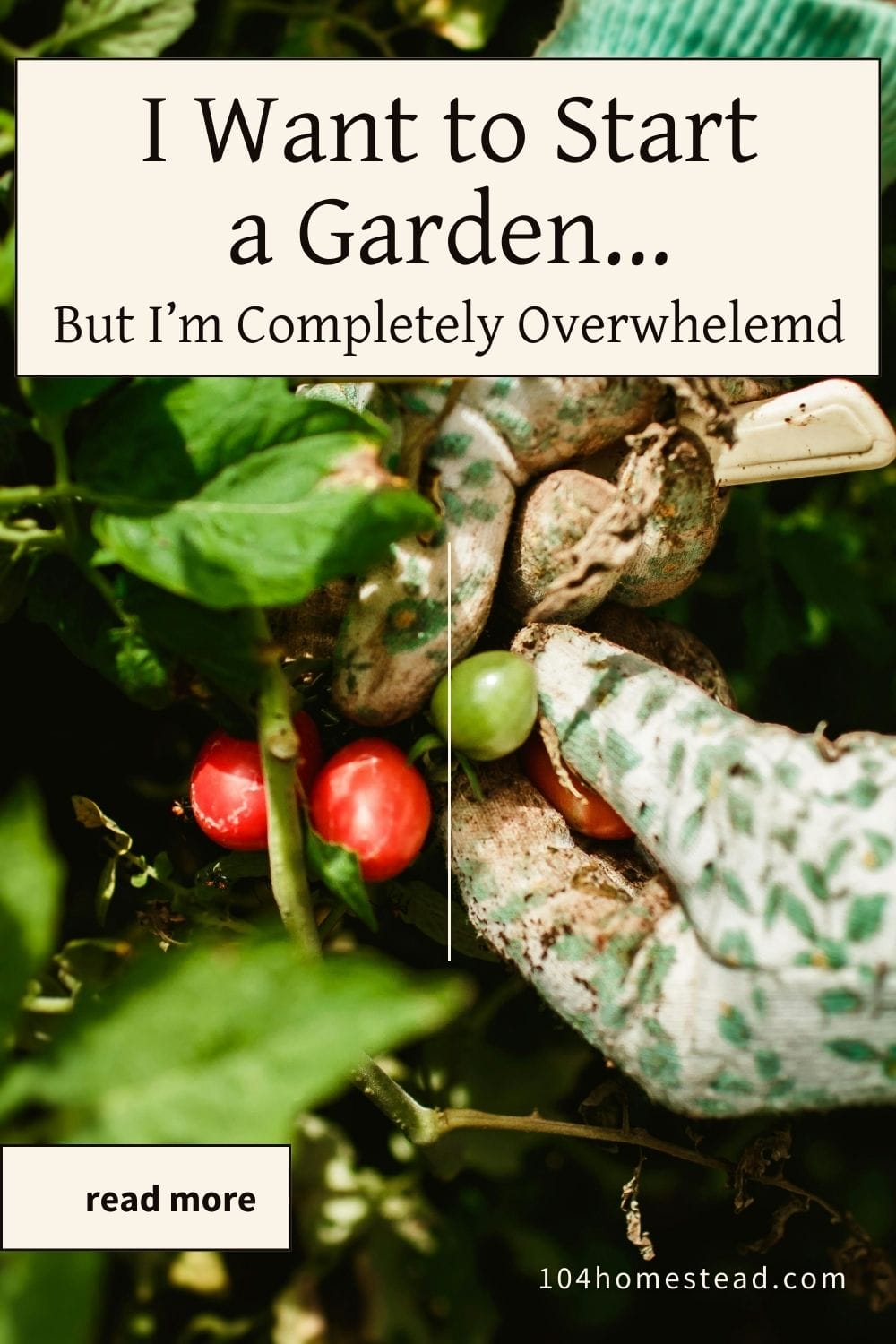
Gardening isn’t something you pass or fail. You learn it by doing, messing up, and trying again.
The people who grow the best gardens aren’t the ones who planned perfectly from day one. They’re the ones who started when things felt a little uncertain, paid attention to what worked, and adjusted as they went. That’s it.
Leave a comment and tell me what part of starting a garden feels most overwhelming for you right now. You’re definitely not the only one feeling this way.