What You Really Need to Start a Garden + What You Don’t
Feeling overwhelmed by garden advice? Learn what you actually need to start a garden, what you can skip, and how to keep it simple from day one.
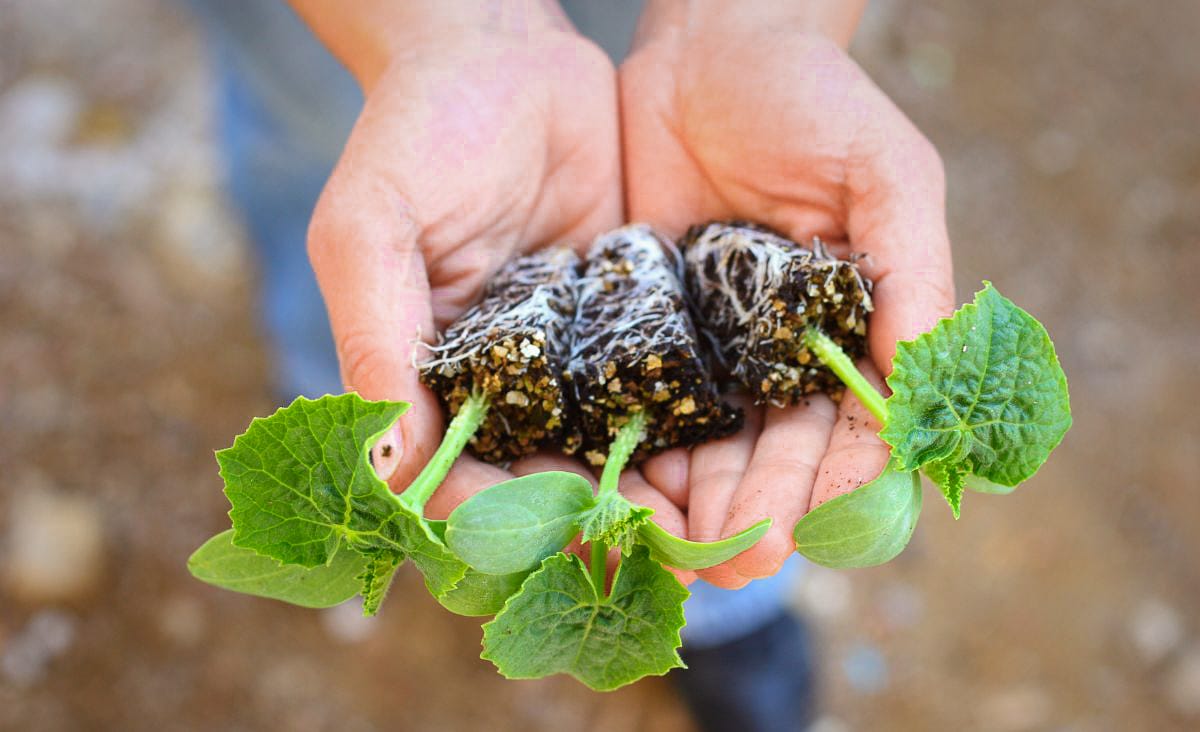
Starting a garden has a way of making people feel behind before they even plant a single seed. You google “how to start a garden,” and five minutes later you’re buried in lists of raised beds, soil mixes, tools, gadgets, and stuff you didn’t know existed. It’s a lot.
I’ll be honest. When I first started growing food, I assumed I needed way more stuff than I actually did. I thought I was unprepared if I didn’t have the “right” setup. Turns out, most of what I needed couldn’t be bought in a garden center aisle.
If you’re feeling stuck or overwhelmed, let’s slow things down for a minute. I want to focus on what’s worth worrying about, what can wait, and what you don’t need yet
Start With the Right Mindset (Not a Shopping List)
One of the biggest mistakes I see new gardeners make is trying to fix uncertainty by buying more stuff. If you’re feeling stuck in that spiral, you’re not alone. I’ve written before about what it feels like when you want to grow food but don’t know where to begin, and why overwhelm is often the first real hurdle, not soil or seeds.
Here’s the thing… you don’t need to know everything. You just need to know what matters right now.
The Real Non-Negotiables for Starting a Garden
Before you think about tools, beds, or supplies, these are the things that determine whether your garden succeeds.
Sunlight Comes First
Plants need light. Everyone knows that, and yet it’s easy to ignore when planning everything else. If you’re not sure how much sun you get, you don’t need an app or gadget. You can figure it out the old-fashioned way by watching where the sun moves during the day.
And if your yard doesn’t get full sun everywhere, that doesn’t mean you’re out of luck. You can still grow food in less-than-perfect conditions.
Soil Matters More Than Tools
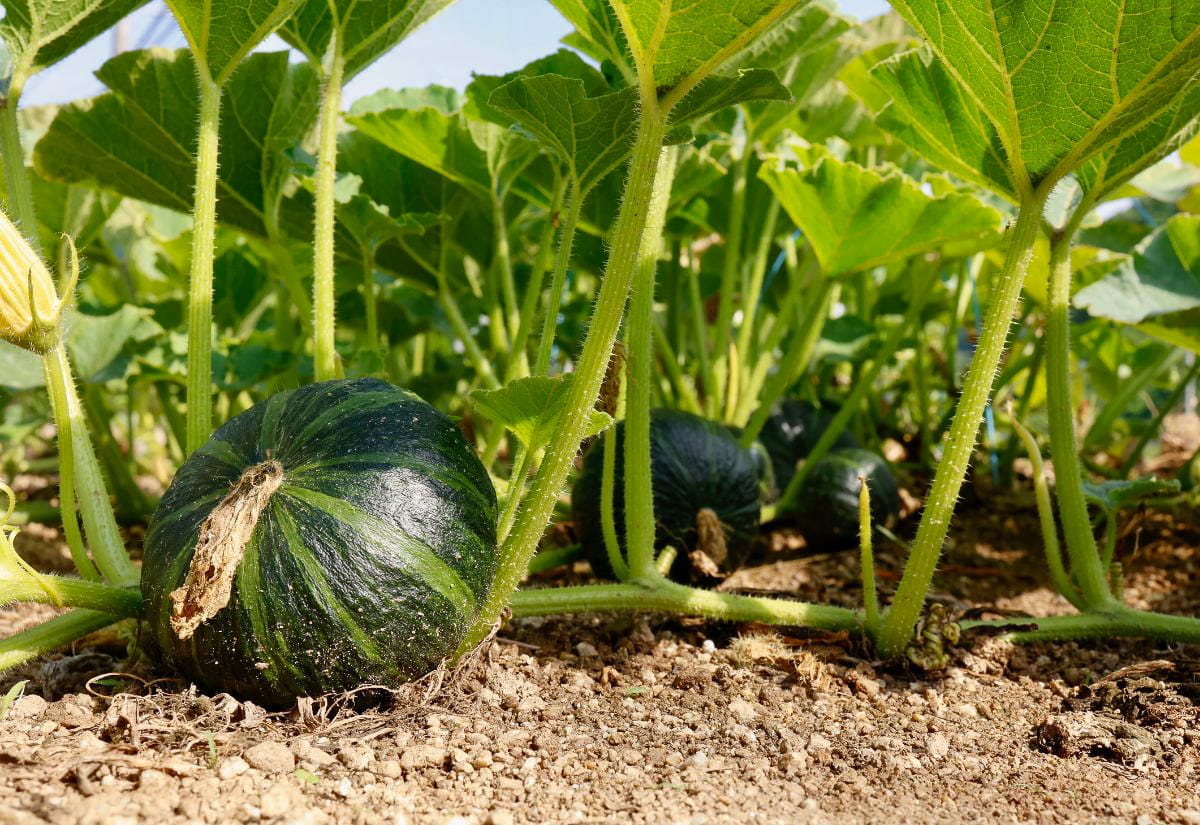
Good soil does more for a garden than any tool you can buy.
You don’t need perfect soil to start, but you do need to understand what you’re working with. If your ground is compacted, depleted, or just plain sad, there are ways to rebuild it over time without tearing everything out and starting from scratch. Soil improvement is something you build over seasons.
This is also where many beginners get tripped up by overthinking techniques. You don’t need to dig deep or follow a specific method right away. Digging and rotating your soil is a choice, not a rule, and it’s something you can figure out as you go.
A Reliable Water Source
This one’s simple but critical. If watering your garden feels like a chore from day one, it won’t last.
You don’t need irrigation systems or timers at the start. You just need a way to water consistently that fits into your routine. A hose, a watering can, or even repurposed containers can work fine when you’re starting small.
What You Really Need to Grow Plants
After sun, soil, and water, there really isn’t much else you need. Basically:
- Something to plant in (ground, containers, or raised beds)
- Plants or seeds suited to your conditions
- A basic way to tend and observe what’s growing
If you’re working with limited space, starting a garden in small or unconventional areas is not only possible, it’s often easier to manage. Containers, small beds, and tucked-away corners can be incredibly productive.
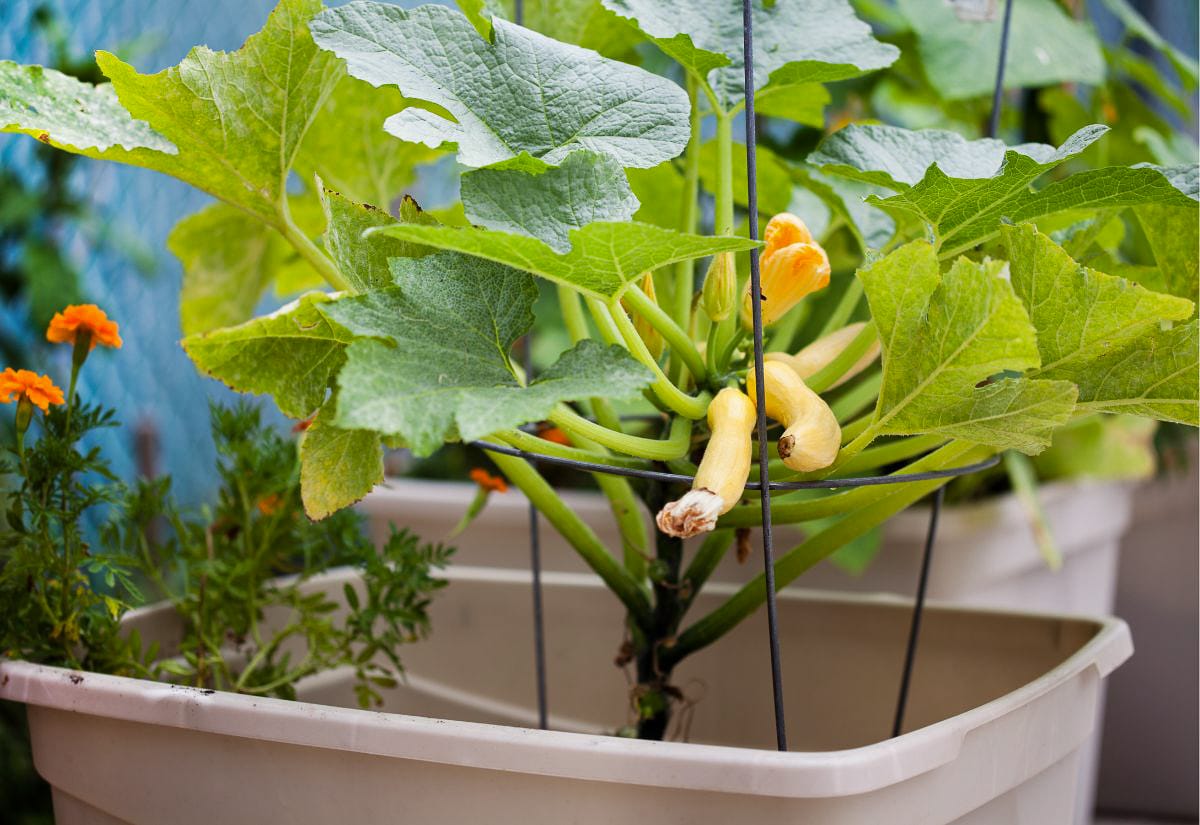
And if you don’t have a yard at all, growing food in nontraditional spaces opens up more options than most people realize.
Tools That Help (But Aren’t Required Right Away)
Tools can help, but you don’t need them to get started.
Early on, the only tools I reached for regularly were my hands, a basic shovel, and something to carry weeds in. Everything else came later, once I understood what my garden needed. You can borrow tools, share with neighbors, or wait until a task truly demands something specific. Most of that gear just ends up sitting around the first year anyway.
What You Don’t Need (Despite What the Internet Says)
This is the part I wish more people heard early on. You don’t need:
- Raised beds to “do it right”
- Matching containers or aesthetic setups
- A long list of specialty tools
- Perfect timing or perfect conditions
I’ve seen too many people stall out because they thought they had to decide everything upfront. You don’t.
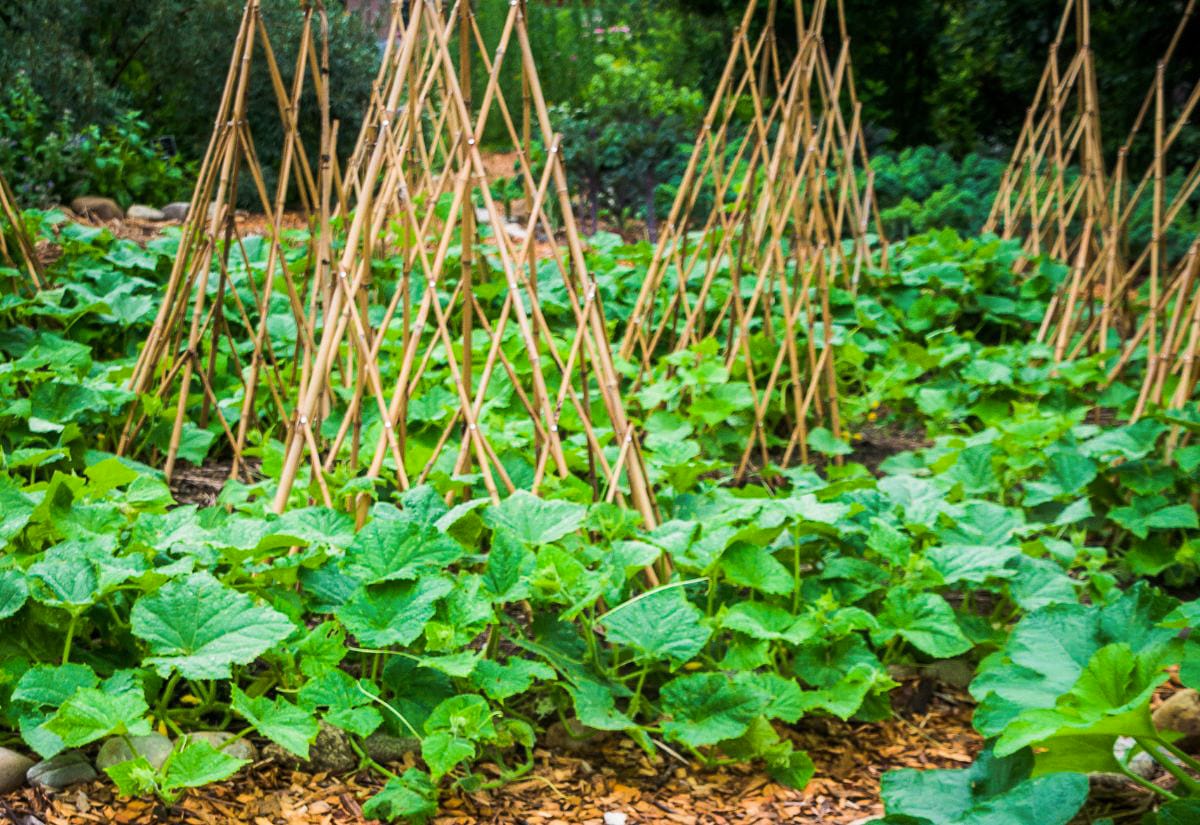
You learn gardening by trying things and seeing what happens. Once you start planting, patterns become obvious. That’s when it makes sense to add supports, trellises, or structures. Until then, simple solutions work just fine. There are plenty of low-cost and no-cost ways to support plants when they need it.
Start Small on Purpose
Small gardens are easier to keep up with, especially at first. A modest garden is easier to water, easier to observe, and far less overwhelming. It also teaches you what you enjoy growing and what fits your lifestyle.
When people ask me how many plants they should start with, my answer is almost always fewer than they think. It’s better to manage a small space well than to struggle with more than you can keep up with.
Choose Easy Wins for Your First Garden
If you’re unsure what to grow first, lean toward plants that don’t demand perfection. Some vegetables forgive mistakes and still produce, which is exactly what you want early on. Starting with low-maintenance crops builds momentum. Success, even small success, keeps people gardening.
Things People Usually Wonder Before They Start a Garden
Still have questions? Here are a few things people often wonder when they’re just getting started.
Pin this to come back to when you’re ready to start a garden and want to keep things simple from the start.
You’re allowed to start a garden exactly where you are. You don’t need the perfect setup, the perfect tools, or the perfect plan. You need sunlight, soil, water, and to notice what’s working and what isn’t. Everything else can come later.
If you’re already growing food, I’d love to hear what you wish you’d skipped in your first garden. And if you’re just getting started, tell me what’s holding you back right now. Drop a comment below and let’s talk it through.