
How I Prepare My Homestead Animals for a Maine Winter
Get real-life winter livestock care tips from a Maine homesteader. Thick bedding, thawed water, and healthy animals all winter long.
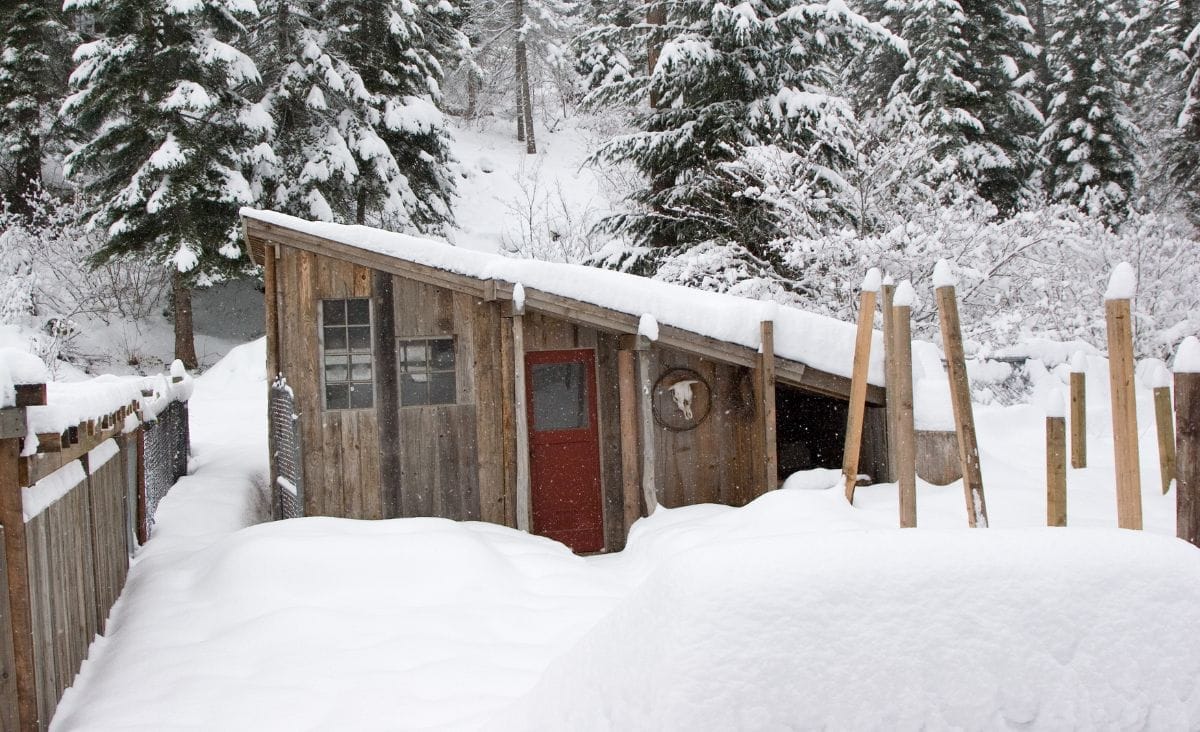
Winter is creeping in again here in Maine, and I’ll admit, I’m never quite ready when it arrives. The other morning, I found a thin layer of ice on the goat buckets, and the chill had me piling on layers before heading out to milk. As I wrapped my hands around those warm udders and watched steam rise from the pail and right then I knew it was time to start getting ready for winter.
Whether you’ve got a few backyard animals or a small barn full of livestock, a little prep before the deep freeze makes all the difference. Here’s how I get everyone (goats to quail and everything in between) ready for winter, and a few mistakes I’ve made enough times to finally stop repeating.
Why Winter Prep Matters More Than You Think
When you live somewhere that measures snow in feet, not inches, small oversights can turn into big problems fast. When water freezes solid, bedding gets damp, or the wind whips through a drafty barn, your animals feel it fast and so do you when you’re out there breaking ice twice a day.
Once everything’s squared away, winter chores get a whole lot easier. No mad scrambles in a blizzard, no soggy bedding surprises, just healthy, dry animals so you aren’t day-dreaming about moving to Florida. If you haven’t already tackled the bigger-picture homestead tasks, you might want to start with my guide on how to prepare your homestead for winter. It walks you through everything from garden beds to the barn.
The Homestead Animal Winter Prep Checklist
Every farm is different, but these are the things I check off before the cold settles in:
- Inspect shelters and gates. Make sure doors clear snow, roofs don’t leak, and hinges aren’t frozen in place.
- Deep clean animal areas. Do one last big clean-out while it’s still warm enough that the hose won’t freeze.
- Stockpile feed and bedding. You don’t want to haul 50-pound bags through a snowbank.
- Check for drafts, not airflow. Ventilation is critical, but cold gusts near roosts or bedding areas are not. You can easily throw together a few DIY windbreaks.
- Plan water access. Heated buckets, rubber dishes, or insulated bottles are lifesavers once temperatures drop.
If you’re still sorting out water in the cold, I’ve got a post on keeping livestock water from freezing. It includes both electrical and off-grid methods.
Winter Care by Species
Every species handles winter a little differently. What works for your chickens might not be right for your goats or rabbits, so I’ve broken down what I do for each group on my own homestead.
Chickens: How to Keep Your Flock Healthy Without Heat
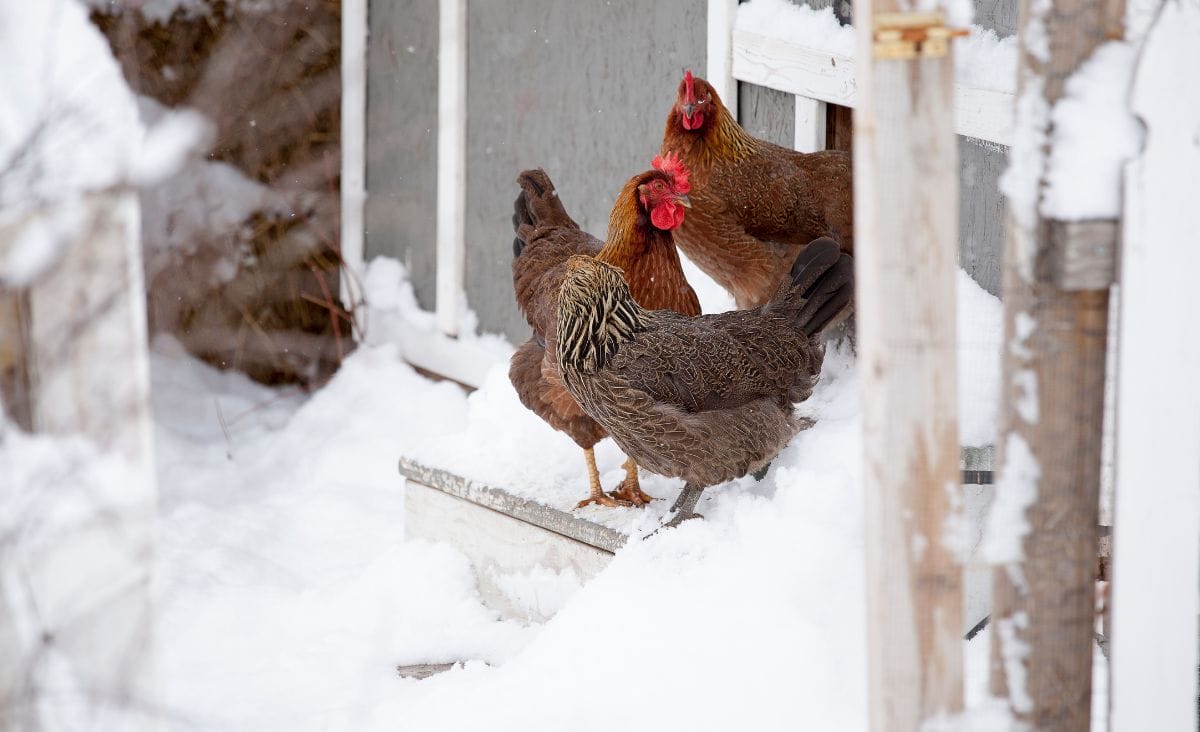
I don’t heat my coop, and my hens do just fine. What keeps them healthy isn’t heat. It’s dry bedding and good airflow. Make sure your coop is draft-free but not airtight, and use the deep litter method to build natural insulation as bedding breaks down.
Even when the snow’s knee-deep, my hens still want a little sunshine. I shared what works for me in where to free range chickens in winter, but the short version is: just clear them a path, set up a windbreak, and toss a handful of scratch to get them moving.
If you want more on keeping hens happy and laying once it’s freezing out, take a look at chickens in winter: what do they need to stay warm?
Ducks: Keeping Waterfowl Warm and Dry
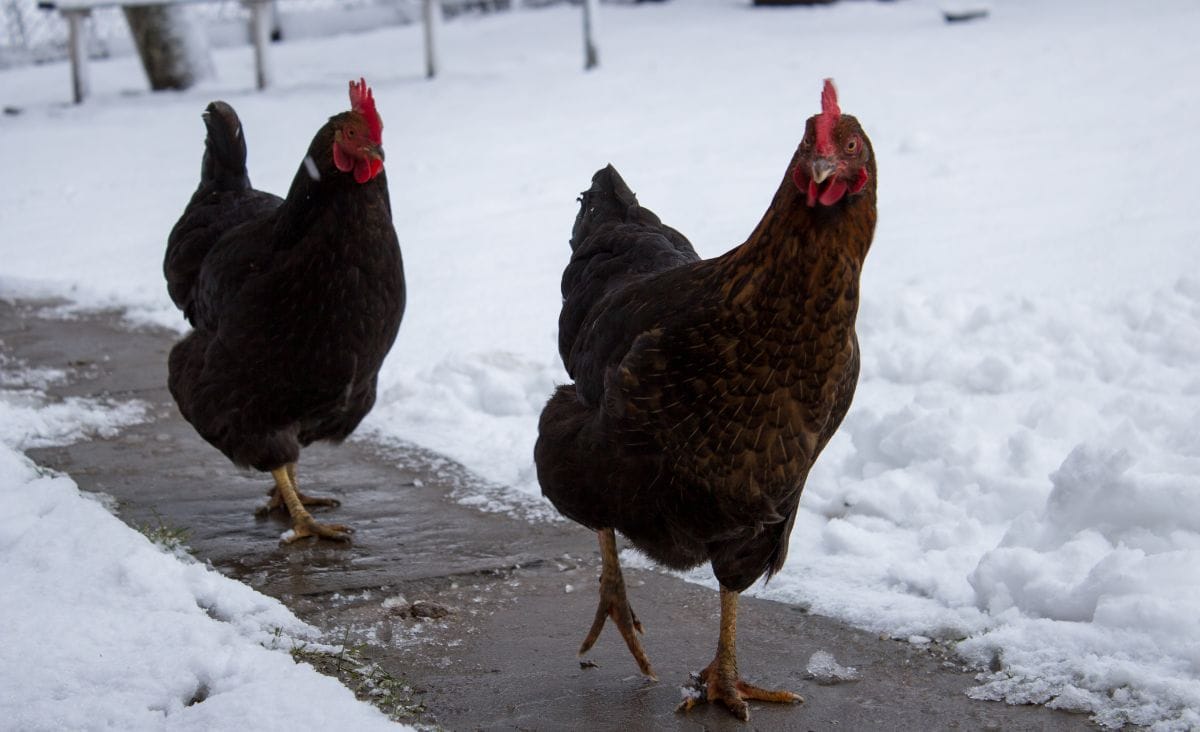
Ducks are surprisingly hardy, but they struggle with deep snow. I keep a cleared path between their coop and a small open water area (a deep rubber bowl filled just enough for splashing, but not enough to turn the run into a swamp). Keep bedding dry. It’s the best way I’ve found to keep their feet from freezing.
I swap out wet straw often and make sure they have shelter from wind. They’ll still insist on sitting in puddles, but at least they have a warm, dry spot to waddle back to.
Goats: Shelter, Grooming, and Staying Dry
Goats can handle snow just fine. It’s the wind and rain they can’t stand. A dry, draft-free shelter and good bedding is all they need. No heat required. I brush mine out in late fall to remove old undercoat and check hooves before the ground freezes.
If your goats share space with chickens or ducks, make sure they can escape the mess. Mine have their own corner of the barn with raised bedding and a heated bucket.
Rabbits: Bedding, Wind Protection, and Water
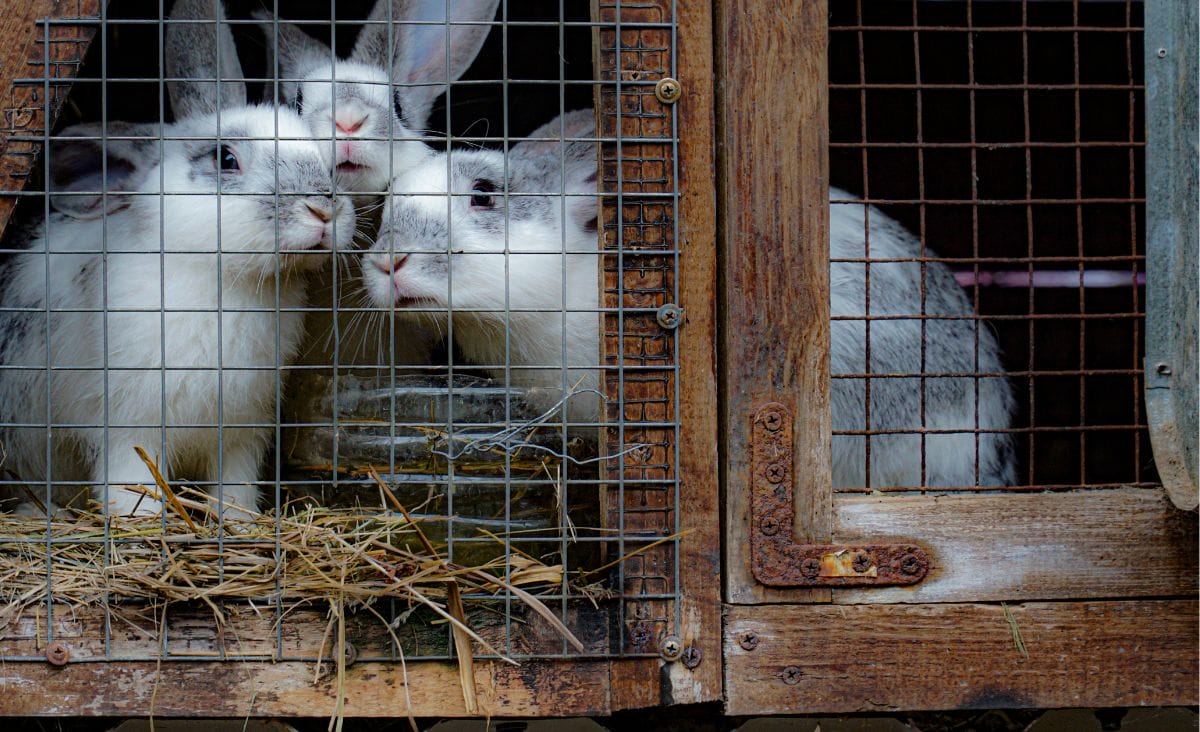
Rabbits handle cold better than heat, but they still need wind protection. I line their outdoor hutches with straw and add extra insulation on the north and west sides to block the worst drafts. Skip the plastic tarps. They trap moisture. Go for something that blocks wind but still lets air move. If you’re wondering what bedding actually works best, I talk through it all in choosing the right winter bedding for outdoor rabbits. I’ve tested pretty much everything at this point.
For water, I prefer crocks over bottles; they freeze slower and are easy to knock ice out of.
Quail: Shelter, Bedding, and Covey Size
Quail are tiny but tougher than they look. I group mine in coveys of 15 to 20 so they share body heat, and I keep their pens covered to block snow and wind. Thick bedding, decent airflow, and no heat lamps. That’s my rule of thumb. If you raise quail too, make sure they can get out of direct drafts. They’ll bunch up when it’s cold, and honestly, they handle Maine winters better than I do.
For a full breakdown of winter housing, feeding, and care specifically for Coturnix, head over to my hatchery blog to read How to Raise Quail in the Winter When It’s Cold.
Water (The Biggest Winter Struggle)
Frozen water is every homesteader’s nemesis. Heated buckets are my go-to these days. They save me from multiple daily trips with boiling kettles. I’ve tested them for several winters now and haven’t noticed any change in my electric bill.
Rubber feed dishes are worth their weight in gold. You can pop the ice out instead of cracking your buckets (ask me how many I broke before I learned that trick). I’ve tried just about every method out there, from heated cables to insulated DIY setups, so if you want the full rundown, head over to how do I keep my livestock’s water from freezing.
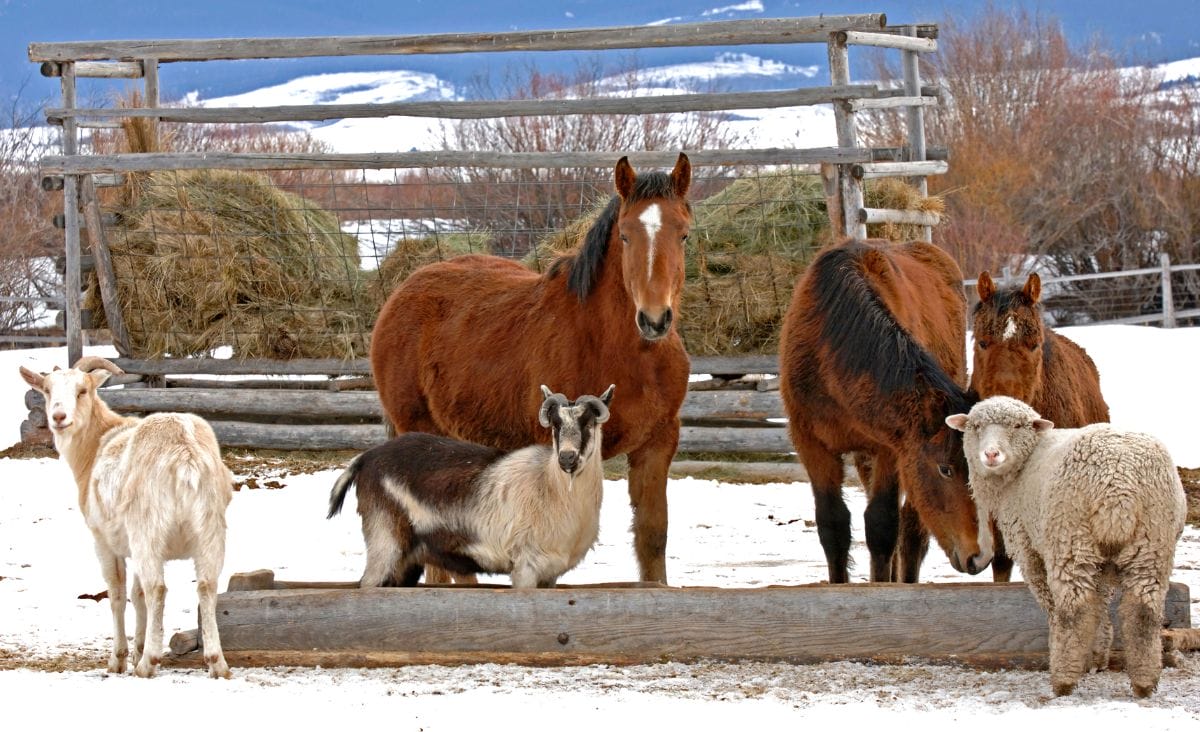
Common Winter Livestock Mistakes
Even with the best intentions, a few things trip up new keepers every year:
- Overheating coops or barns. Heat lamps cause condensation, ammonia buildup, and fire risk. Dry bedding and airflow are safer.
- Neglecting ventilation. Sealing everything tight traps moisture and leads to frostbite.
- Letting bedding stay damp. Wet bedding + cold air = respiratory issues.
- Waiting too long to prep. Frozen locks and hoses will remind you why fall prep matters.
- Ignoring gates and doors. Raise or reinforce them before snow piles up. I once spent a whole winter scaling a fence just to get to the goats. Never again.
Most of these lessons I learned the hard way. Usually in a snowstorm… always before coffee.
Common Winter Livestock Questions
Here are a few things people often ask as winter draws closer.
Getting ready for winter on your homestead? Pin this guide so you’ll have it handy when the frost sets in.
I used to dread this time of year, but now I see it as my reset. One last round of chores before everything slows down.
Preparing your animals for winter might feel like one more thing on a never-ending list, but once the snow starts flying, you’ll be glad you did it early. Every year I tweak something and learn a new trick, but it always comes back to this… keeping everyone dry, safe, and hydrated until spring.g: keep everyone dry, safe, and hydrated until spring.
If you found this guide helpful, share it with your fellow homesteaders or save it to Pinterest so you can come back to it when the first frost hits. And if you’ve got a winter prep trick of your own, I’d love to hear it in the comments.
This is awesome that you consolidated winterizing all these animals. We hope you soon getc etc farm and have all kinds of animals. This wwill definitely come in handy in the iowa winter
Thanks for sharing our posts! Keeping our animals safe and warm through the winter is so important!