
How to Make Groceries Last Longer Between Shopping Trips
Groceries are expensive. Learn how to store groceries so they last longer using simple habits that reduce waste and work in a normal kitchen.
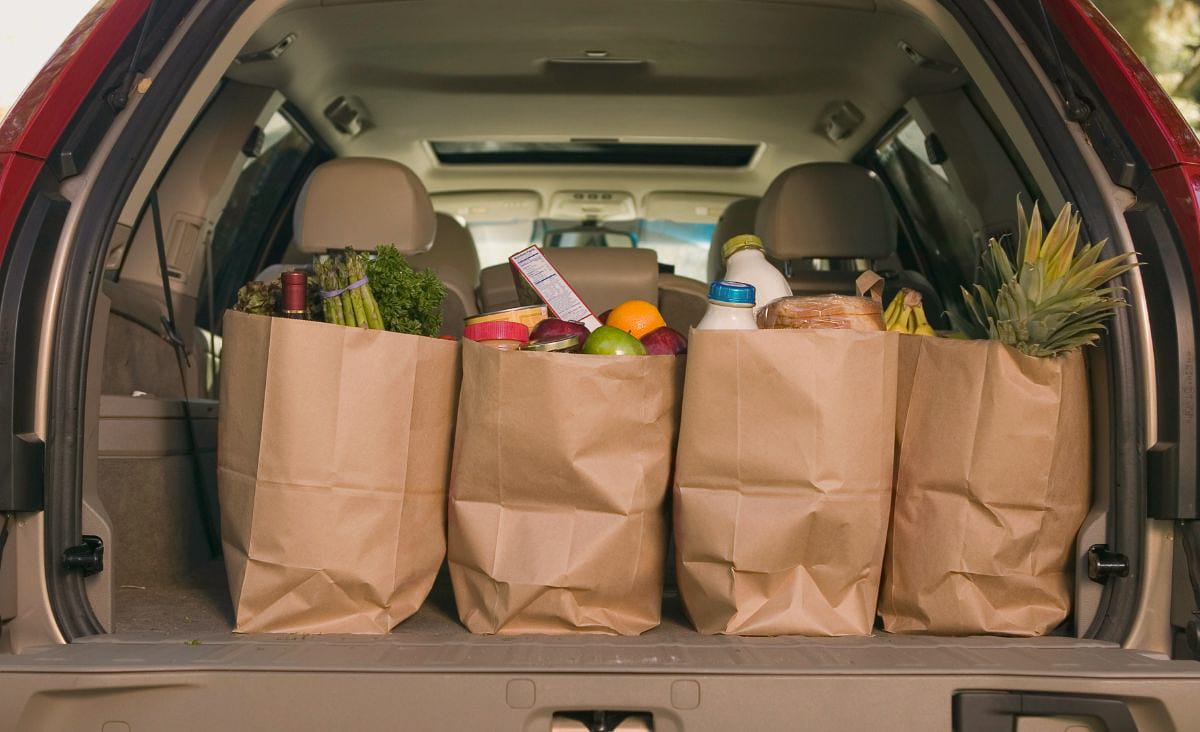
Groceries are expensive right now. There’s no getting around it. And if you’re trying to eat real food, cook at home, or stretch shopping trips longer than a few days, watching food go bad feels like throwing money away.
I used to hit that mid-week slump where the fridge looked full… but somehow everything inside it was limp, slimy, or questionable. Wilted lettuce. Grapes starting to fuzz. Bread that somehow went stale and moldy at the same time. It felt like tossing money straight into the compost bucket.
The fix wasn’t better containers or reorganizing the fridge one more time. It was learning how different foods behave and storing them in ways that work for real life.
Why Food Doesn’t Last as Long as It Should
Most food waste doesn’t happen because we waited too long to eat something. It happens because of moisture, airflow, temperature swings, and storage combinations that don’t play well together. These are the big ones:
- Washing produce too early and trapping moisture
- Overcrowding the fridge so air can’t circulate
- Storing ethylene-producing fruits next to everything else
- Putting dairy and milk in the fridge door where temps fluctuate constantly
You don’t need to do everything perfectly. You just need to stop a few of these habits.
What I Do to Keep Produce from Going Bad
Produce is where most grocery money gets wasted, so this is where small changes make the biggest difference.
How I Keep Grapes from Getting Moldy
Moisture is the fastest way to ruin grapes. Even a little condensation speeds up mold.
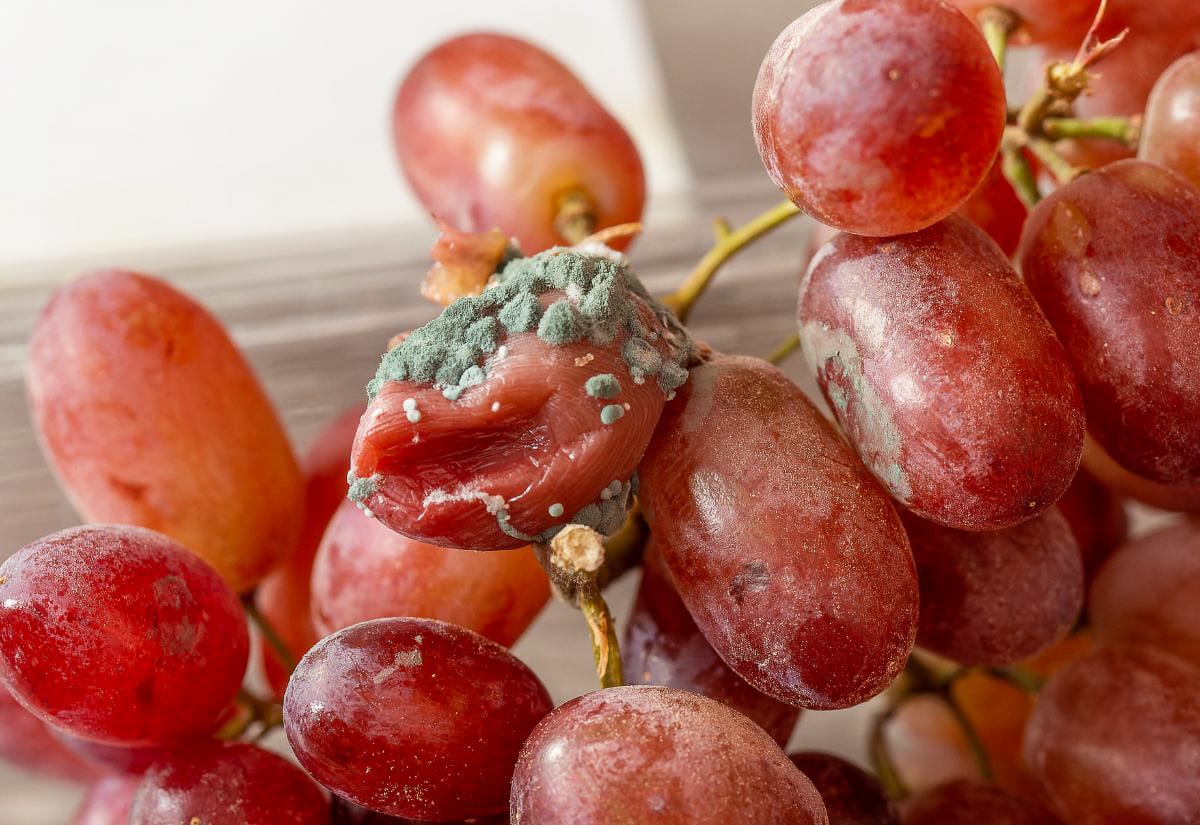
I keep them unwashed until right before eating, and I store them in breathable produce storage bags instead of sealed plastic. Those bags let moisture escape while still protecting the fruit, and they help a lot with grapes, greens, and berries.
Lettuce and Greens That Don’t Turn Slimy
Lettuce wants two things: cold temperatures and dry leaves.
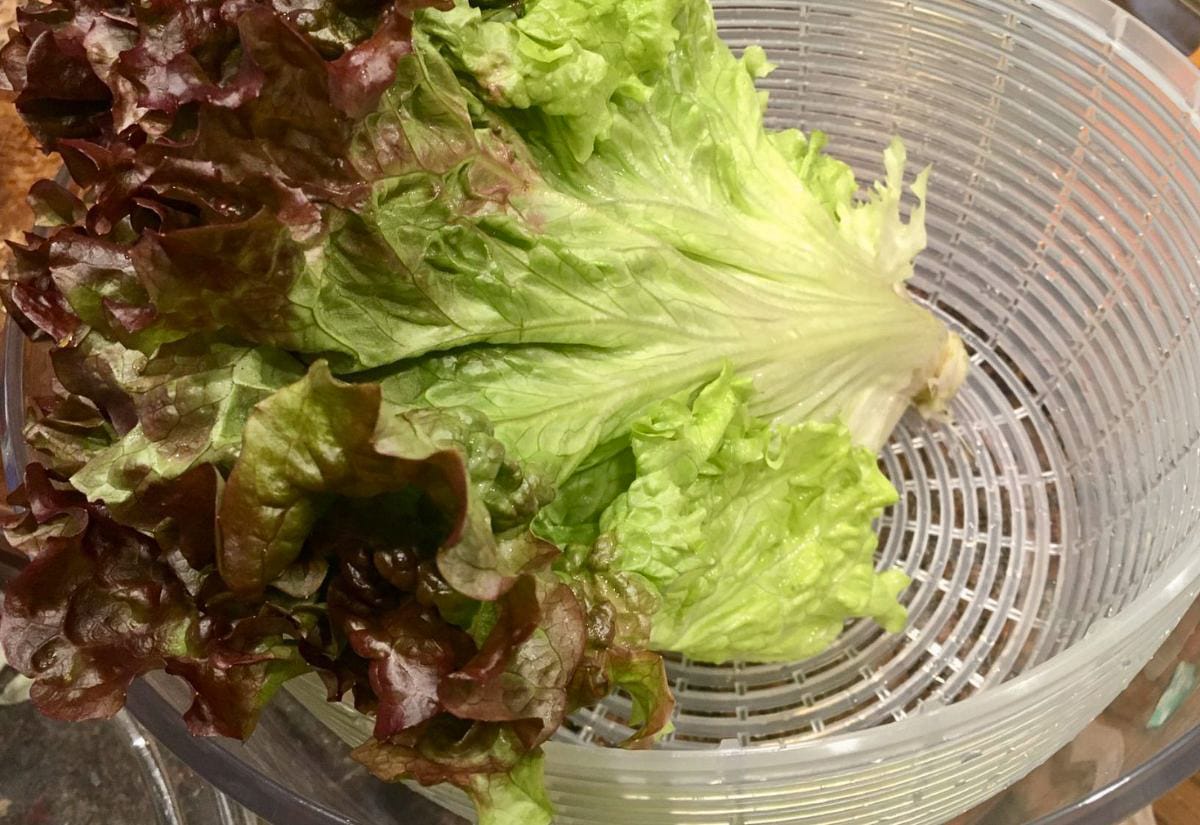
If greens are limp when I get them home, I’ll soak them briefly in cold water to perk them up, then dry them thoroughly. A basic salad spinner saves more produce than you’d expect. If water stays trapped on the leaves, slime isn’t far behind. Once dry, I wrap greens loosely in a towel and store them in the fridge. If the towel gets damp, I swap it out. That usually buys me a few extra days.
And when herbs start looking tired no matter what I do, I don’t fight it. I dry herbs instead of letting them go bad in the fridge.
Apples and Bananas Don’t Play Well with Others
Apples and bananas both release ethylene gas, which speeds ripening for everything around them.
I keep apples cold and separate whenever possible. Bananas I buy in stages and keep away from other produce. When a banana ripens faster than expected, I don’t stress. That’s usually when I pivot to baking or freezing instead of ignoring the obvious.
What I Do to Keep Bread from Going Bad
Bread is tricky because plastic traps moisture and the fridge dries it out. For everyday use, I store unsliced bread cut-side down on a board or in a breathable bag. If you like DIY solutions, a linen bread bag works well here.
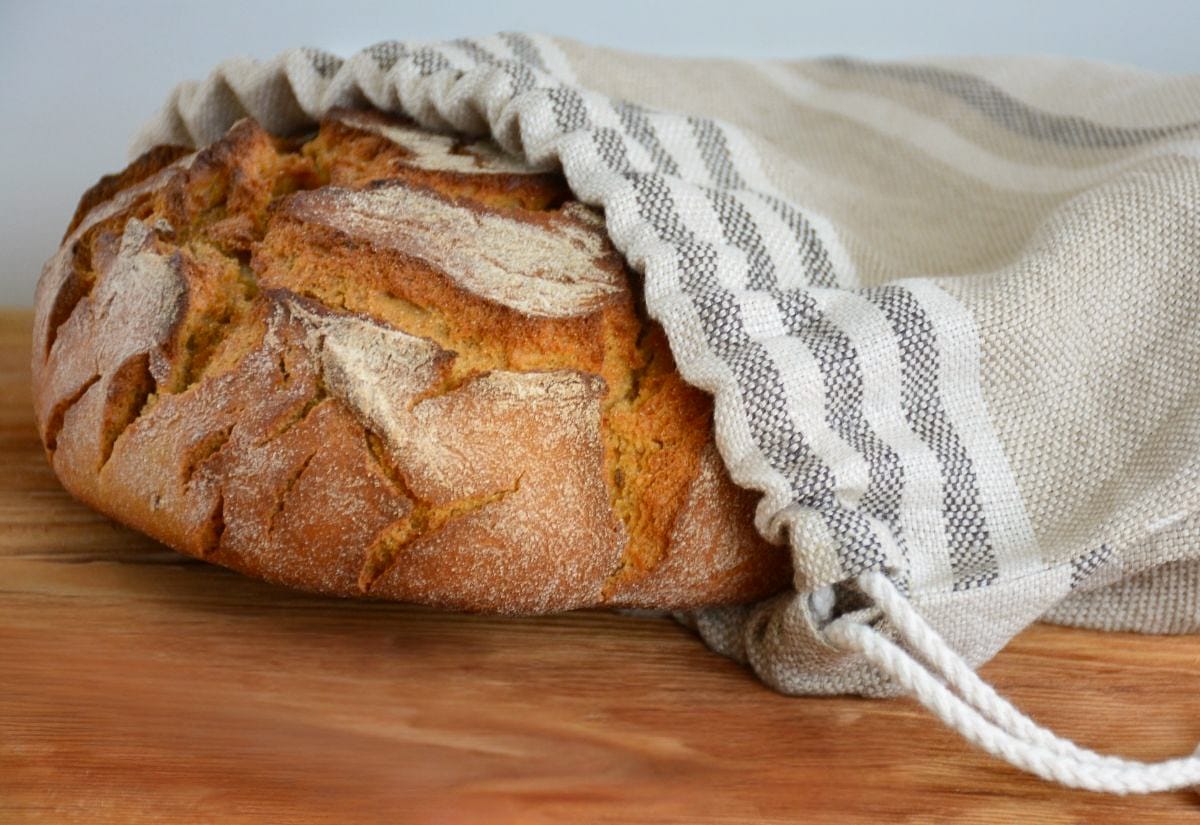
When bread does start to dry out anyway, I don’t toss it. I use stale bread to make croutons for soups and salads later in the week.
Where Milk and Dairy Last the Longest
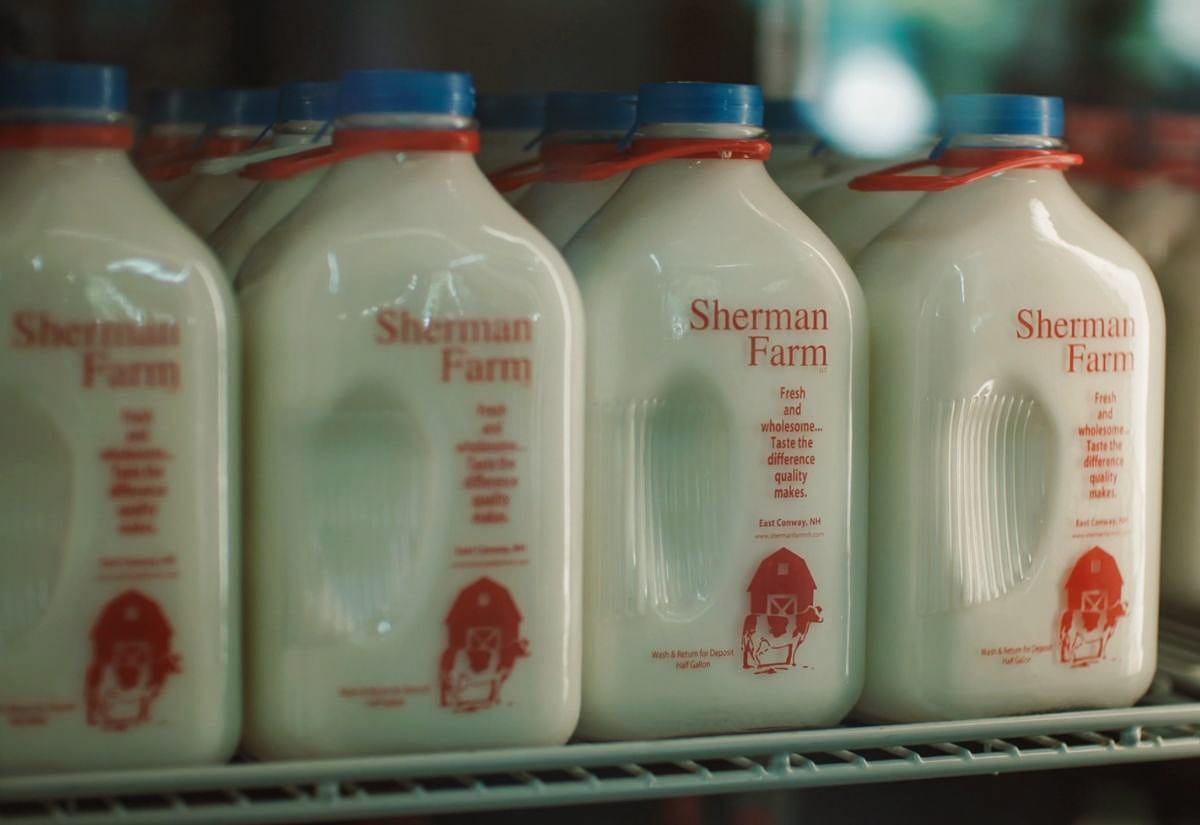
Milk spoils faster in the fridge door. That shelf looks convenient, but the temperature swings every time the door opens.
I keep milk and dairy toward the back of the fridge where temperatures stay steady. I also buy smaller containers more often instead of one large jug that sits open too long. Since doing that, we waste a lot less milk.
Using Groceries Before They Turn Into Waste
Even with good storage, some weeks are just busy. That’s where flexibility matters.
When I notice odds and ends piling up, I lean on meals that welcome leftovers. Things like quiche are perfect for this. Being able to use leftover vegetables, cheese, and eggs in one dish is an easy way to use up what’s hanging around.
It’s not just storage. It’s how you use what you have. Staying aware of your fridge helps more than anything.
Common Questions About Keeping Groceries Fresh
If you’re still trying to stretch groceries a little further, these are questions I hear a lot.
Pin this to save these grocery storage tips that will help your food last longer and cut down on waste.
You don’t need specialty containers or a perfectly organized fridge to keep food fresh. You just need to understand how food behaves and change a few small habits. Once I stopped blaming myself and started working with the food instead of against it, grocery waste dropped fast. Less stress and fewer “what is that?” moments.
If you have a trick that helps your groceries last longer, I’d love to hear it. Drop it in the comments.
I read that foil on stems help banana life. mine never last that long to tell … mmm
a quick rinse with diluted hydrogen peroxide then drain and store in baggie with paper towel for raspberries.
organic usually lasts longer if available and cost ok.
I add tiny amount of salt to gallon of milk. can’t taste but lasts a few more days. like 1/8 tsp? and shake well
Just found your blog. I like it so far. Thank you for spending the time on it for us..
You are so welcome Alexandra! I am so happy to have you here!
Hi a tip from my Grandma if you have limp letuce place in cold water with a lump of coal, wash the coal first, and leave for an hour or so it crisps up beautifly. Then put in a tea towel and shack out the water leave in the tea towel until you use it. It realy works.
Great tip. Thanks Chris!
might last even longer with coal but still helps. I put in baggy with paper towel and turn over every couple days to keep from getting soggy and rot.