
Fermented Cranberry Relish: A Simple, Make-Ahead Holiday Staple
A bright, tangy fermented cranberry relish you can make days ahead. Simple ingredients, safe salt ratios, and step-by-step tips for a reliable holiday ferment.
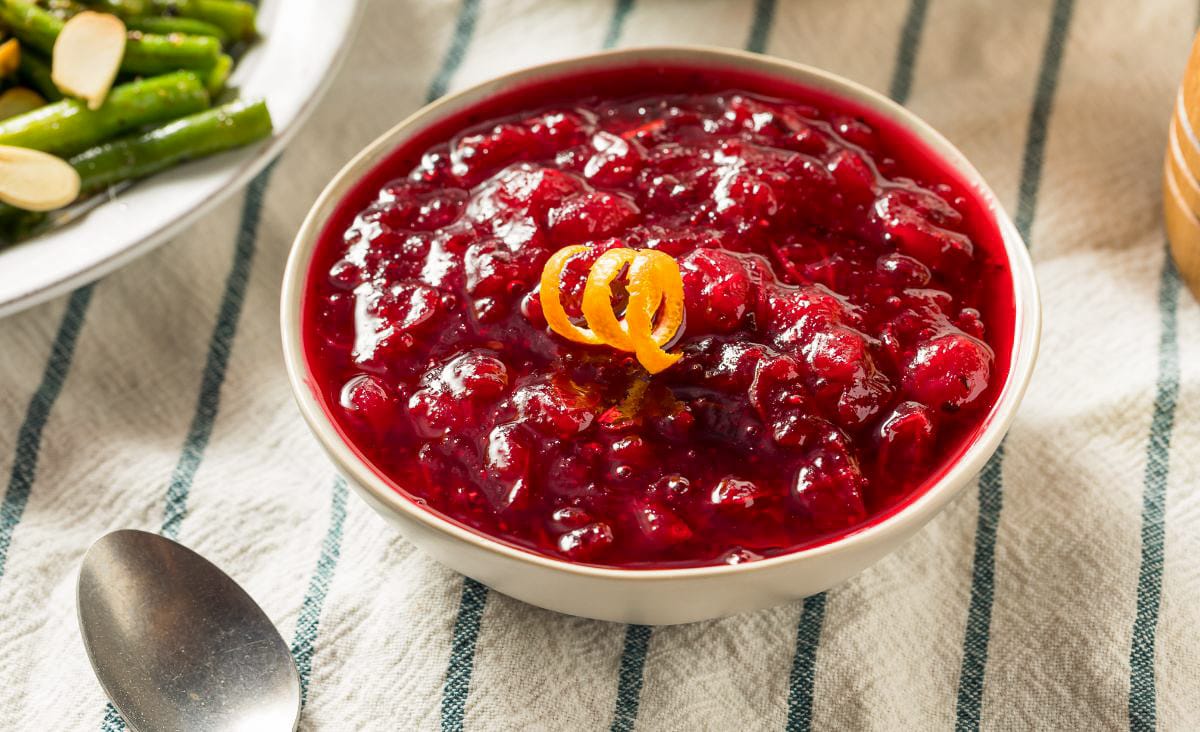
If you’ve ever found yourself elbow-deep in pie dough, turkey brine, and mashed potatoes all at the same time, you know cranberry sauce is usually the thing that gets pushed to the back burner. Fermenting cranberry relish saved me from that scramble. Instead of cooking cranberries at the last minute, you can prep this relish days ahead. And honestly, it gets better the longer it sits.
Fruit ferments have their own personalities compared to kraut or pickles, but once you get used to it, it’s easy. I’ll show you how much salt to use, when starters actually help, and how to tell normal fermenting from “yeah, that needs to go.” You’ll have a bright, tangy relish that makes it seem like you tried harder than you did.
Why Fermented Cranberry Relish Works So Well
Cranberries are naturally tart and acidic, which makes them really easy to ferment. As soon as you mix the chopped berries with salt and citrus, they start turning into something much better than plain cranberries. The pectin thickens, the flavor softens and brightens, and you get a really nice, chunky texture and a deeper flavor than anything cooked.
What I love most is that this is done days before the holiday chaos starts. I usually prep a jar a week before Thanksgiving or Christmas, and it just keeps getting better. When the holiday rolls around, the cranberry dish is already done. And since it’s raw and fermented, it adds a nice bit of brightness to all the heavier dishes.
What You Need to Make Fermented Cranberry Relish
All you really need is a jar, a spoon, and a little patience. The only “specialty” item is a kitchen scale.
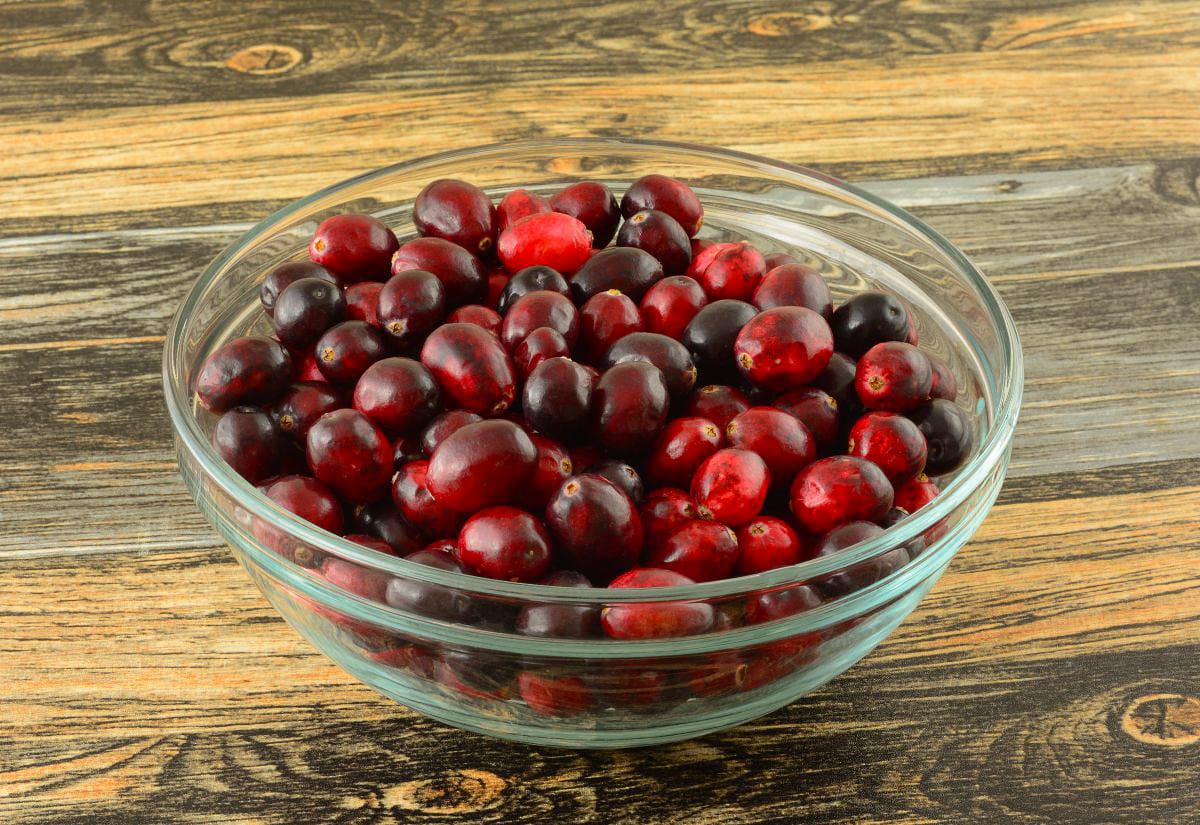
Cranberries: Fresh cranberries work best. Pick out any mushy ones. Frozen can work in a pinch, but they release more water, so you’ll have a wetter, slightly softer relish.
Filtered Water: Chlorinated tap water can slow fermentation or mess with what’s growing in your jar, especially with fruit. I stick to filtered or bottled water.
Salt: Use a fine sea salt or pickling salt. No iodine, no anticaking agents.
Citrus: Orange zest or peel adds brightness and helps balance the tartness. You can also try lemon or even a touch of lime if you like your relish sharper.
Sweetener (Optional): You don’t need sweetener. Fermentation will mellow the cranberries on its own. But if you prefer a more traditional holiday flavor, try:
- Honey (smooth, floral, great for pairing with citrus)
- Maple syrup (warmer flavor, very Maine-friendly)
- A tiny spoonful of sugar (helps jumpstart fermentation without making it sugary)
Starter Options: When You Need Them (and When You Don’t)
Salt on its own is plenty for a safe ferment. But if your kitchen is cool, or you’re brand-new to fermenting and want a little reassurance, a starter can give you a head start. Here’s when I reach for a starter and when I don’t:
Use a starter if:
- Your kitchen stays under 65°F
- You want the ferment ready in just a few days
- You’re impatient to taste (no judgment… I’ve been there)
Skip the starter if:
- You want the most cranberry-forward flavor
- Your home stays warm enough
- You prefer the simplest, cleanest ingredient list
Starter Choices
- Whey: Reliable, mild, and my usual first pick.
- Kombucha: Adds a citrusy lift.
- Brine from another fruit ferment: Gives it a boost without adding a bunch of extra flavors.
Salt Ratios That Keep Your Relish Safe (Without Making It Salty)
Salt does the job of keeping everything safe while it ferments. With fruit, we don’t eyeball it. We use percentages, and the sweet spot for cranberries is 2% salt by weight. Here’s how I keep the salt math simple:
- Weigh your chopped cranberries.
- Add enough water to just cover them.
- Weigh everything again.
- Multiply that total by 0.02. That’s your salt amount.
In a cold kitchen (hi from Maine in November), I use closer to 2.5–3% salt to keep things stable and fermenting like they should.
How to Make Fermented Cranberry Relish
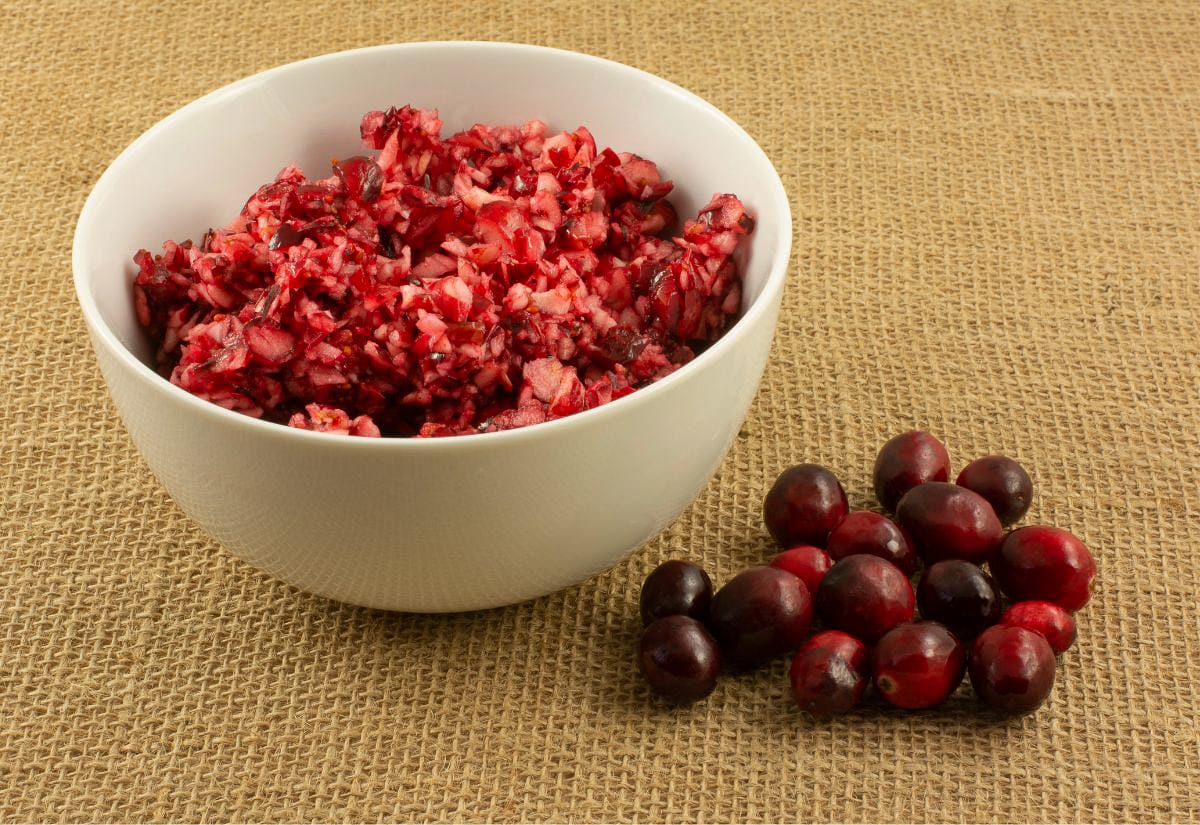
Prepare the cranberries. Give them a quick rinse. Pick out any soft berries (they’ll make the jar too mushy later). Chop the rest roughly. You want small pieces so the salt can work its way in, but don’t take it all the way to a paste unless you’re going for more of a sauce than a relish. A couple pulses in a food processor works great.
Add citrus and sweetness if you want. A bit of orange zest or peel goes a long way. Sweetener is totally optional, but honey or maple can smooth the edges if you think the cranberries are too tart. If you’re serving this with Thanksgiving or Christmas dinner, a small amount of honey gives it that familiar holiday flavor without making it sugary.
Use your 2% salt ratio. If you’re using whey or kombucha, add it now. Stir well so the salt dissolves evenly. If the salt isn’t dissolving easily, let the mixture sit for 10 minutes. The cranberries release more juice and it blends better.
Spoon everything into your jar and press down so the juice rises. Add a splash of filtered water to fully submerge the fruit. Place a fermentation weight on top. Cranberries love to float, so the weight really matters.
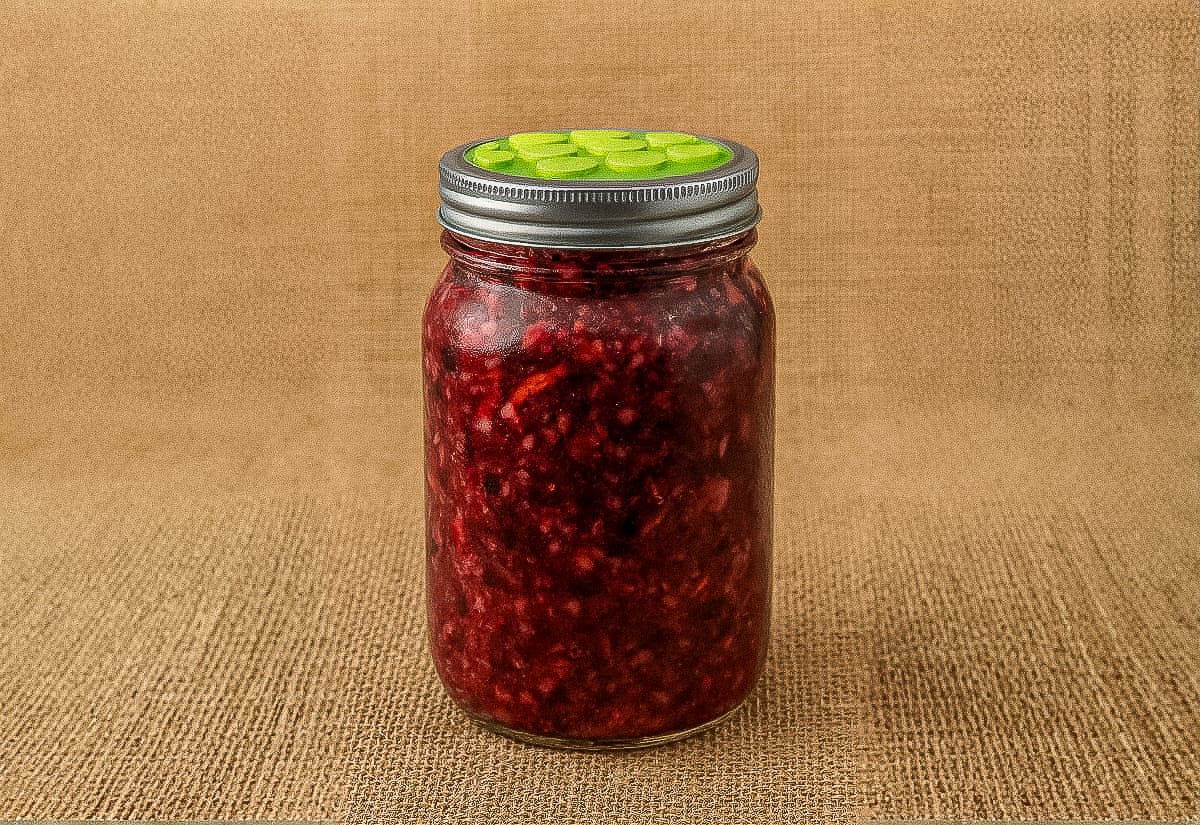
Put on a loose lid or airlock and leave the jar on the counter. Usually it’s ready in three to five days, but a cold kitchen will slow it down. Bubbles plus a soft fruity smell mean you’re on track. Give it the occasional taste. Once it hits that tangy, slightly fermented flavor you like, tighten the lid and move it to the fridge.
How to Store and Serve Fermented Cranberry Relish
Once it hits the flavor you love, pop the jar into the fridge. It’ll last 3–4 weeks, and the flavor gets better as it sits.
If you want ideas for using more of what you grow in your fall meals, check out my post on using homegrown ingredients at Thanksgiving or my four-day make-ahead guide for Thanksgiving guide. Both can help you plan around less last-minute cooking.
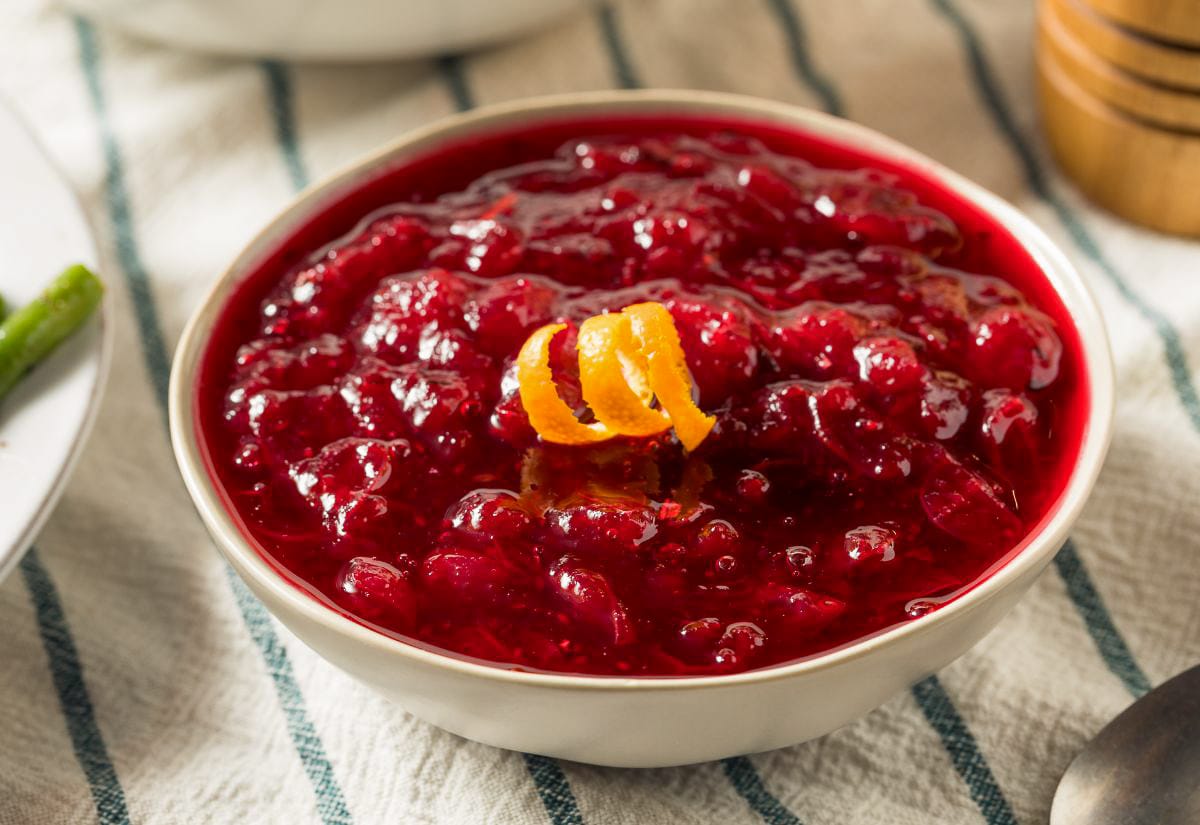
This relish goes really well with roasted chicken, pork, sandwiches, or even a sharp cheddar. My favorite use? A day-after-Thanksgiving turkey sandwich with a generous spoonful of this right on top.
How to Avoid Spoilage: What’s Normal and What’s Not
Fruit ferments act a bit different than veggies do, and what’s totally normal can seem strange at first.
Totally normal:
- Bubbles
- Cloudy brine
- A thin white layer of kahm yeast
- Cranberries bobbing up and down as it ferments
Not normal:
- Fuzzy mold
- Pink or black spots
- A harsh, rotten smell
- A slimy texture
- A jar that builds intense pressure
If something feels off, trust your senses. After a few batches, you’ll just know what normal looks like.
Your Cranberry Ferment Questions, Answered
Fermenting fruit brings up a few questions the first time around, so here are the ones I hear most often.
Pin this make-ahead cranberry relish so you’ve got it handy when holiday cooking sneaks up on you.
This is one of those small things I do that takes some pressure off during the holiday week. It only takes a few minutes to throw together, has a fresh, bright flavor you don’t get from cooked sauce, and means one less thing to deal with that week. It’s one of those recipes that makes you think, “Really? That’s all it took?”
If you give this a try, I’d love to hear how yours turns out or what you end up pairing it with.
Fermented Cranberry Relish
This post may contain paid links. If you make a purchase using the links in this recipe, I may earn a commission.
Equipment
- 1 Pint Mason Jar
- Fermentation Weight optional
- Airlock Lid optional
Ingredients
Instructions
- Rinse and pick out any soft berries. Roughly chop them by hand or pulse a few times in a food processor. You’re aiming for a coarse relish, not a paste.12 ounces Fresh Cranberries
- Stir in the orange zest. Add honey or maple if you like a sweeter, more traditional flavor.1 small Orange, 1-2 tablespoons Honey or Maple Syrup
- Place the chopped cranberries in a bowl. Add just enough filtered water to cover. Weigh the mixture and calculate 2% salt. Sprinkle the salt over the mixture and stir well until dissolved. (If using whey or kombucha, add it now.)Filtered Water, Salt, 1-2 tablespoons Whey or Kombucha
- Spoon the mixture into your mason jar, pressing gently so the juices rise. Add a splash of filtered water if needed to keep everything submerged.
- Place a fermentation weight on top to keep the fruit under the brine. Screw on a loose lid or an airlock.
- Let the jar sit at room temperature for 3–5 days (longer if your kitchen is cold). Look for bubbles and a lightly tangy scent.
- Once the relish tastes bright and pleasantly tart, tighten the lid and move it to the fridge. It keeps 3–4 weeks.
Notes
- Fruit ferments can spoil easily if under-salted. Stick with 2–3% for safety.
- If your home stays under 65°F, consider adding a starter or letting it go an extra day or two.
- A thin white layer on top is harmless; just scoop it off. Fuzzy mold means it needs to be tossed.