
Thinking About Keeping Guinea Fowl? Read This First
Thinking about keeping guinea fowl? Here’s the honest truth about noise, roaming, predators, and whether they’re a good fit for your land.
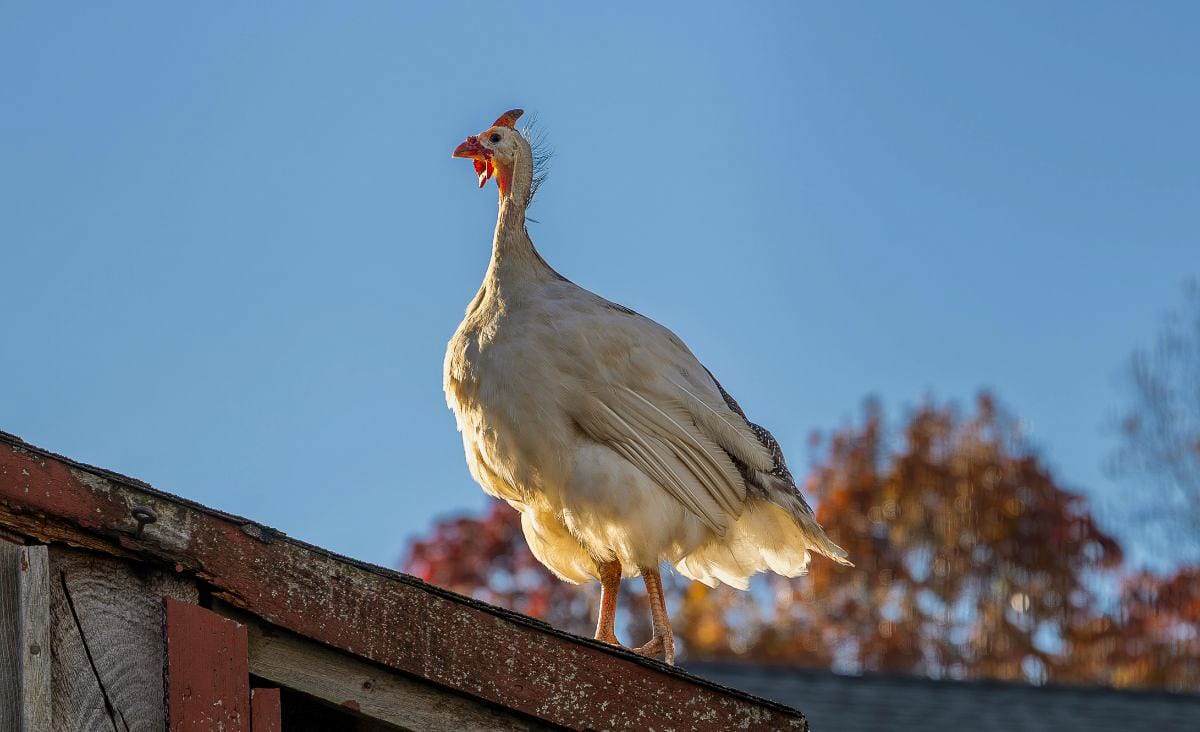
When I first let my guinea fowl free-range, I was convinced it was going to be a win. We’ve got the kind of property where bugs thrive, and tick season is no joke. I thought, great. Let the birds handle it.
By the end of that first summer, I was like, okay… so this is what I signed up for. Guineas do not care about your plans. They care about theirs. If you’re trying to decide whether keeping guinea fowl makes sense for your property, I want to help you think it through before you bring home a single keet.
This isn’t a how-to guide. It’s a reality check from someone who has watched them roost 40 feet up in a pine tree and announce the UPS truck like it was a five-alarm emergency. I want you to know what you’re bringing home before you’re standing in your yard listening to them scream at a squirrel.
What Guinea Fowl Are Good For
They start as a ‘maybe.’ Then you hear they eat ticks and you start doing poultry math in your head.
Pest Control That Covers More Ground
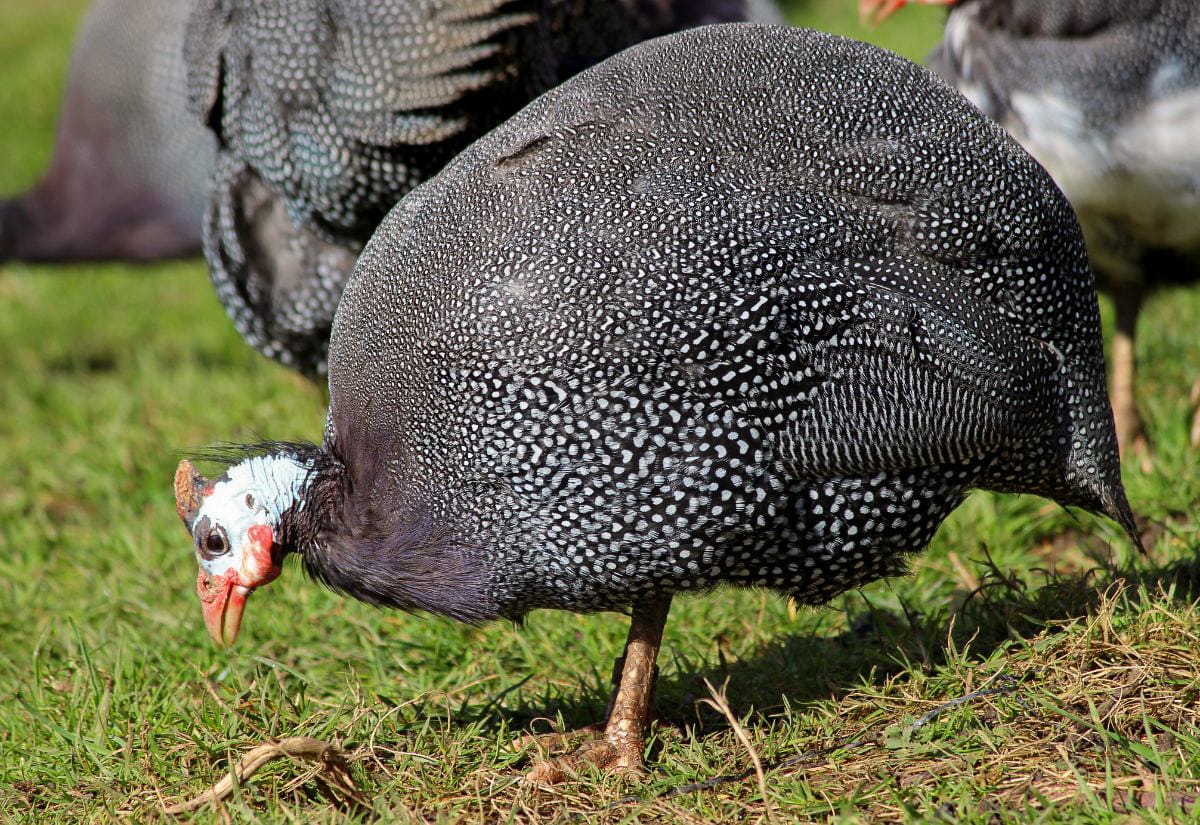
Guineas are relentless foragers. They’re on the move all day, picking at anything that crawls, hops, or flies. If you’ve heard bold claims about tick control, it helps to understand what guinea fowl do and don’t eat before you assume they’ll solve every problem in your yard. If your yard is mostly short grass, you might not notice a big difference.
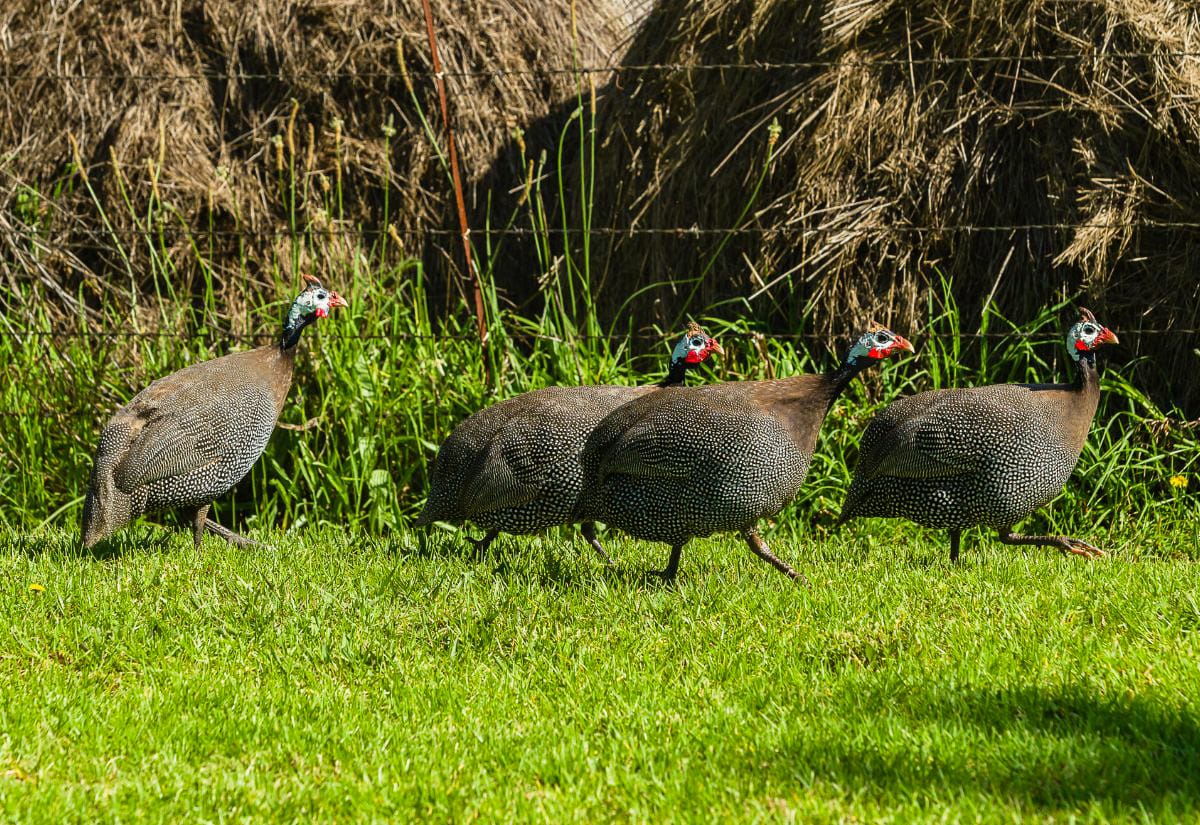
They also patrol gardens without scratching everything to pieces like chickens. Mine will walk between rows, picking off bugs, and leave the soil mostly alone. That’s the part that makes me forgive the noise.
An Alarm System You Didn’t Ask For
They yell about everything. Hawks. Dogs. Delivery trucks. A leaf that fell wrong. They will warn your other poultry. They’ll gang up and make a scene, and sometimes that’s enough to push a predator back. But that volume comes with a tradeoff. If you share a property line with anyone, they’re going to know you have guineas. And it’s not a quick warning either. They’ll keep going until they decide it’s over.
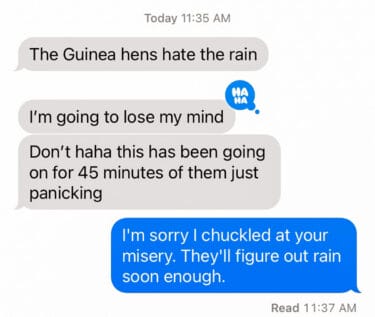
Out here, it doesn’t bother me much. It did my son. And I would never put guineas in a tight neighborhood.
How Much Land Do Guinea Fowl Really Need?
Nobody wants to give a real answer here, so I will.
Acreage and Roaming
I don’t care how many acres you have, guineas can still decide they want to roam. Mine did it on five. They tend to run a loop, and if your loop bumps up against neighbors, that’s where they’ll end up.
I wish I could tell you “X acres and you’re safe.” I can’t. Most guineas range out from wherever they roost, and that can be a few hundred feet in every direction, sometimes more. In contrast, tighter spaces with clear boundaries and fewer distractions tend to keep them closer.
If you’re near a paved road, think hard about that. If there’s pavement nearby, they’ll find it. Warm pavement seems to pull them in, especially on cooler mornings and sunny days. I’ve watched them stretch out on warm pavement without a care in the world. Not every driver slows down.
Staying Close to Home
You can improve your odds by confining them for four to six weeks when they’re young so they imprint on the coop. If you let them out too early, they often pick a new roosting spot and that becomes the habit. You’ll get some cooperation, but don’t expect obedience.
If you can’t have them wandering, you’ll want a covered pen. Fencing alone won’t cut it. In that case, it helps to understand what a secure guinea fowl setup really needs so you aren’t building something they’ll clear in a single flap. Guineas in a pen need more space than chickens and a fully covered top. They fly well. If the top is open, assume they’ll be on it, over it, or gone.
What It’s Like to Live With Guinea Fowl
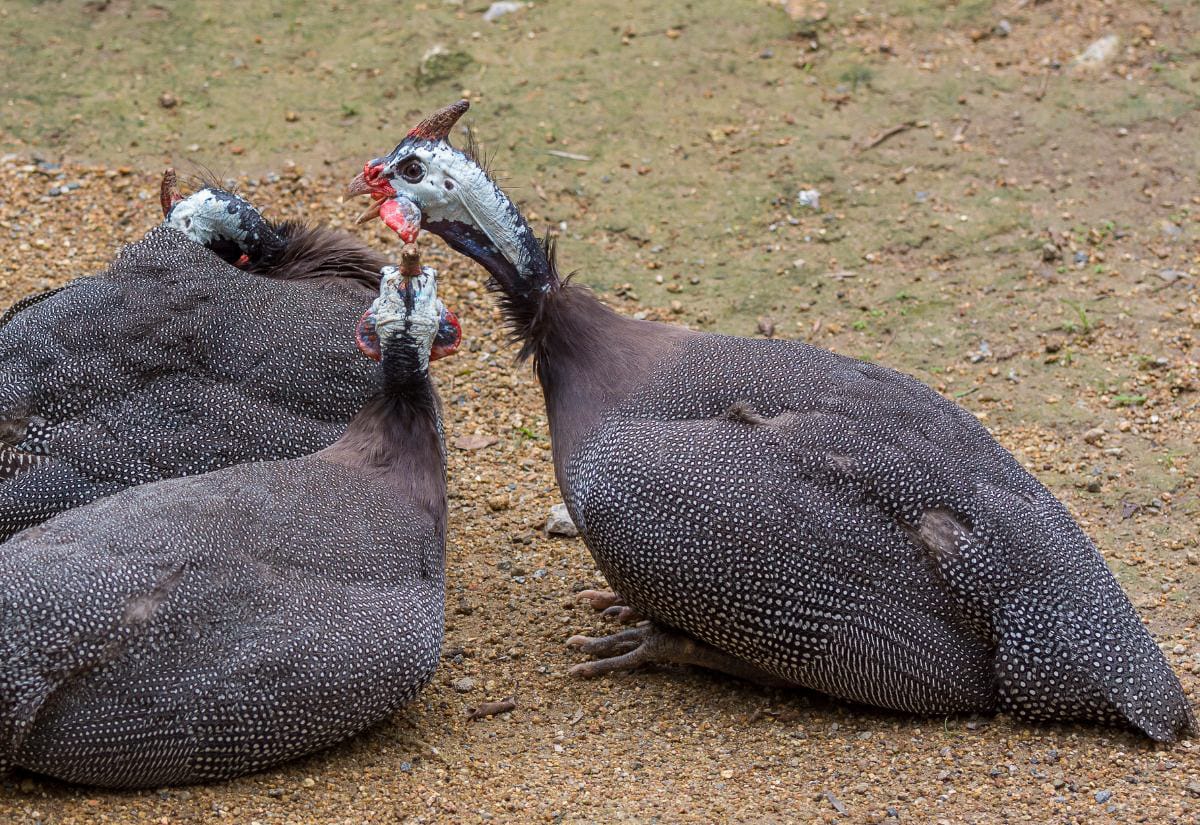
You’ll either find their chaos endearing or you’ll be Googling “how to rehome guineas” by June.
Independence and Quirks
Guineas are not chickens. They don’t follow you around. They don’t line up politely for treats. They form tight social groups and make their own decisions. If you want a bird that acts semi-tame, this may frustrate you. If you’re okay with them being a little wild, you’ll enjoy them more. I’ve written more about their strange habits and personality quirks because they truly are different. That difference is either the appeal or the dealbreaker.
Egg-Laying Reality
Guinea hens lay eggs, but they rarely use nest boxes the way chickens do. They prefer hidden ground nests. You might find a tidy clutch under a shrub weeks after they started laying. Some people never find the nest until they spot keets running around. If eggs are your primary goal, you’ll want to compare how guinea eggs compare to chicken eggs before you decide. Their eggs are great. Finding them is the problem.
Predators, Neighbors, and Other Hard Truths
They’re brave, and that bravery gets them in trouble.
They can chase a fox in a group, yet still fall prey to hawks. They can sound an alarm, yet still choose to roost in a tree instead of your secure coop. If you want to keep losses low, your whole plan needs to revolve around getting them inside at dusk. If you’ve kept chickens, you know how this ends when birds sleep outside. If you want to keep them, get them inside at dusk. Every time. If you’re unsure how to approach that, start with how I secure poultry against common predators and build from there.
And then there’s the social side. If you value quiet evenings or have neighbors within shouting distance, you need to be honest with yourself. Guinea fowl do not whisper.
When Guinea Fowl Are Not a Good Fit
Let me save you some stress. Guineas are a bad idea if…
- You live on a small suburban lot.
- You’re near a busy paved road.
- You want quiet, predictable birds.
- You need strict control over where your poultry goes.
- You expect easy egg collection every day.
If you’re reading this list and wincing, listen to that. I’d rather you feel mildly disappointed now than deeply annoyed all summer.
Still Thinking About Getting Guinea Fowl? Read This First
Still weighing it out? Here are a few questions I hear often.
Pin this so you can come back before you impulse-buy guineas in spring.
Keeping guineas isn’t difficult. Living with guineas is the part you have to be ready for. If you’ve read this and you’re still smiling, you might be a guinea person. If you’re still in, I’ve got a practical guide on getting started so you’re not winging it once the keets come home.
If you’re still unsure, that’s okay too. Drop your details in the comments and I’ll tell you what I’d do in your shoes. Let’s think it through together.
I am in Minnesota and in June, a stray Guinea hen wandered into my yard and made her self at home. I have 5 1/2 acres and no neighbors close right now. How do I prepare for winter with a single bird? She roosts in a pine next to my garage and hangs out at my patio door pecking at her reflection. I have tried advertising for someone to take her. I really do not want her to die over the winter. Thank you in advance.
Chris Bremer
saintcroix7@gmail.com
She should actually be able to fend for herself. Just make sure she has food and water available since nature won’t provide it over the winter.
Lots of great information here, Jessica. We’ve been wanting to get chickens and wondered if Guinea Fowl would be a better option. For us, right now, we’ll stick to chickens when we can get some. When we have a larger piece of land for our homestead, we may go the direction of the Guinea Fowl! Thanks for the info!
I think I’ll always have chickens. They’re such a versatile animal. Happy homesteading!