
How to Keep Livestock Cool in Summer (What Works on a Small Homestead)
Learn how to keep livestock cool in summer with practical, real-life tips for water, shade, airflow, and spotting heat stress early.
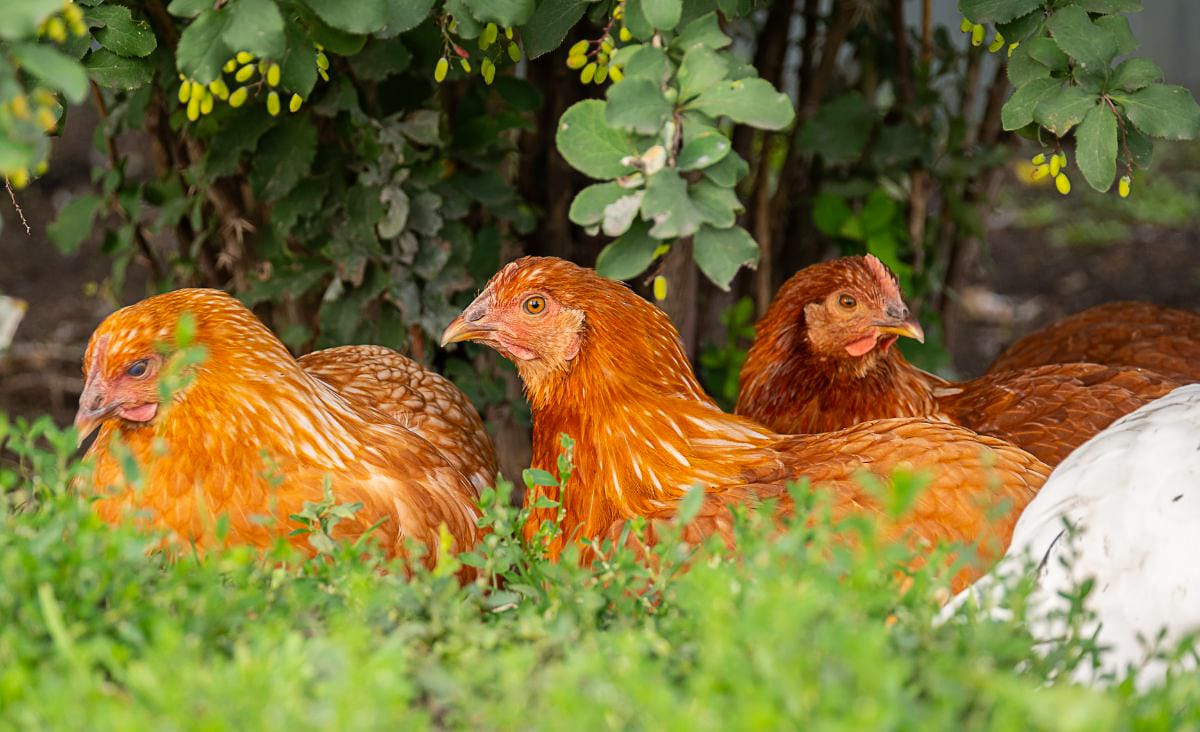
I love summer on the homestead, but it definitely comes with a few built-in challenges. The garden finally starts producing, babies arrive, and long evenings stretch out just enough to feel manageable. But the heat… the humidity. That’s when little things start adding up fast.
I’ve learned over the years that most summer livestock issues don’t start with something dramatic. They start small. A little drop in egg production. Animals lingering by the water bucket. Behavior that feels just slightly off. By the time you’re dealing with full-blown heat stress, you’re already behind.
Here’s what I do on our homestead when summer heat rolls in.
Why Summer Heat Sneaks Up on Livestock
Animals don’t sweat like we do. Most rely on breathing, limited evaporation, and behavior changes to regulate their body temperature. Add high humidity to the mix, and those systems don’t work nearly as well. High humidity makes it harder for animals to cool themselves through breathing, which is why heat stress can show up even when temperatures don’t seem extreme.
Heat stress doesn’t always look like an emergency at first. Often, the first sign is reduced production. Fewer eggs. Less milk. Slower growth. That’s the body putting survival first. Young animals, seniors, pregnant animals, and those producing milk or eggs tend to feel the effects of heat first, so I keep a closer eye on them when temperatures climb.
It’s a lot easier to prevent heat stress than fix it.
Water Comes First (+ Why Buckets Alone Aren’t Enough)
Everyone knows animals need water in summer. The issue isn’t whether water is available. It’s whether they’re drinking enough.
Animals that produce eggs or milk need more water than most, and they’re often the first to show signs of dehydration. I check waterers multiple times a day during heat waves, not because they’re empty, but because they get warm fast. Once water warms up, they don’t drink nearly as much.
I’m not opposed to adding ice, especially during extreme heat, but I don’t rely on it alone. What matters more is keeping water cool, shaded, and easy to get to. When heat really settles in, I’ll also rotate cooling strategies that don’t depend on drinking at all.
Shade, Airflow, and Cool Places to Stand
Shade is non-negotiable. If you wouldn’t stand there barefoot at noon, neither should your animals.
Natural shade from trees is ideal, but I’ve absolutely set up temporary solutions when needed. Umbrellas, tarps, even moving pens a few feet can make a surprising difference. Airflow matters just as much as shade. Still, trapped air holds heat.
One of the simplest tricks I use is ground cooling. Ceramic tiles live in my refrigerator during summer. I rotate them into poultry pens throughout the day. I think of this as livestock enrichment too, because animals manage heat better when they’re free to choose what’s comfortable for them.
How I Spot Heat Stress Early
Heat stress doesn’t show up the same way in every species, but there are patterns worth knowing. The numbers matter, but knowing your animals matters more.
Goats
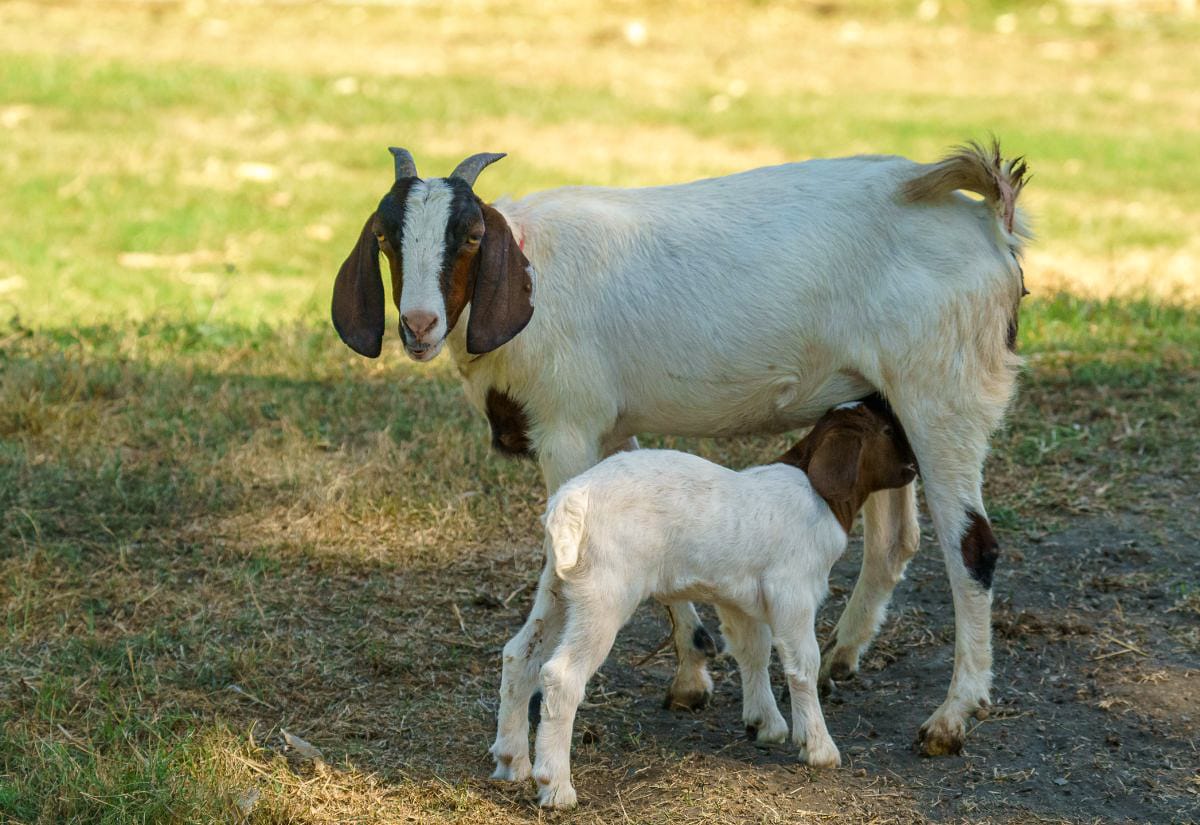
Normal rectal temperature ranges from 101.5–103.5°F. Resting heart rate sits around 70–80 beats per minute. When goats are overheating, you’ll often see heavy panting, reduced appetite, and a general reluctance to move.
Rabbits
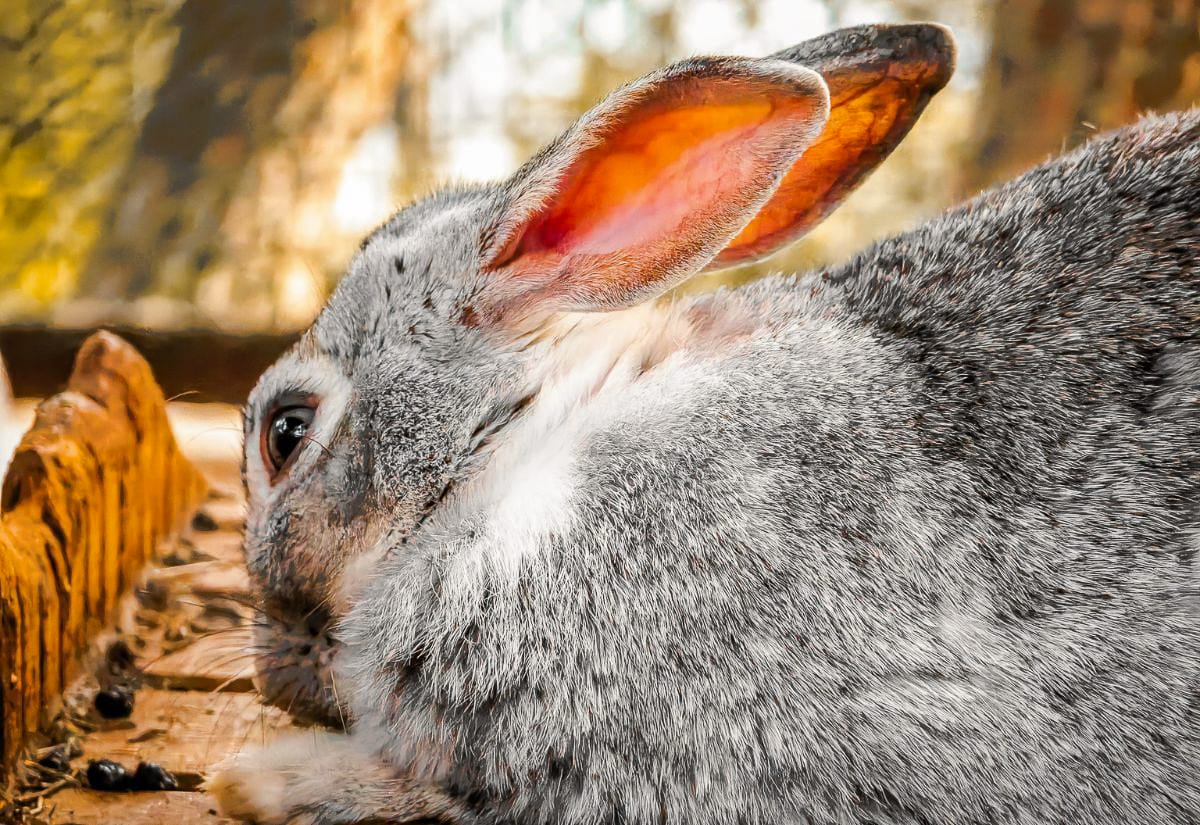
Rabbits struggle with heat more than many people realize. Normal temperatures hover between 103.3–104°F. Once they’re too warm, you may see lethargy, rapid breathing, or them stretching out flat to cool off.
Chickens, Ducks, and Quail
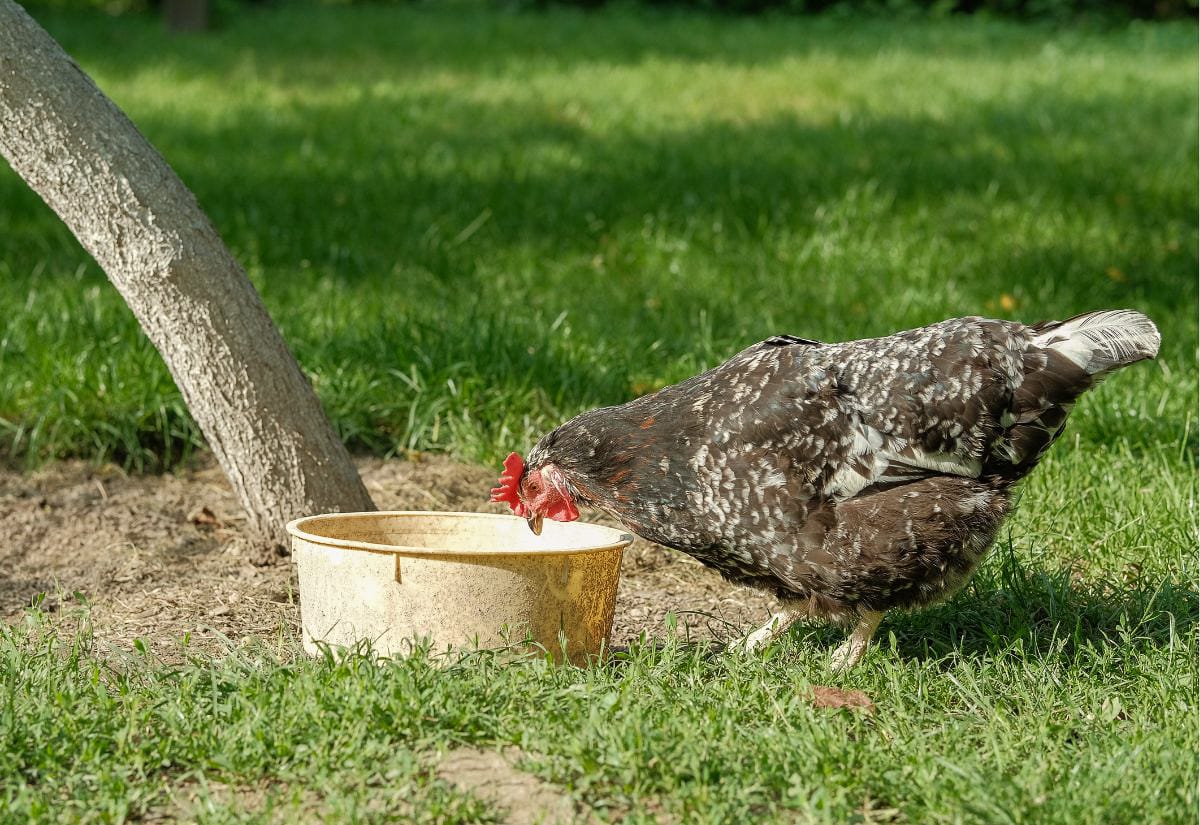
Poultry run hotter by nature. Normal temperatures range from 104–109.4°F. Panting, holding wings away from the body, and reduced egg laying are early signs. Quail, in particular, seem fine until they’re suddenly not, so I watch behavior closely.
Handling alone can raise heart rate and temperature slightly (especially in rabbits and poultry), so I always look at the full picture, not just one number. If something feels off, I don’t wait. It’s always easier to deal with things early than fix them later.
When Electrolytes Help (+ When They Don’t)
Electrolytes can be useful during periods of extreme heat, especially when animals are already stressed. Electrolytes support hydration under stress, but they don’t replace balanced nutrition or good housing. They’re not something I use daily or automatically. Plain, cool water is still the priority.
That said, having options matters. I like knowing how to mix simple, homemade electrolytes for poultry so I’m not scrambling if supplies run out or stores are closed. Electrolytes support hydration, but they don’t replace shade, airflow, or good management.
If animals aren’t drinking at all, electrolytes won’t fix the problem. That’s your cue to address the environment first.
What I Always Prep Before a Heat Wave Hits
I don’t wait until the forecast says “dangerously hot.” By the time that shows up, it’s already too late. Before summer really settles in, I make sure:
- Shade options are in place and adjustable
- Waterers are easy to refill and clean
- Frozen tiles or bottles are ready to rotate
- Electrolytes are stocked or ingredients are on hand
It’s not exciting, but it makes hot weeks a lot easier.
Real Questions That Come Up During Heat Waves
These are some of the things people ask once summer heat becomes a real concern.
Pin this for easy, real-life tips to help your animals handle summer heat safely.
No single trick solves summer heat issues. It’s about a handful of small things that add up. Water, shade, airflow, and knowing your animals go a long way. Add a little preparation and a willingness to adjust, and summer becomes manageable instead of overwhelming.
If you’ve found a trick that works well on your homestead, I’d love to hear it. Drop a comment below and let’s compare notes.
Hey, thank you very for sharing these tips.
Really looking forward on something from you for keeping the house cool without AC or another heavy electric stuff.
Thanks again.