What Grows Best in a Back to Eden Garden? Crops That Thrive (+ Ones That Don’t)
Wondering what grows best in a Back to Eden garden? Learn which crops thrive, which struggle, and how to make this mulch method work better.
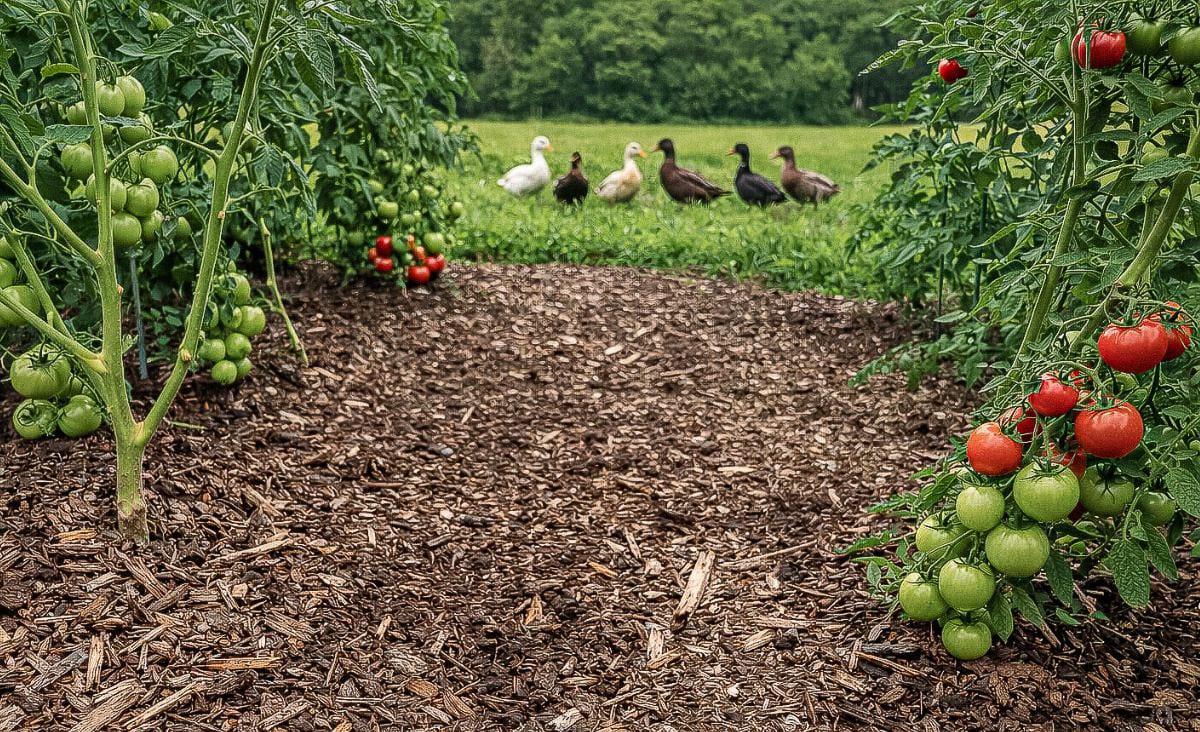
The first time I leaned hard into Back to Eden gardening here in Maine, I thought I had finally found the answer to every gardening problem I’d ever had. Less watering. Fewer weeds. Better soil over time. It sounded like a dream, especially after dealing with dry spells, compacted soil, and beds that seemed to crust over the minute the weather turned hot.
Then I started noticing something important. Not everything loved it equally.
Some crops took off like they’d been waiting for that setup all their lives. Others sat there looking annoyed, stunted, or flat-out confused. That’s been one of the bigger lessons from trying this method in my own garden beds. A Back to Eden garden can work really well, but some plants clearly like it more than others.
Why Crops Behave Differently in Back to Eden Gardens
It’s not just a normal garden with wood chips thrown over it. That’s a common myth. That thick layer of wood chips changes a lot, from how the soil holds water to how fast it warms up in spring. That’s why one crop can look incredible while another one just sits there.
Why Some Crops Thrive
The bigger, faster-growing plants tend to handle this setup the best. Once they’re established, they benefit from the more even moisture and the protection from temperature swings. In my beds, the bigger rooted crops have usually handled it best. They seem less bothered by the cooler soil and more able to push down into the good stuff underneath.
That’s one of the reasons I still like this method, even with its quirks. Maine weather is not known for being particularly cooperative. If I can keep soil from drying out every five minutes in July, I’ll take that win.
Why Some Crops Struggle
Small seeds and delicate seedlings are where this system can get frustrating. Heavy mulch can make direct sowing more awkward, and the soil underneath often stays cooler longer in spring. That can be a problem when you’re trying to get a fast, even start.
This is where newer beds can get a little annoying. If you’ve ever wondered why plants look pale or slow early on, it helps to understand nitrogen binding in a Back to Eden garden before you assume the whole method is a failure.
What Grows Best
Let’s get to the part everybody wants. You don’t need another vague article telling you “vegetables grow great in mulch.” You want names.
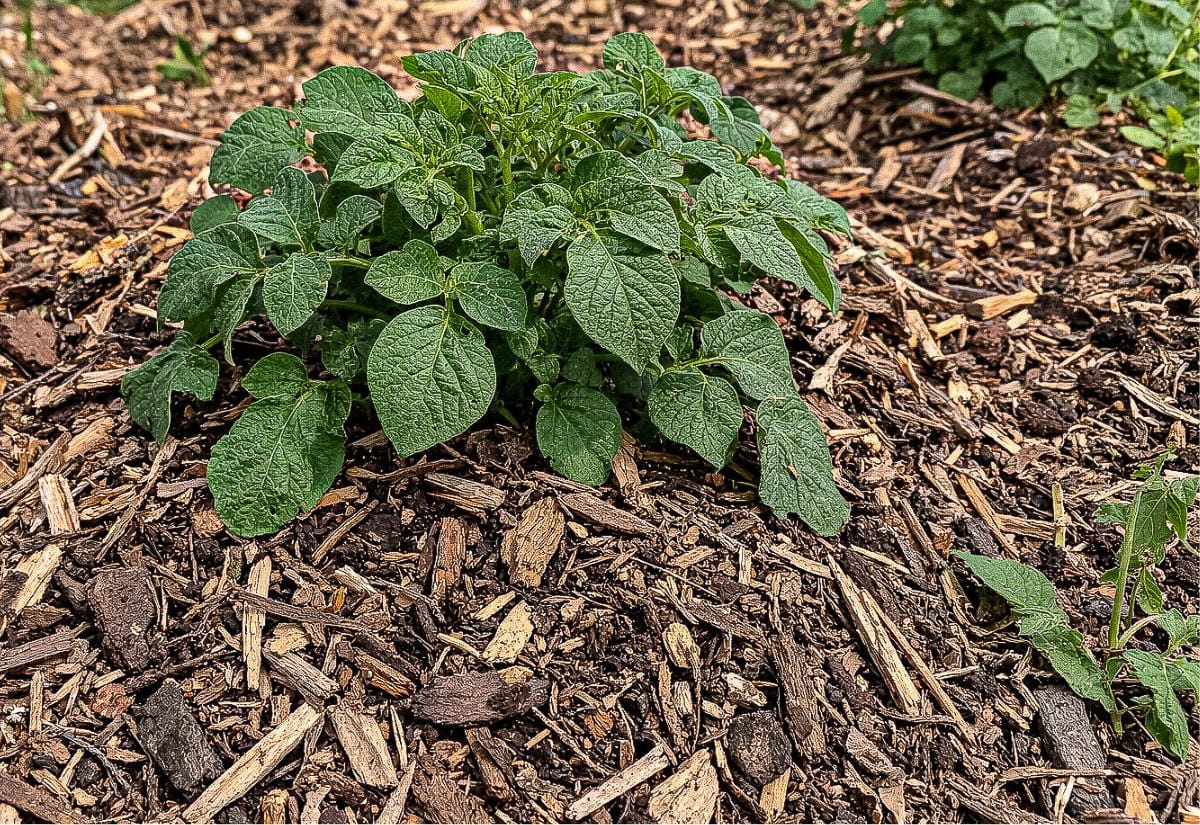
Potatoes, Squash, and Pumpkins
Potatoes have been one of the easiest wins for me. They pair well with loose, mulch-heavy growing because the soil stays more workable and the tubers are easier to dig. If you want a more detailed look at that, I’ve written about planting potatoes in a Back to Eden garden because they’re one of the crops that make this method feel worth it.
Squash and pumpkins also tend to do well. Their big leaves shade the soil even more, and they seem to love the steady moisture. Once they’re up and moving, they usually stop caring that the ground warmed slowly in the beginning.
Tomatoes and Other Transplants
Transplants have a head start here because they’re already past that delicate just-sprouted stage. Tomatoes have done well for me, especially once the weather settles and the roots get down below the mulch layer. Broccoli and some other brassicas have also handled it well, though I still pay attention to spacing and airflow because thick mulch plus crowding can create its own mess.
This is one reason I tend to favor transplants over direct sowing for certain crops in these beds. I’d rather give the plant a head start than set it up for a fight right out of the gate.
Garlic and Other Planted Crops
Cloves, sets, and sturdy transplants usually do better here than dust-sized seed. Garlic has been a good fit for that reason. In my Maine garden, winter mulch is just part of the deal.
Onions from sets can also do reasonably well. They’re not my favorite crop for this system, but they’re much easier than trying to start onions from seed in thick mulch.
What Struggles in Back to Eden Gardens
This is where my experience starts to part ways with some of the glowing stuff you read. I still like the method, but I think people deserve a straight answer about the annoying parts too.
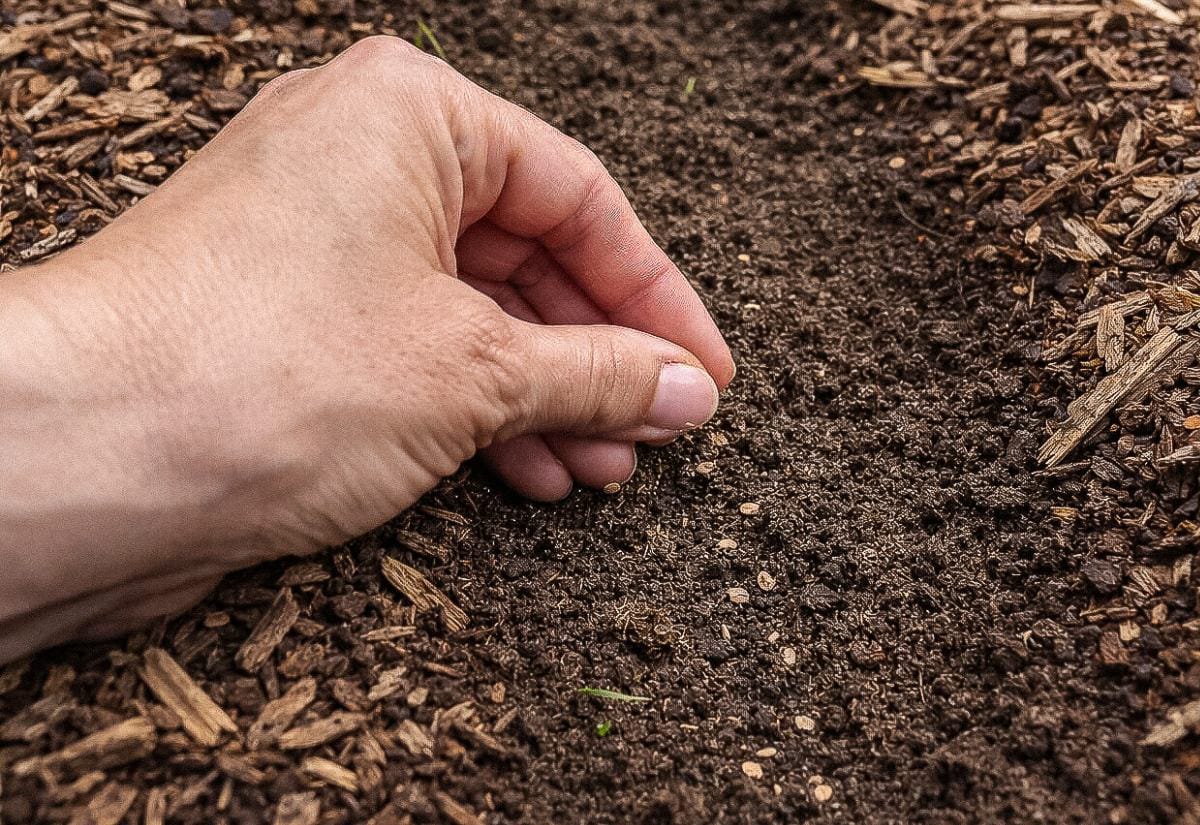
Tiny Direct-Sown Crops
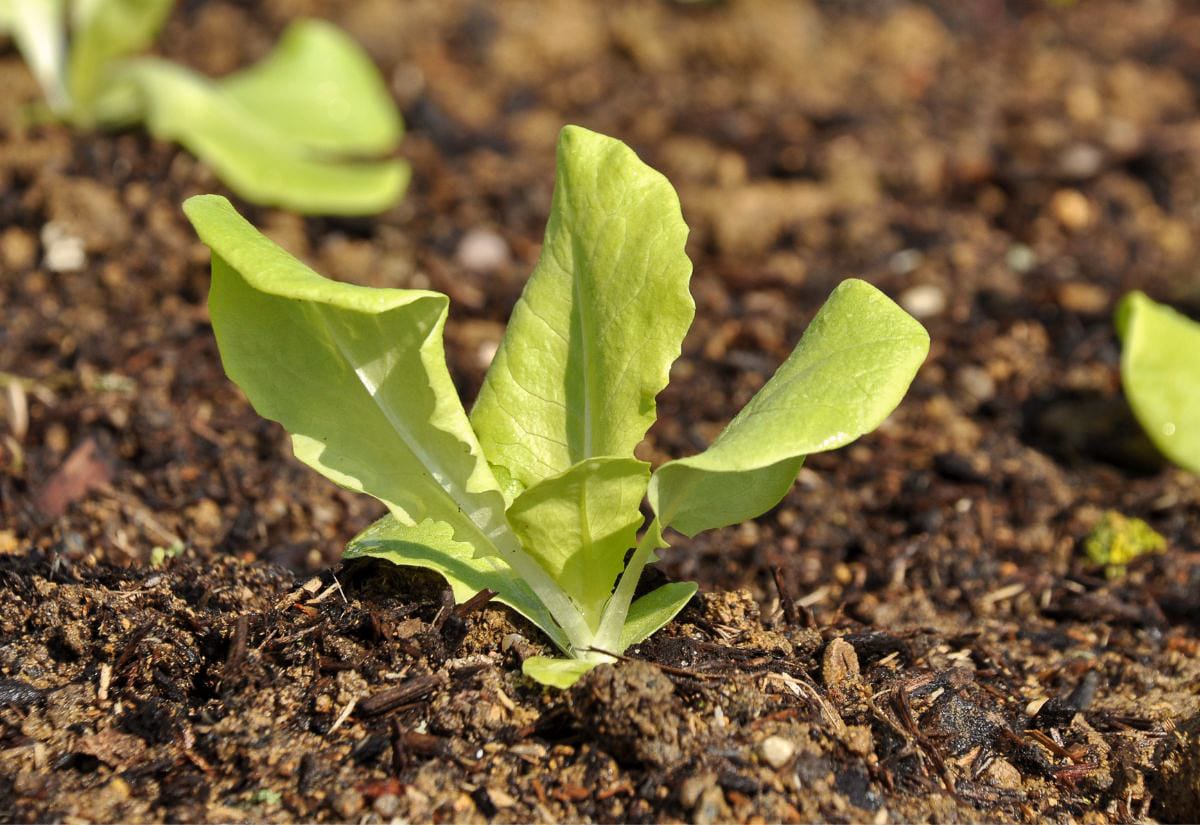
Carrots, lettuce, and other small-seeded crops can be tricky in these beds, especially if the mulch is fresh, thick, or not pulled back well. The seeds need contact with soil, steady moisture, and a decent shot at warmth and light. That’s harder to pull off when you’re planting into a heavy mulch system.
You can grow them. They just tend to need more babysitting. I usually pull mulch back to create a clearer planting strip, and I’m much pickier about keeping that area even and workable. If you’re unsure which crops are better sown right in place and which are better given a head start, whether to direct sow or start indoors becomes a very real question in this kind of garden.
Heat-Loving Crops
Peppers are one crop I don’t fully trust in these beds until the warm weather really settles. They can grow in a Back to Eden bed, but in a cool climate they may lag behind if the soil stays chilled too long. That isn’t always the method’s fault by itself. It’s more the combination of wood chips and northern spring weather.
If you’re gardening somewhere warmer, you may not notice this as much. Here in Maine, I do. The soil thermometer has saved me from guessing more than once, especially in spring when the surface looks ready but the ground below still says otherwise.
First-Year Beds
I wish people were more honest about this part. First-year beds can be hit or miss. Sometimes they take off. Sometimes they stall for a while. A lot depends on what’s under the chips and how the bed was built.
I don’t think that means the method is bad. I think people make it sound easier than it is
How I Make This System Work
You do not need to abandon the whole method just because one crop struggles. Usually, a few small adjustments make things go a lot smoother.
Direct Sowing vs Transplanting
When I’m transplanting tomatoes, brassicas, squash, or anything with a decent root system, I’m comfortable working right into the mulch-covered bed. I pull the chips aside, plant into the soil, and then bring the mulch back around the plant without crowding the stem.
When I’m direct sowing smaller seeds, I give them their own clearer zone. I want exposed soil, finer texture, and less competition from chunky material.
Chip Depth and Timing
Too little mulch and you lose some of the benefit. Too much and you can make life harder than it needs to be, especially in spring. I prefer enough wood chips to protect the soil and hold moisture, but not so much that every planting job feels like digging through a hamster cage.
Timing matters too. Some beds improve fast. Others need a season. That’s one reason I don’t get worked up over mushrooms. In this system, fungal activity is part of the deal, and I talk more about what fungal growth means in a Back to Eden bed in another post.
Work With the System, Not Against It
I think one reason this method gets such mixed reviews is because people want it to behave exactly like a bare-soil garden, just with fewer weeds. That’s not really what it is. It’s its own thing.
What works better is choosing crops that suit the system. Grow the things that naturally appreciate stable moisture and protected soil. Adjust your method for the crops that need warmer, cleaner seedbeds. Be honest about what gives you trouble.
That honesty matters. I’d rather tell you carrots can be annoying than pretend every crop will thrive just because you threw down cardboard and wood chips.
Common Questions About Back to Eden Gardening
These are the questions that usually come up once people try this method.
Pin this so you remember which crops thrive in a Back to Eden garden and which ones may need a little extra help.
A Back to Eden garden can be a really good fit for a homestead garden, but it is not a one-size-fits-all answer. Some crops thrive in it. Some need tweaks. Some will make you question your life choices for a minute.
That’s why it helps to know what usually works before you start planting. You can work with the method instead of fighting it. If you’ve used Back to Eden gardening on your own place, I’d love to hear what has done well for you and what has been a pain. Leave a comment and tell me what you’ve noticed.