
Setting Up a Duck Coop That Doesn’t Turn Into a Mess
Learn how to set up a duck coop that stays dry, manageable, and safe with simple, real-life tips that actually work in any backyard.
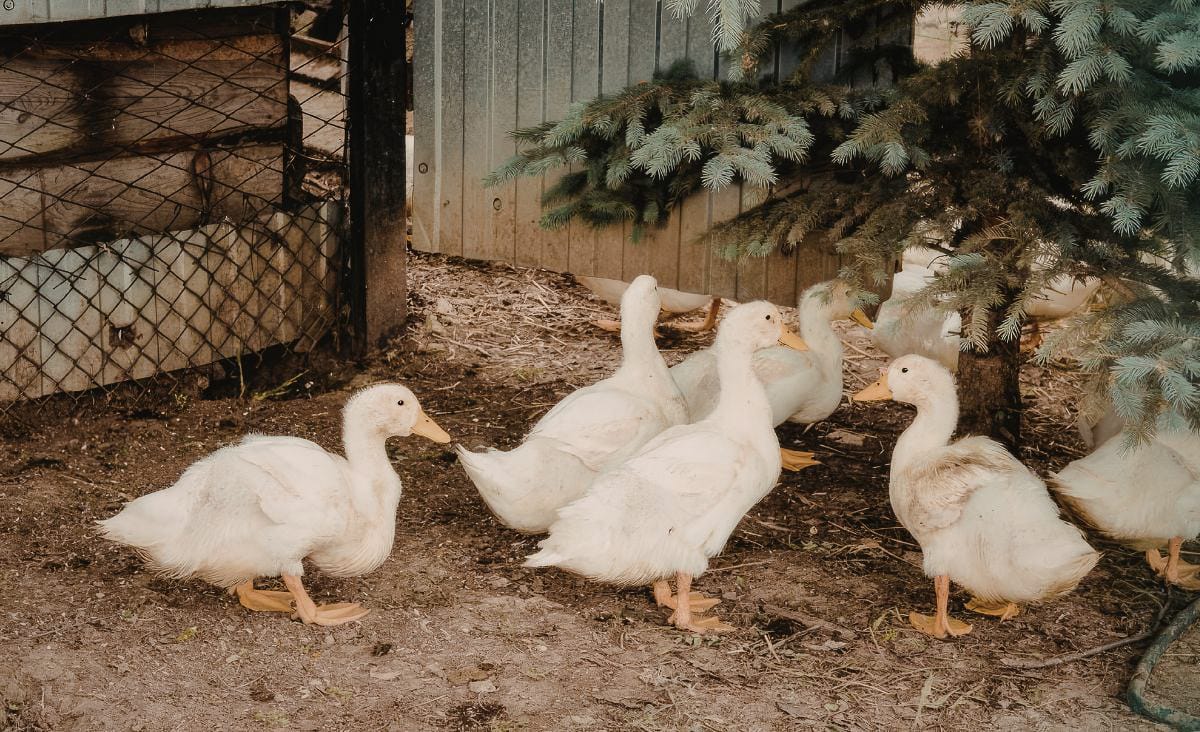
When I first started figuring out housing for waterfowl, I learned pretty quickly that ducks make you rethink a lot of the things that work just fine for chickens. Here in Maine, between spring mud, heavy rain, frozen water in winter, and that lovely shoulder season where everything is somehow both wet and filthy, a duck setup can go downhill fast if you build it for looks instead of function.
That has been the biggest lesson for me over the years. Ducks don’t need a complicated setup, but they do need one that makes sense for how they live. If you give them a pretty little house with poor airflow, soggy bedding, and water in the wrong spot, they will turn it into a mess in no time. Ask me how I know.
If you’re in the planning stage right now, this will save you some headaches later.
Ducks Need the Right Kind of Shelter
A lot of the confusion around duck housing starts when people assume ducks need the same kind of setup as chickens. They don’t. Some things carry over, but ducks will make a mess of a chicken-style setup in no time.
Ducks Live Low + Simple
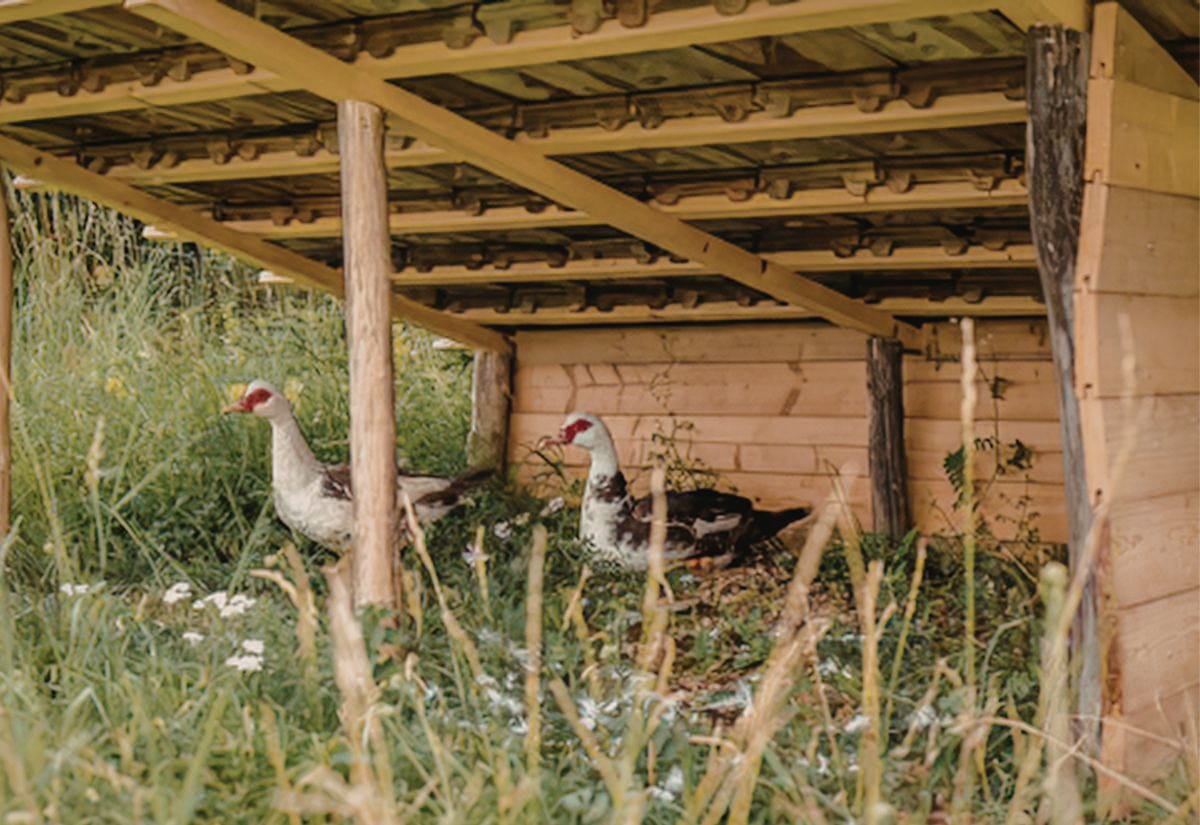
Ducks don’t use roost bars or ladders. They’re not interested in vertical space like chickens are. They want ground-level shelter, enough room to move around without piling on top of each other, good airflow, and dry bedding underfoot.
For me, it’s about keeping them protected without trapping all that damp air inside. Everything gets damp around ducks. It’s part of the deal. If you trap that moisture inside, the whole place starts to feel dirty fast, even if you’re keeping up with chores.
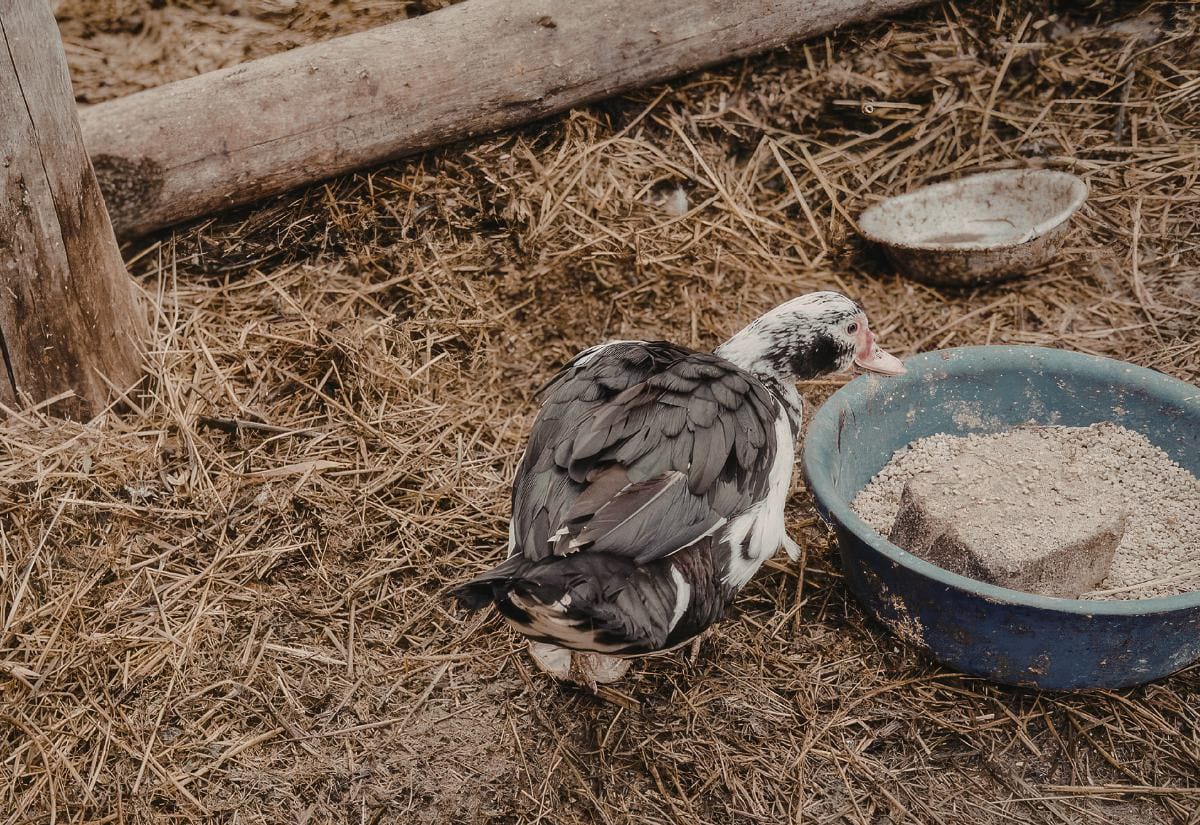
This is also where breed matters a little. Heavier ducks and mixed groups can take up space differently than smaller, more upright birds. If you’re still deciding what kind of ducks you want, it helps to think through choosing the right duck breeds for your homestead before you settle on the size and layout of the coop.
What Ducks Do Not Need
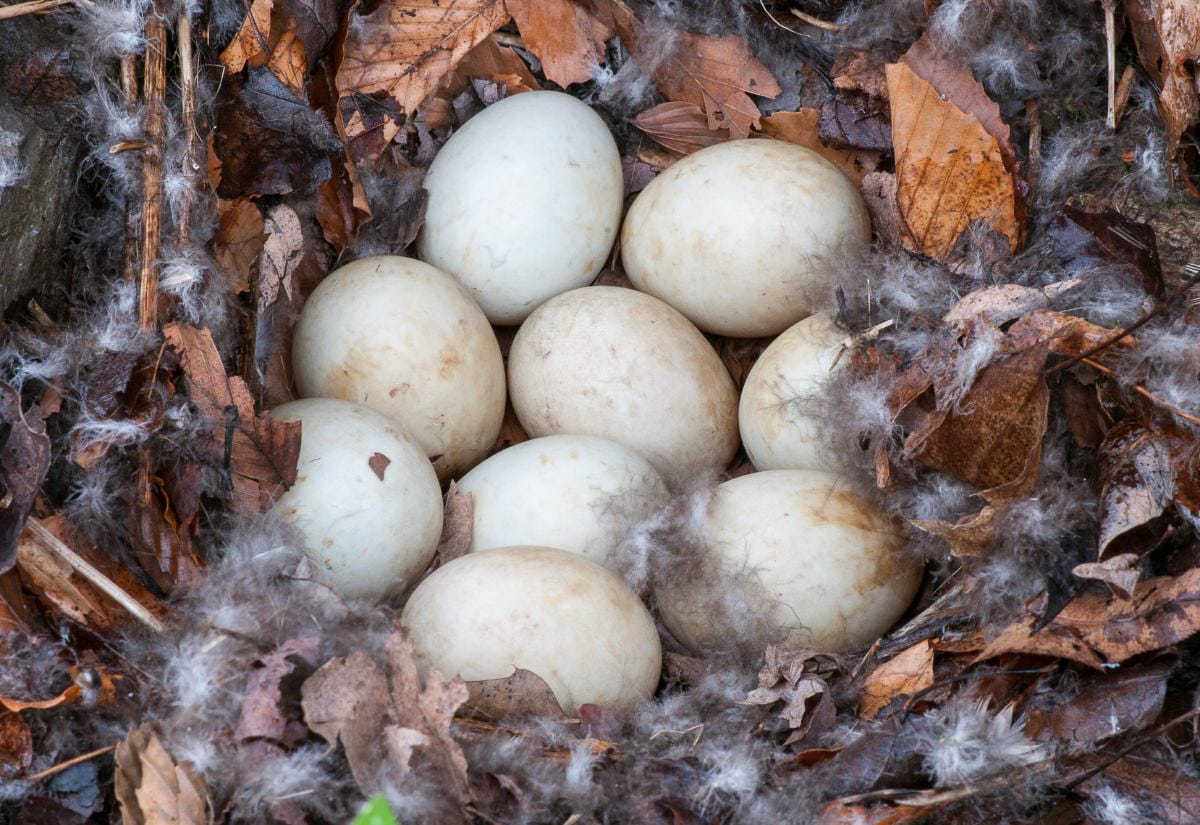
This is where you can save yourself some time and materials. Most ducks don’t need nesting boxes set up like chicken boxes. They usually prefer to nest on the ground in a more tucked-away spot. They also don’t need elevated sleeping areas, and they’re not impressed by little decorative touches people love to add to poultry housing.
In my opinion, one of the easiest ways to waste effort on a duck coop is to build it like a tiny chicken barn. Keep it simple. Give them safe shelter, decent space, dry bedding, and a layout you can clean without contorting yourself into a knot.
If you’re also trying to decide whether ducks can share space with chickens, I’ woul’d read what to know before housing ducks with chickens before you commit to one combined setup.
The Parts of a Duck Housing Setup
You’ll see a lot of different duck setups, but most of them come down to the same handful of things.
Space, Airflow + Bedding
Inside the shelter, ducks need enough room to rest without crowding. I’m not a fan of packing birds tightly just because they sleep low to the ground. Tight quarters get dirty faster, smell worse, and make it harder for birds to stay comfortable when weather keeps them inside longer than usual.
Airflow matters just as much as square footage. A duck house shouldn’t feel sealed up. It should feel protected, but not stuffy. I usually aim for openings near the top of the shelter so moisture can escape without letting wind blow directly across the birds. Even a small gap under the roofline or a covered vent can make a noticeable difference. If you walk up to it and get hit with damp, stale air, something needs to change.
For bedding, I like setups that are easy to refresh and easy to remove. Ducks are wet birds. Wet spots will happen no matter what, so the goal is being able to swap them out fast instead of fighting with them. If cleaning feels like a chore you want to put off, the setup probably needs adjusting. That means your flooring and your cleanout access matter more than people think when they are first sketching ideas on paper.
Water Placement
This is one of the fastest ways to end up with a mess. People put water right inside the sleeping area or too close to the entrance, then wonder why the whole coop turns into a soaked bedding pile.
Ducks need water, but they do not need to turn their sleeping space into a swamp. I prefer to keep drinking and splashing areas where mess is easier to manage. The farther you can separate sleeping space from heavy water use, the easier your life gets. Even moving water just a few feet away from the coop entrance can cut down on how much moisture gets tracked inside. It doesn’t eliminate mess, but it keeps it from taking over the entire space.
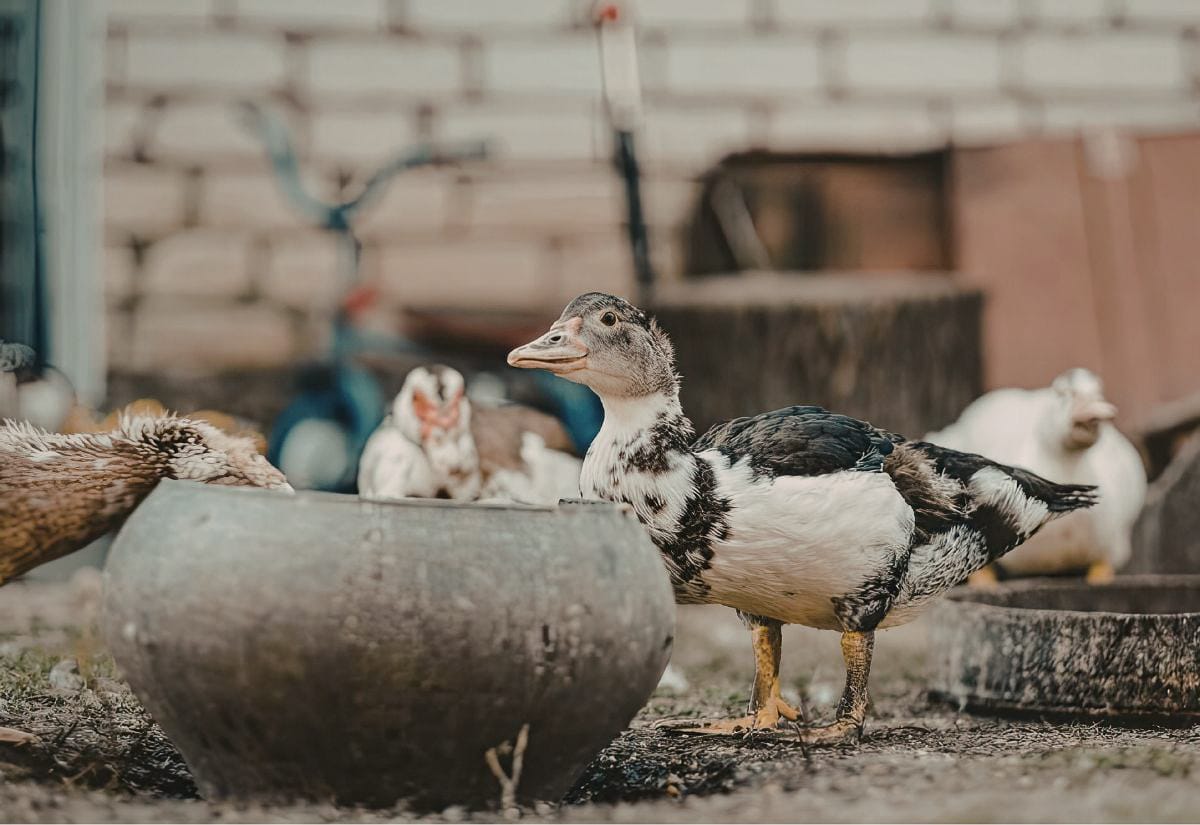
This gets even more important in winter. Once freezing weather shows up, the whole housing setup changes because water becomes one of the main daily challenges. If you raise ducks where winter means frozen buckets and icy ground, it helps to have a plan for keeping duck water from freezing in winter before the cold hits.
The Run Matters as Much as the Coop
A duck coop is only part of the setup. Most of your problems show up in the run. That’s where ducks spend most of their time.
If the run holds water, stays muddy for days, or traps the birds in one soaked area, you will feel it fast. If water hangs around, they’ll keep going back to it until it’s just mud. Even slight grading or giving water a place to drain off can change how the whole area behaves. I’d much rather put extra thought into drainage, access, and cleanup outside than overcomplicate the structure itself.
What Turns a Duck Setup into a Mess
I wish I could tell you there’s a way to keep ducks tidy. There’s not. What you can do is make the setup work with them instead of against them.
Mud Starts Where Water + Traffic Meet
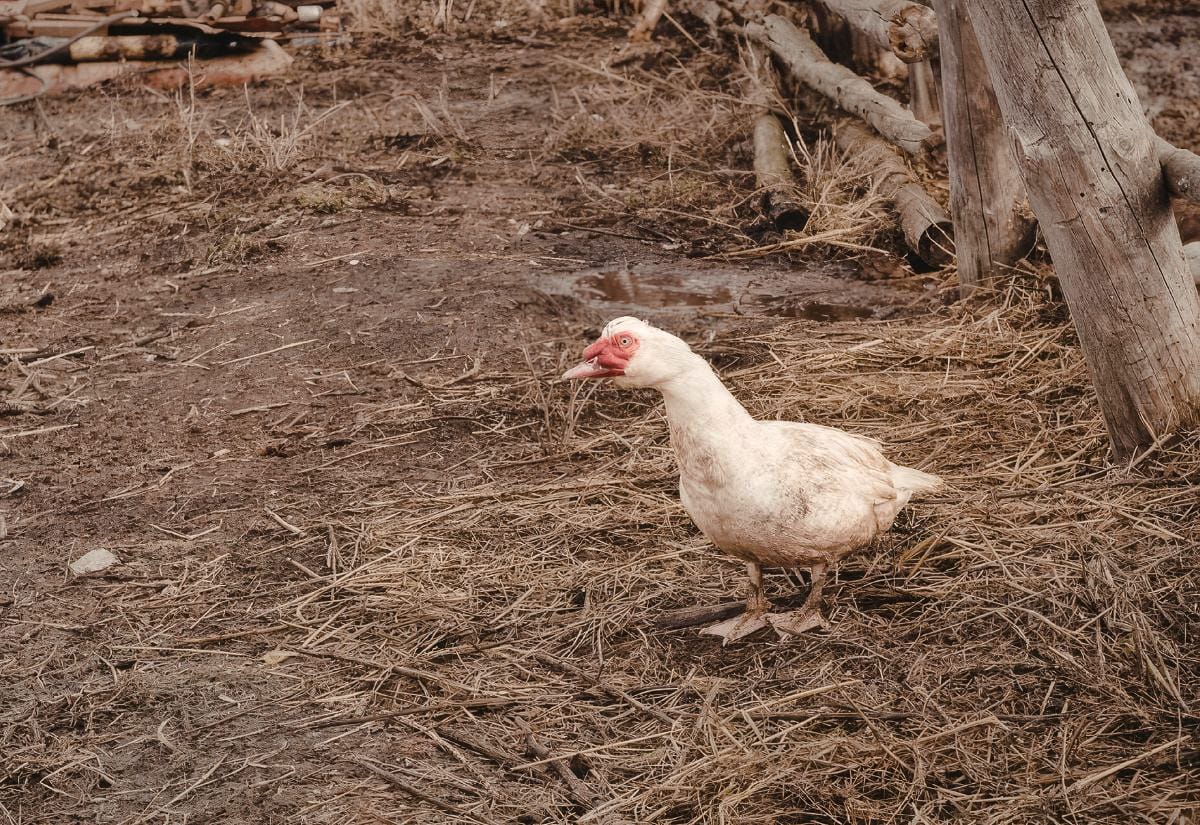
Ducks are hard on the ground. Add water, repeated foot traffic, and bad drainage, and you end up with a churned-up mess. Here, spring thaw and a few days of rain will turn things into a mess fast. I’ve found that even a decent setup starts looking rough if too many birds keep hitting the same wet patch over and over.
Water should go where mud will be least annoying. Entry points shouldn’t become a slick, trampled bottleneck. High-use areas need more attention because ducks will keep returning to the same spots until they have worn them down completely. Around feeders, water, and entry points, the ground takes the most abuse.
Make Cleaning Access Easy
If you can’t get in there easily, you’re going to dread cleaning it. This sounds obvious until you’re bent sideways trying to scrape out wet bedding through a door that’s too small or in the wrong place.
I strongly prefer duck housing with enough access to clean without fighting the building. Being able to stand or at least crouch comfortably inside makes a big difference over time. A door that lets you bring in a fork or shovel without angling it sideways is worth thinking about early. Small annoyances add up fast when you’re doing the same chore over and over.
Weather Exposure
A housing setup can seem fine in dry weather and then fail the moment real weather rolls in. Rain finds the low spots. Snow drifting can block entrances or pile against walls if you don’t plan for it. Frozen ground changes how water drains. Wind starts sneaking through cracks you ignored when it was warm out.
What works in a mild climate might become miserable in a Maine winter. When I’m planning housing for any animal, I care a lot more about how it will behave in November, February, and mud season than how it looks on a sunny day in June.
If seasonal prep is something you’re still sorting out, it may help to read how I get my animals ready for winter in Maine once you have the main coop plan in place.
How to Predator-Proof a Duck Coop
You’ll hear a lot about predator-proofing, but not a lot of specifics. People will say, “Make it secure,” and then leave you with that. Secure how? Against what? At which points?
Weak Points
Most predator failures happen in the obvious places. Doors that don’t latch tightly. Gaps near the base. Flimsy wire. Corners where something can pry, reach, or dig. Any gap you can get your fingers into is something a predator will mess with. It helps to check the coop at ground level, not just standing up, because that’s how many predators approach it.
I don’t think every duck setup needs to be elaborate, but it does need to be solid. Ducks are more vulnerable than many people realize, especially at night. Their housing needs to keep them contained and protected, not just sheltered from weather.
Local Predators
What you need really depends on what you’re dealing with in your area. Raccoons, foxes, neighborhood dogs, weasels, hawks, and other predators do not all challenge housing in the same way. That is why generic advice can feel incomplete. A predator-proof setup in one area may not be enough in another.

Here in Maine, I take predator planning seriously because there are too many ways to lose birds if I get lazy about it. If you want a broader look at the kinds of threats that should shape your housing plan, I’d start with common predators that target poultry and small livestock and then apply that to your own property.
A Duck Coop Setup I Would Recommend
If this is your first duck setup, don’t overthink it. You want something that stays drier than outside, gives ducks a safe place to sleep at night, and doesn’t make your daily chores harder.
I’d focus on a ground-level shelter with enough floor space for the number and size of ducks you plan to keep, decent airflow near the top, and bedding that can be refreshed without drama. I like to err on the side of giving a bit more room than you think you need. Outside, I’d make sure the birds have a run or yard space that doesn’t trap water right at the entrance and doesn’t force all activity into one miserable patch of mud.
If you’re still in the “do I even want ducks?” stage, it can help to read why so many people choose backyard ducks because housing gets easier to plan once you understand what makes ducks worth the trouble in the first place.
I also think it’s worth saying this plainly. You don’t need a picture-perfect duck house. You need one that works on a rainy Tuesday when the bedding is dirty, the ground is soft, and you’re carrying water with one hand and feed with the other. That is the standard I use now. Not pretty. Functional.
Common Questions About Duck Coop Setup + Daily Care
If you still have questions, that is normal. Duck housing seems simple until you start getting into the details.
Pin this so you can come back to it when you’re planning your duck coop and trying to avoid the mud and mess that sneak up fast.

A good duck coop has nothing to do with how cute it is. It’s about making sure your ducks stay safe, dry enough, and manageable through the kind of weather and mess that show up in real life.
If you’re planning one now, keep it simple and think hard about water, mud, airflow, cleaning access, and predator pressure. That’s what makes it easier… or harder… day to day. If you have ducks already, I’d love to hear what has worked well for you and what part of housing them has been the biggest challenge.