
The Art of Crafting Delicious Iced Herbal Tea Recipes
Learn how to make iced herbal tea recipes that taste fresh and balanced with simple blends, brewing tips, and real-life guidance.
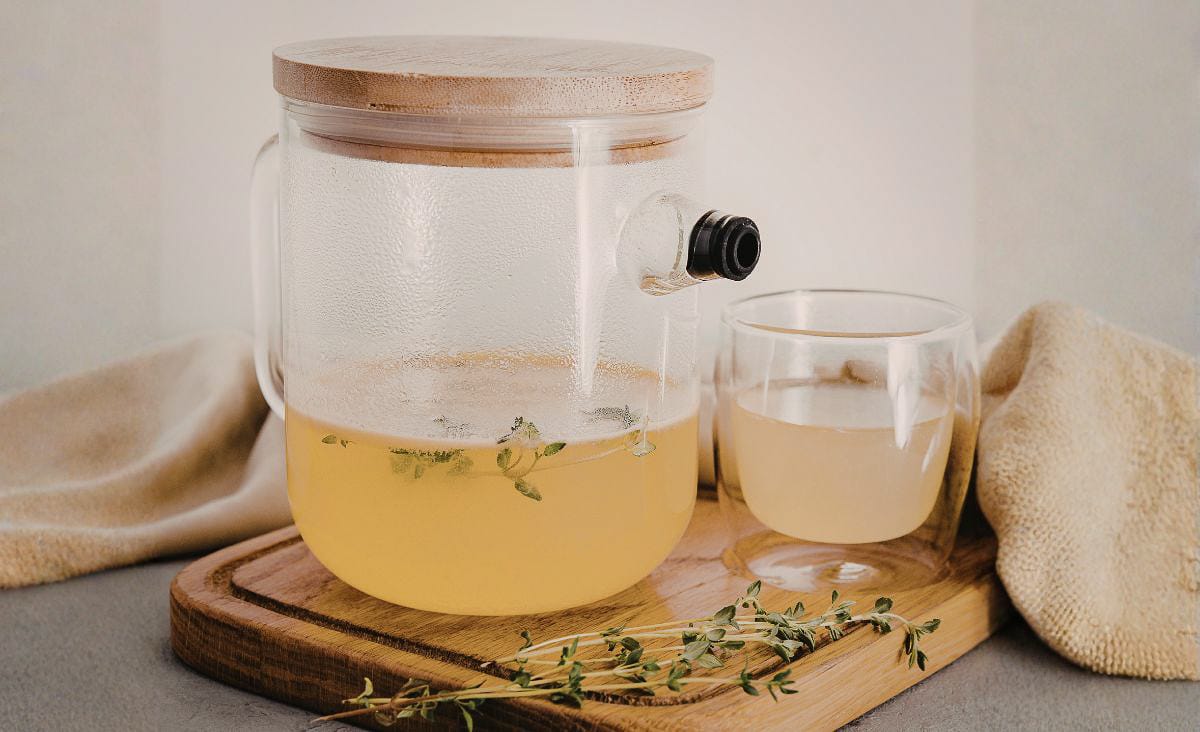
By July, I start craving something cold that doesn’t come from a soda can and doesn’t make me feel like I need to immediately lie down in the shade with the goats. Summer in Maine can be damp, buggy, and hotter than it has any right to be, and I’ve learned that a pitcher of iced herbal tea in the fridge makes the day feel a little more manageable.
I used to treat herbal tea like an afterthought. Toss a few leaves in hot water, chill it, hope for the best. Sometimes it was lovely. Sometimes it tasted like wet lawn clippings with a lemon wedge.
So this isn’t about one perfect recipe. I just want your iced tea to stop being hit or miss. We’ll talk about how to build a blend, how to brew it so it doesn’t taste weak or bitter, and a few summer combinations worth keeping in rotation.
What Makes a Good Iced Herbal Tea Blend
It sounds simple, but not every herb turns into a good iced tea. Hot tea can get away with being soft and subtle. Iced tea needs a little more backbone because the cold dulls flavor. It’s less about strength and more about not letting one thing take over.
Start with a Main Flavor
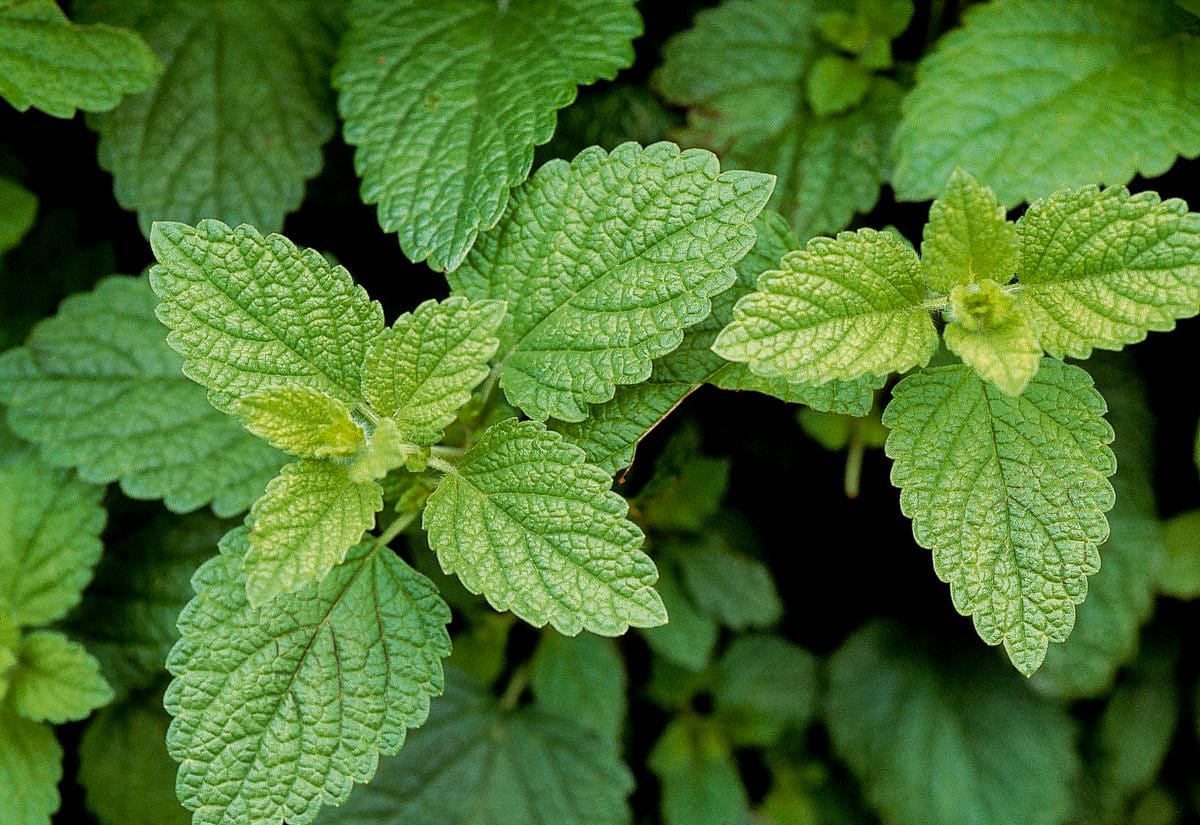
Every blend needs one herb or ingredient that leads the way. This might be mint, lemon balm, hibiscus, chamomile, raspberry leaf, or tulsi. I think of this as the part you should be able to identify when you take a sip. If you can’t name what you’re tasting, the blend may be too muddy.
For summer, I lean toward herbs that taste bright, cooling, tart, or gently floral. Mint and lemon balm are easy favorites because they grow well, bounce back after cutting, and don’t need much help to taste refreshing.
Add Something to Round It Out
Once you have the main flavor, add something that gives the tea a little depth. This is where herbs like raspberry leaf, nettle, oatstraw, rosehips, orange peel, or a tiny bit of cinnamon can help. This part should support the blend, not take it over.
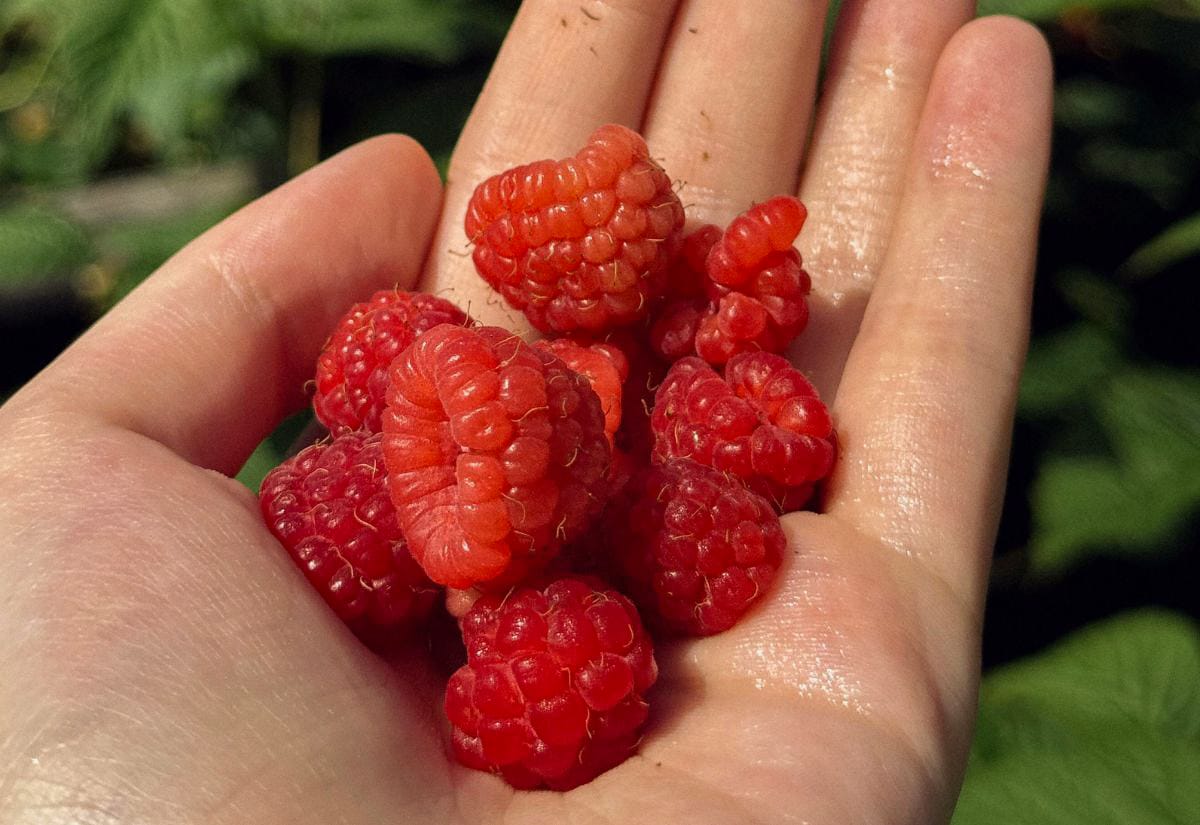
Raspberry leaf is one of my favorite background herbs because it has a mild black-tea-like feel without caffeine. Nettle has a green, mineral taste that works best when paired with brighter flavors. Chamomile softens sharper herbs, but too much can make iced tea taste heavy to me.
Give It a Bright Finish
Cold drinks need a little lift. Citrus, hibiscus, lemon balm, berries. Something bright. If it tastes flat, don’t reach for sugar first. Add acid. That’s usually the fix.
How to Brew Herbal Tea for Iced Tea
The main thing to know is this… iced tea needs to be stronger than hot tea.
Hot Brew Method
The hot brew method is the fastest and the one I use most often when I remember at lunchtime that I wanted iced tea by supper.
Use hot water, steep your herbs, strain them out, then chill the tea in the fridge. If you plan to pour it over ice right away, make it stronger than you think you need. The ice will water it down.
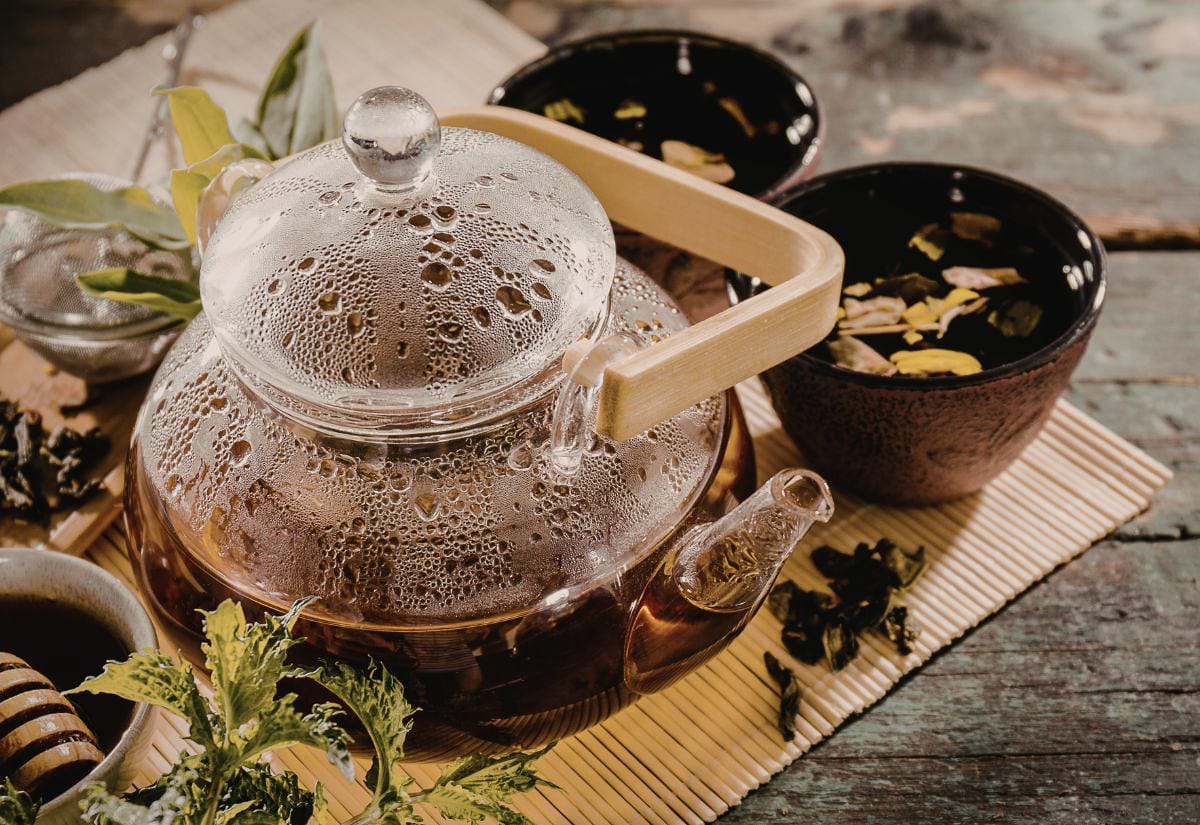
This method works especially well for dried herbs, roots, barks, seeds, citrus peel, and anything that needs heat to release its flavor.
If you dry a lot of what you grow, this is where drying your own herbs for tea becomes worth the little bit of effort. A few jars of dried mint, lemon balm, or chamomile can carry you through the season long after the garden gets away from you.
Cold Brew Method
Cold brew is slower, but it’s easier. Throw everything in cold water and leave it alone for a few hours or overnight, then strain.
This method is nice for tender herbs like mint, lemon balm, and chamomile because it keeps the flavor softer and less bitter. I’ll admit, I don’t always plan ahead well enough for cold brew, but when I do, it feels like I have my life together for about twelve minutes.
It won’t hit as hard, so use more than you think you need.
How to Keep Herbal Iced Tea from Tasting Bitter
Bitterness usually comes from steeping too long, using too much of a strong herb, or letting green-tasting herbs dominate the blend. Mint can get harsh if it sits too long in hot water. Hibiscus can get too sour if you use a heavy hand. Lavender can go from lovely to soap-adjacent faster than I care to admit.
If a blend tastes bitter, dilute it with cold water, add lemon or fruit for balance, or turn it into a lightly sweetened tea concentrate instead of tossing it.
Summer Iced Herbal Tea Recipes to Try
I use whatever’s on hand and adjust as I go. Fresh herbs, dried herbs, whatever I’ve got. Fresh takes more. Dried takes less. That’s about all you need to remember.
Lemon Balm Mint Iced Tea
This is the blend I’d hand to someone who says they don’t really drink herbal tea. It’s clean, bright, and easy to like. Lemon balm brings a gentle lemon flavor without being sharp, and mint makes the whole thing feel cold even before the ice hits the glass. I like this one lightly sweetened with honey or simple syrup, but it doesn’t need much.
Hot brew works fine, but cold brew is especially good here. Let the herbs steep in the fridge overnight, strain in the morning, and you’ve got something that tastes like summer without trying too hard.
Hibiscus Orange Iced Tea
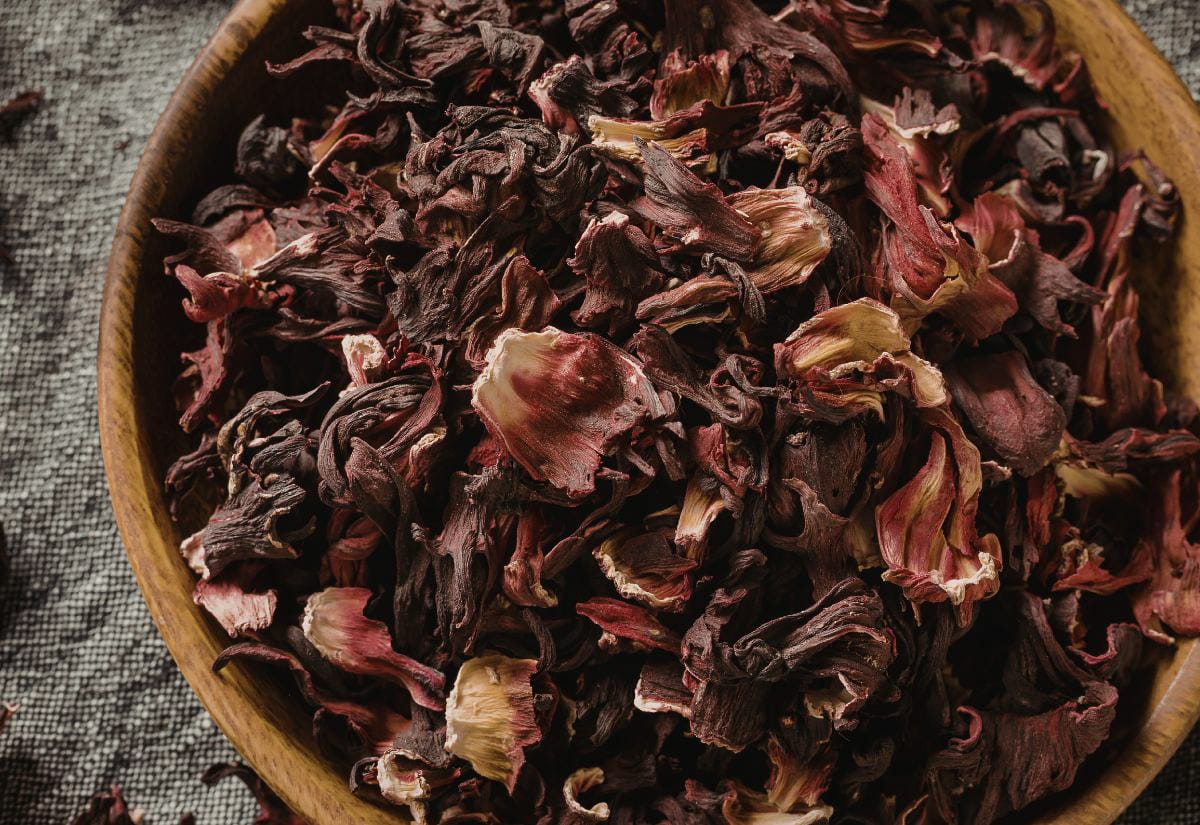
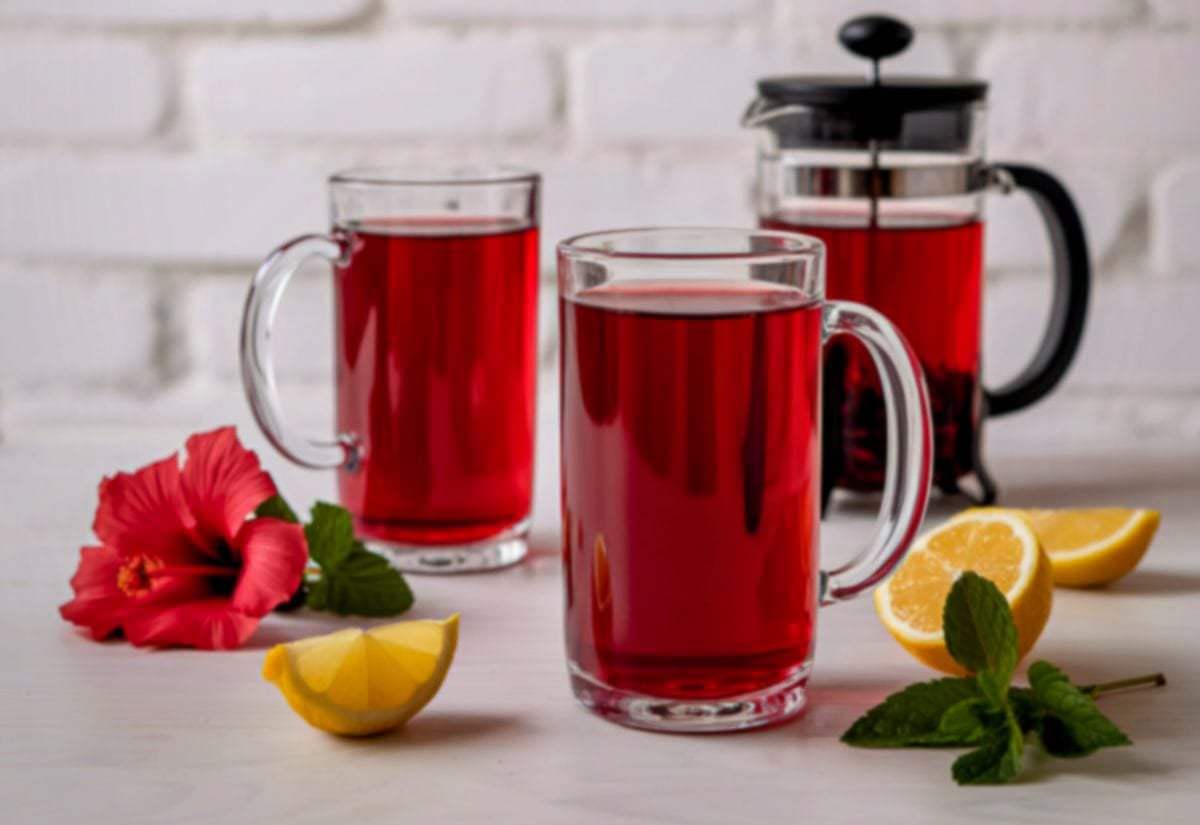
Hibiscus makes a gorgeous ruby-red tea with a tart flavor that holds up beautifully over ice. Orange peel softens the tartness and makes it feel more rounded. It’s the closest thing to a fruit punch-style tea I make. Kids may like it more with sweetener, since hibiscus has a cranberry-like bite.
I prefer this as a hot brew because dried hibiscus releases color and flavor quickly. Just don’t let it steep forever unless you want your tea to make your face pucker.
Chamomile Lavender Vanilla Iced Tea
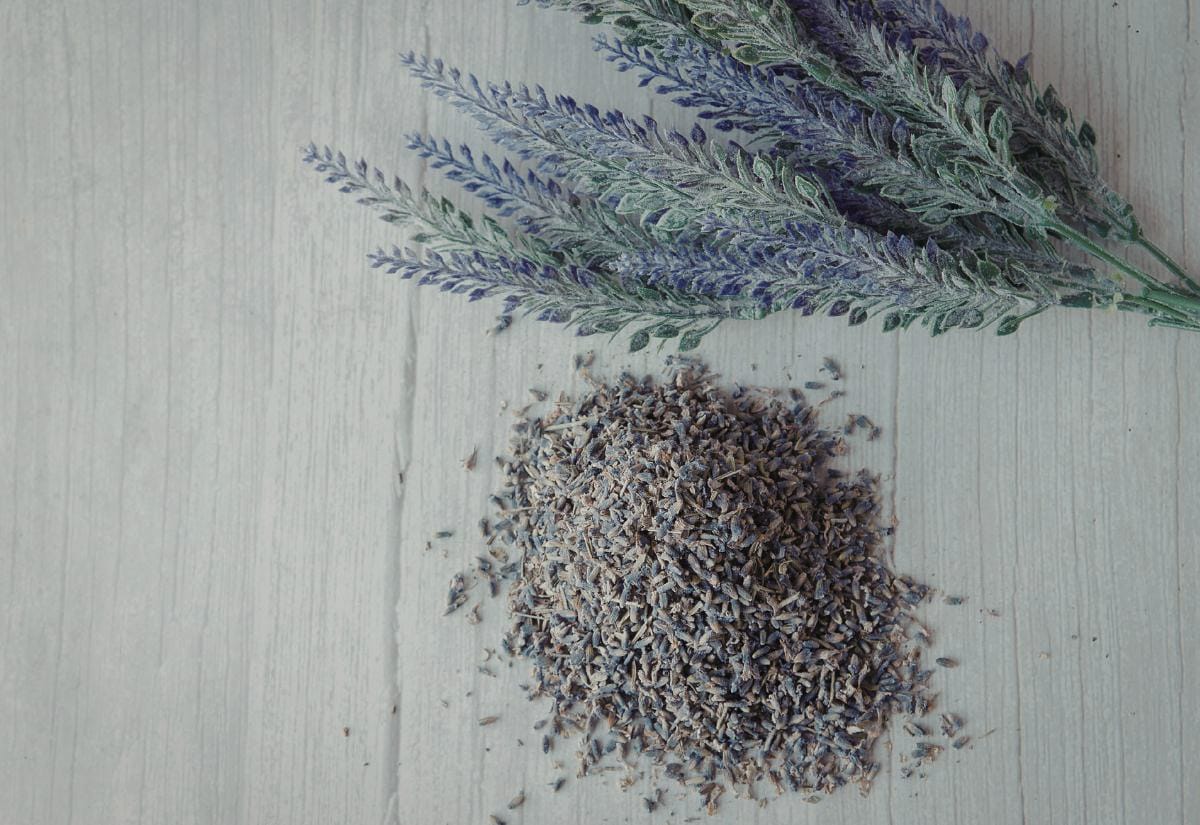
This one is softer and more floral. It’s the tea I’d make for a slow evening after a hot day, especially if the garden has been rude and the mosquitoes are winning. Chamomile is the base, lavender is the accent, and vanilla rounds it out. Use a very light hand with lavender. It should whisper, not walk into the room wearing perfume.
I like this one chilled, not watered down with ice. Too much ice kind of kills this one.
Raspberry Leaf Lemon Iced Tea
Raspberry leaf has a mild, earthy flavor that reminds me a little of black tea, but without the caffeine. Lemon brightens it up and keeps it from tasting too green. I end up making this one a lot because it’s just easy. I like adding lemon juice after the tea has cooled because the flavor tastes fresher that way.
This is where growing your own herbs really pays off. You can start small with using herbs from your garden and build from there.
Mint Hibiscus Berry Tea
This one’s a little louder than the others. Hibiscus brings the tartness, mint cools it down, and berries make it feel more like a summer drink than a plain herbal tea. You can use fresh berries, frozen berries, or even a spoonful of berry syrup if that’s what you have. I like this one when it’s hot enough that plain water feels boring, but I don’t want another sweet drink.
It’s hard to mess this one up. If it comes out too strong, dilute it. If it comes out too tart, sweeten it lightly. If it comes out too mild, call it “subtle” and try again next time. We’ve all been there.
Fresh Herbs vs. Dried Herbs
I use both, depending on what I have.
Fresh herbs taste brighter and greener. They’re wonderful in summer because you can grab a handful from the garden, rinse it off, and make a pitcher without turning it into a whole project. Dried herbs are stronger and easier to keep on hand. They also make it possible to keep drinking your favorite blends after the garden slows down.
The biggest thing is storage. Dried herbs lose flavor when they’re exposed to light, heat, and air for too long. If your tea tastes like nothing, the problem might not be the recipe. It might be tired herbs. This is why I’m picky about storing dried herbs so they keep their flavor. A good jar of dried lemon balm or mint should still smell like something when you open it. If it smells like dusty hay, it’s probably not going to make a great pitcher of tea.
How to Adjust Your Tea So It Tastes Better
This is what makes the biggest difference once you start making your own. Recipes are helpful, but your herbs, your water, and your taste buds are going to vary.
- If your tea tastes too weak, brew it stronger next time instead of steeping it longer. Longer steeping can pull out flavors you don’t want. More herbs usually works better than more time.
- If your tea tastes flat, add lemon juice, orange peel, hibiscus, or a few crushed berries. Cold drinks need a little brightness.
- If your tea tastes too sharp, add mint, chamomile, raspberry leaf, or a small amount of sweetener. Don’t dump in sugar before you know what the tea needs.
- If your tea tastes bitter, shorten the steeping time and use a gentler hand with strong herbs like lavender, hibiscus, and some mints.
- If your tea tastes too sweet, add lemon or dilute it with unsweetened tea. I’d rather start lightly sweetened and add more later than make a whole pitcher taste like melted candy.
A Few Things You Might Be Wondering About Iced Herbal Tea
Most of it is straightforward, but there are a few things that can throw you off early on.
Pin this so you always have a few go-to iced herbal tea blends ready when the heat hits.
Herbal iced tea has ended up being one of those things I keep coming back to every summer. It helps you use what’s growing, keeps a better drink in the fridge, and gives you something refreshing without making every hot afternoon revolve around sugar or caffeine.
Start with one blend that sounds good. Taste it. Adjust it. Write down what worked so you’re not trying to remember later with a sweaty glass in one hand and garden dirt on your knees.
If you have a favorite herb combination for iced tea, I’d love to hear it. Leave a comment so we can all add a few more good summer blends to the rotation.