What Organic Gardening Means in a Real Backyard Garden
What organic gardening really means in real life, what it doesn’t mean, and how to grow healthier food without chemicals or perfection.
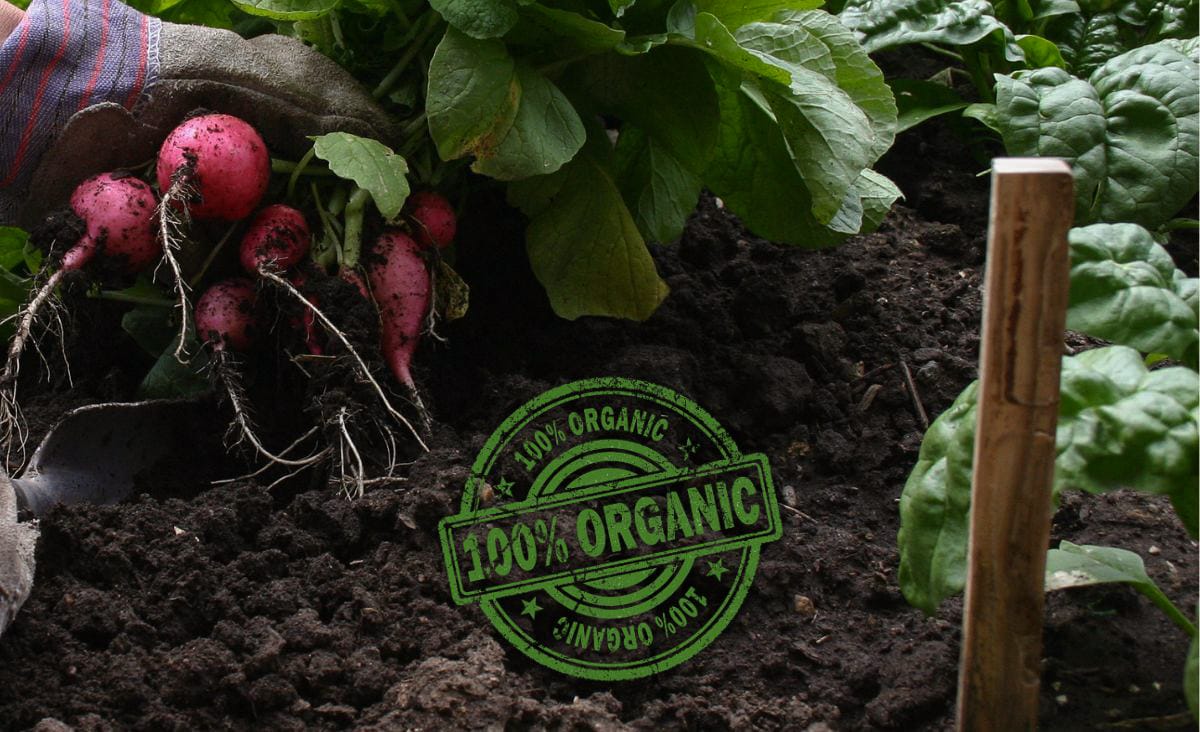
If you’ve ever stood in the garden aisle staring at bags labeled “organic,” “natural,” and “eco-friendly” and thought… okay, but what does any of this actually mean? You’re not alone. I’ve been gardening long enough to know that “organic” can get used like a vibe instead of a clear set of choices.
And honestly, that’s part of the problem. A lot of people picture organic gardening as either expensive, complicated, or something you have to do perfectly. Like you need special products, a perfect compost pile, and a garden that never has a bug on it.
That’s not what it is. Let’s talk about what organic gardening really means in real life, what it doesn’t mean, and how you can start (or shift) your garden in that direction without letting it take over your life or your sanity.
So What Is Organic Gardening, Really?
Organic gardening is basically this… growing plants by building healthy soil and managing problems without synthetic chemicals. It’s a lot simpler than people make it. But here’s the part that matters even more: organic gardening is less about what you don’t use, and more about what you do instead. When I’m not sure what to do, I come back to these basics:
- Feed the soil so the soil can feed your plants
- Prevent problems before they start
- Work with the life already happening in your yard (worms, fungi, beneficial insects, bacteria)
- Keep things safer for kids, pets, pollinators, and yourself
And yes, you can absolutely do this in a real-life backyard garden. Mine has weeds. Mine has years where the squash gets wrecked, and beds I swore I’d fix this season… still waiting. Organic gardening still works.
What Organic Gardening Isn’t
This is the part that trips people up, so let’s talk about it.
It’s Not “Perfect Gardening”
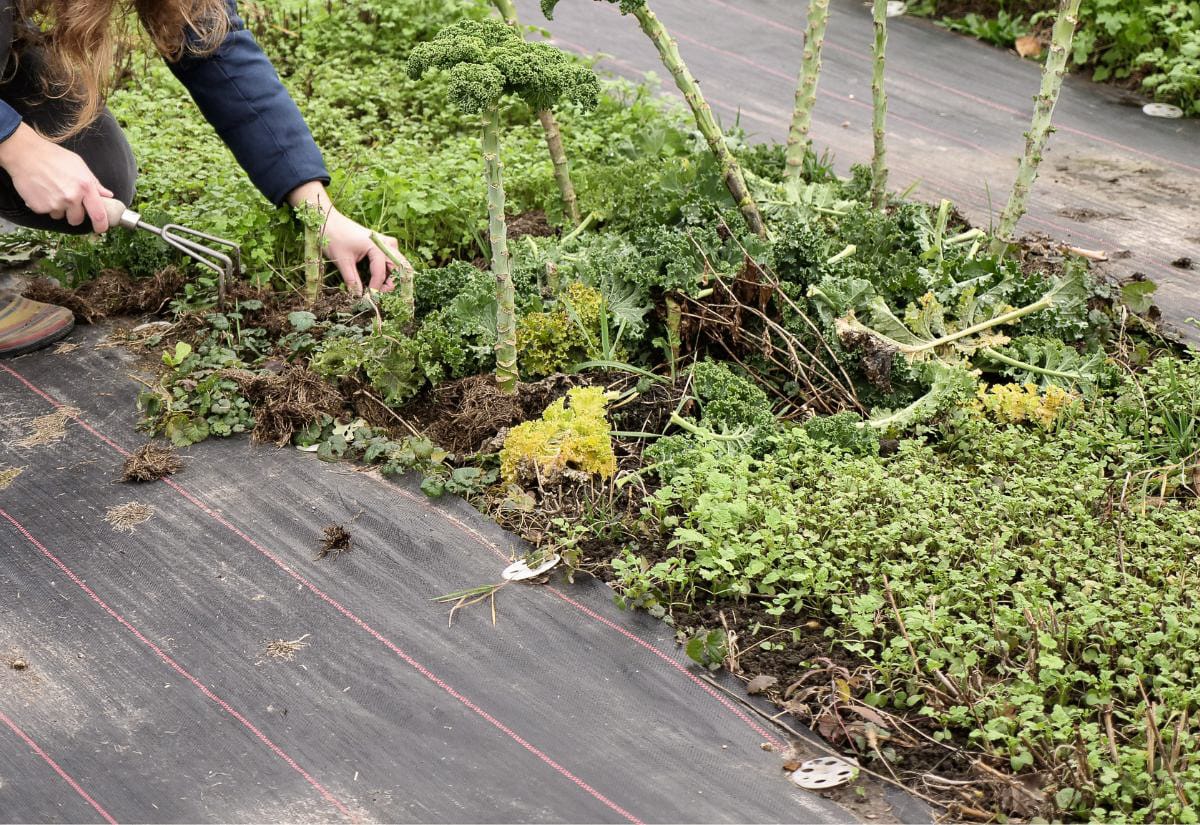
Organic doesn’t mean you never struggle. It doesn’t mean your tomatoes are always flawless. It doesn’t mean you’ll never have pests, disease, or blight. It’s a lot of watching, tweaking, and figuring things out as you go.
It’s Not “Buying the Right Products”
Companies love to make it seem like you can buy your way into organic gardening. Sometimes those products are useful, but organic gardening works best when your foundation is solid. I’ll take someone who mulches, composts, rotates crops, and pays attention over a shelf full of sprays any day.
It’s Not “Doing Everything at Once”
If you’re feeling overwhelmed, you’re normal. Gardening has a way of making it feel like you need to know a hundred things before you’re “allowed” to start. If that’s you, go read where to begin when you want to garden but feel totally overwhelmed first, because it’s exactly the headspace most of us start in.
The Heart of Organic Gardening is Soil
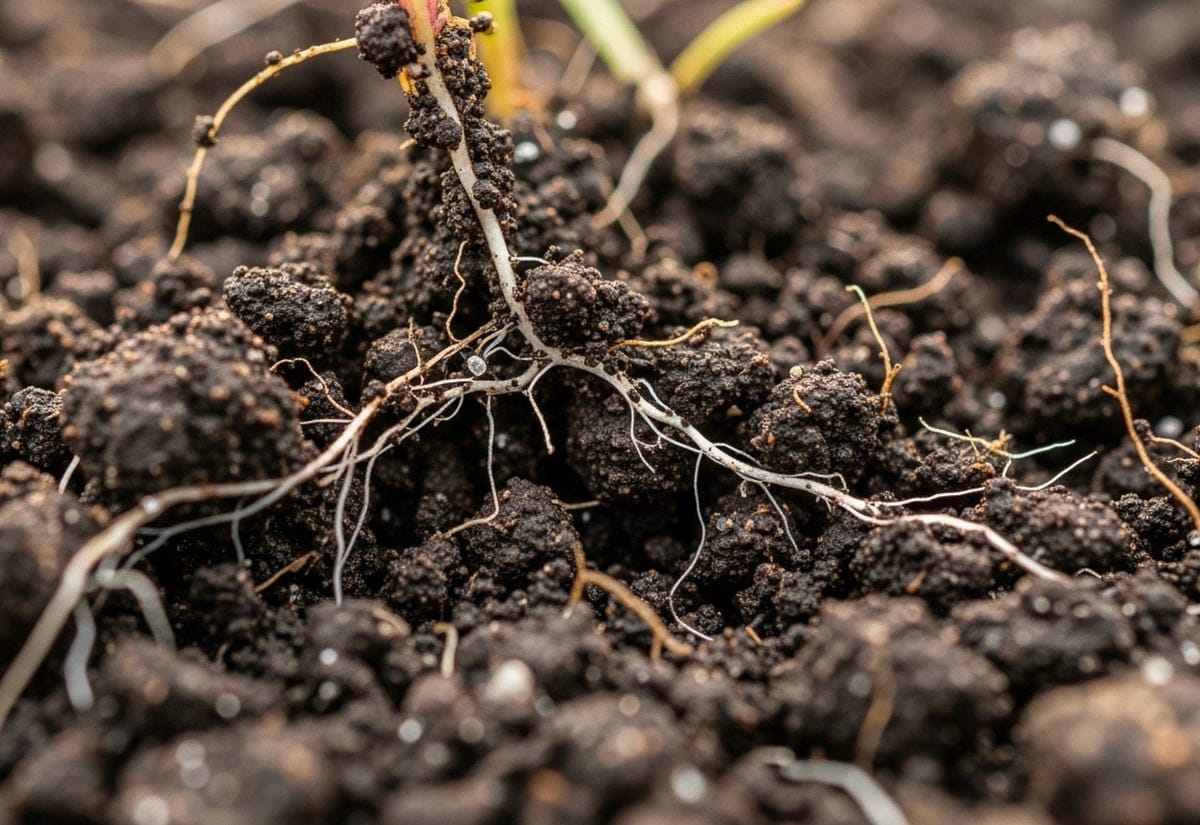
If I had to pick one thing that makes the biggest difference in an organic garden, it’s soil. Not perfect soil. Just soil that’s being improved instead of depleted. Healthy soil makes everything easier on you.
- Helps plants handle stress (drought, temperature swings, pests)
- Holds moisture better
- Provides nutrients slowly and steadily
- Supports beneficial microbes and fungi that literally help plants access what they need
This is also why organic gardening can feel slow in the beginning. You’re not forcing growth with quick-fix inputs. You’re building a system that keeps getting better.
If Your Soil is Rough Right Now, You’re Still Not Stuck
A lot of us start with whatever the yard gives us. Compacted soil. Sandy soil. Clay. Ground that’s been neglected or treated or built on.
If you suspect your soil is in bad shape, this is where simple strategies for repairing damaged garden soil can be a lifesaver. Also, if you’re starting from scratch, how to start a garden in your yard no matter the space or soil is a good “start here” roadmap that keeps things realistic.
Fertility in an Organic Garden
This is where organic gardening starts to feel “real” because you’re deciding how to feed your garden.
Compost is the Safest Place to Start
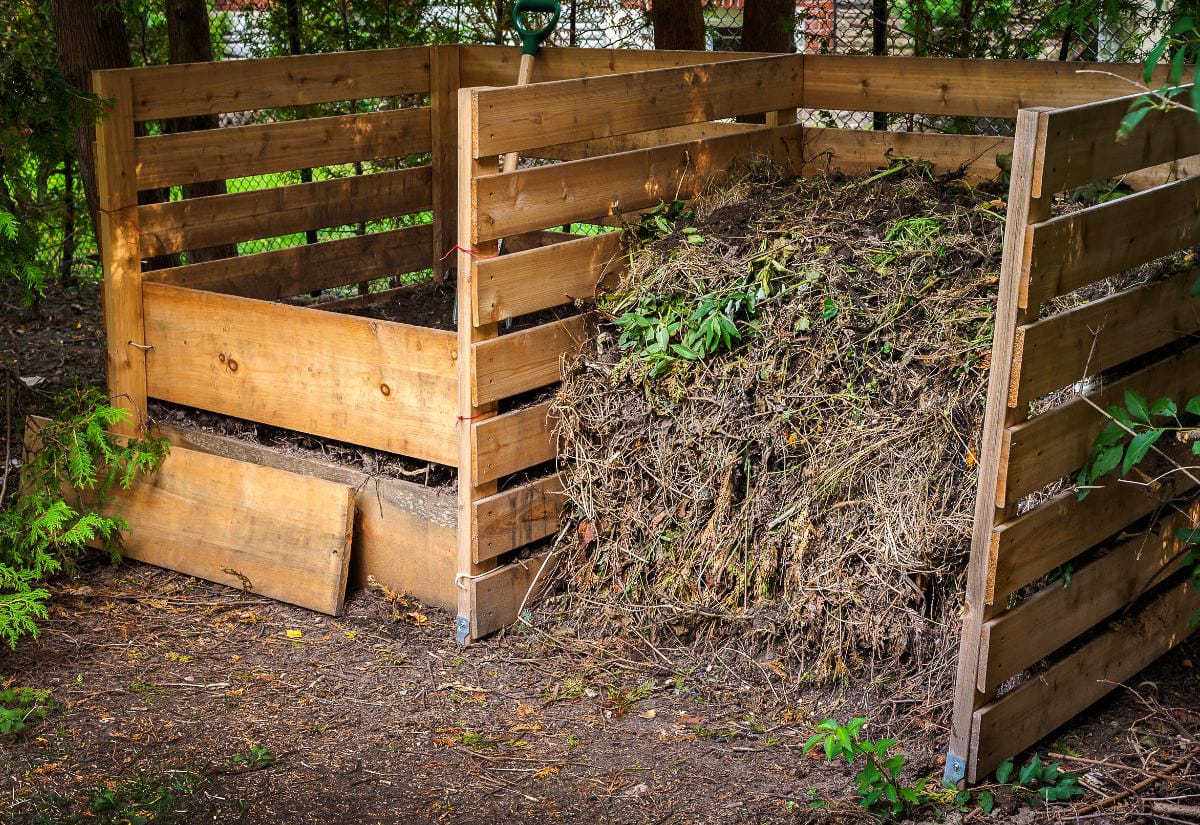
If you do nothing else, add compost. Compost is my default because it helps almost everything, and it’s hard to overdo. If you’ve never composted before (or you had a compost pile that went very, very wrong), this composting starter guide for beginners will walk you through it in a way that makes sense.
Compost is one of those things that feels like a chore until you realize it solves like… eight problems at once. Kitchen scraps, garden waste, soil quality, moisture retention.
Manure is Useful… But it’s Not Automatically “Organic”
Manure is one of the most misunderstood inputs in gardening. People hear “manure” and think it’s always natural and always safe. It’s not that simple.
Some manure can carry persistent herbicides from hay or bedding, and once that’s in your soil, you’re dealing with it for a while. If you use manure (or composted manure), you need to know what you’re working with. Before you spread anything, read these facts every gardener should know about manure so you don’t learn the hard way.
Organic Amendments are Helpful When They’re Used with Intention
This is the spot where people either go overboard or get intimidated. You do not need a complicated amendment schedule. But it is helpful to understand what common amendments do, when they matter, and things that sound helpful but don’t change much. If you want a know what’s worth using, organic soil amendments that help build healthy soil is a good next step.
My opinion? In most home gardens, compost and mulch get you 80% of the way there. Amendments can fine-tune things, but they don’t replace the basics.
Organic Pest Control Starts Long Before You See Bugs
Organic gardening doesn’t mean you ignore pests. It means you manage them in a way that doesn’t nuke everything else in your garden. A lot of people think organic pest control equals “do nothing and hope for the best,” and that’s not how it works.
Start by Making Your Garden Harder to Attack
Healthy soil helps plants resist pests and disease. Diverse plantings help confuse pests. Mulch helps keep soil consistent. Row covers can save entire crops. And sometimes, you need a quick fix. If you’re in the middle of a “what is eating my plants” moment, these natural pest control tricks that work fast can get you back on track without spiraling.
The Goal Isn’t Zero Bugs
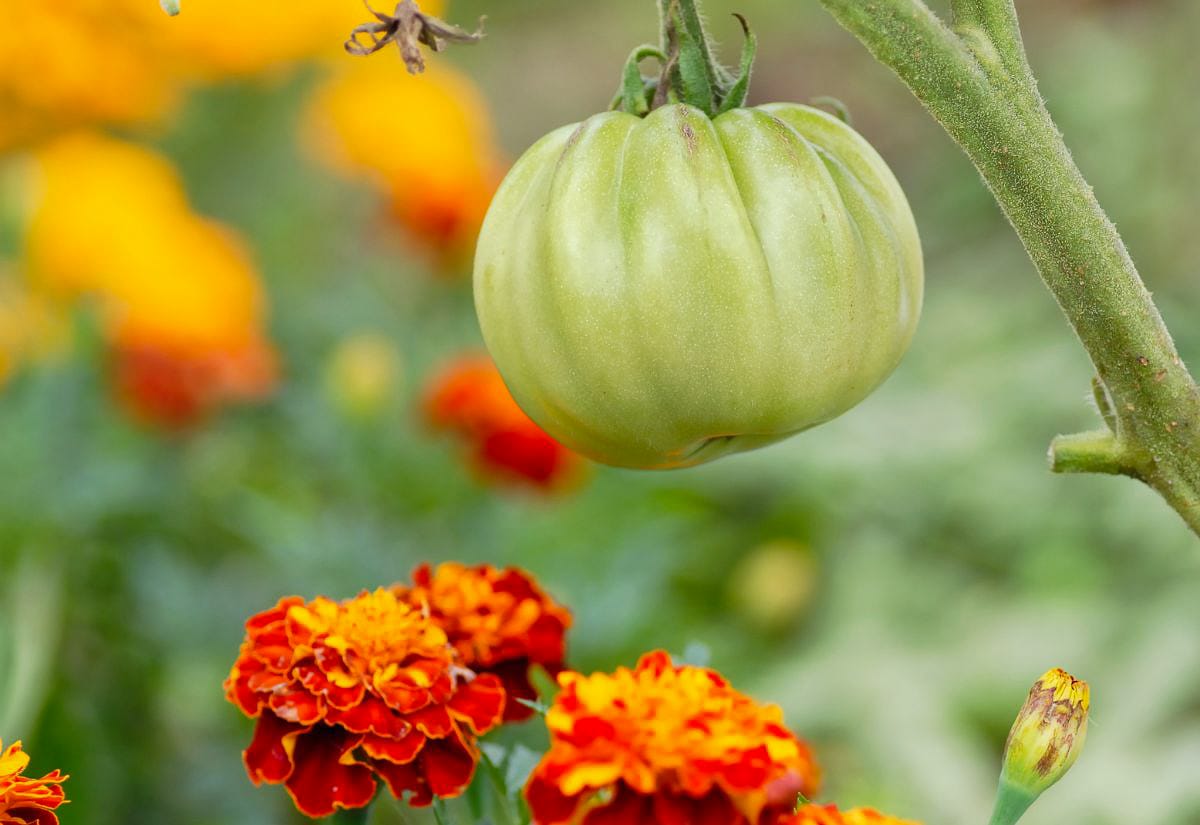
This is something I wish more people said out loud. Organic gardens have life in them. That’s the point. If you wipe out everything that crawls, you also wipe out the predators that keep pests under control. So yes, you’ll see bugs. You’re aiming for balance, not sterile perfection.
Seeds Matter (Especially in a Short Season)
When people struggle with gardening, they often assume they’re “bad at it.” But a lot of the time, it’s a seed choice problem.
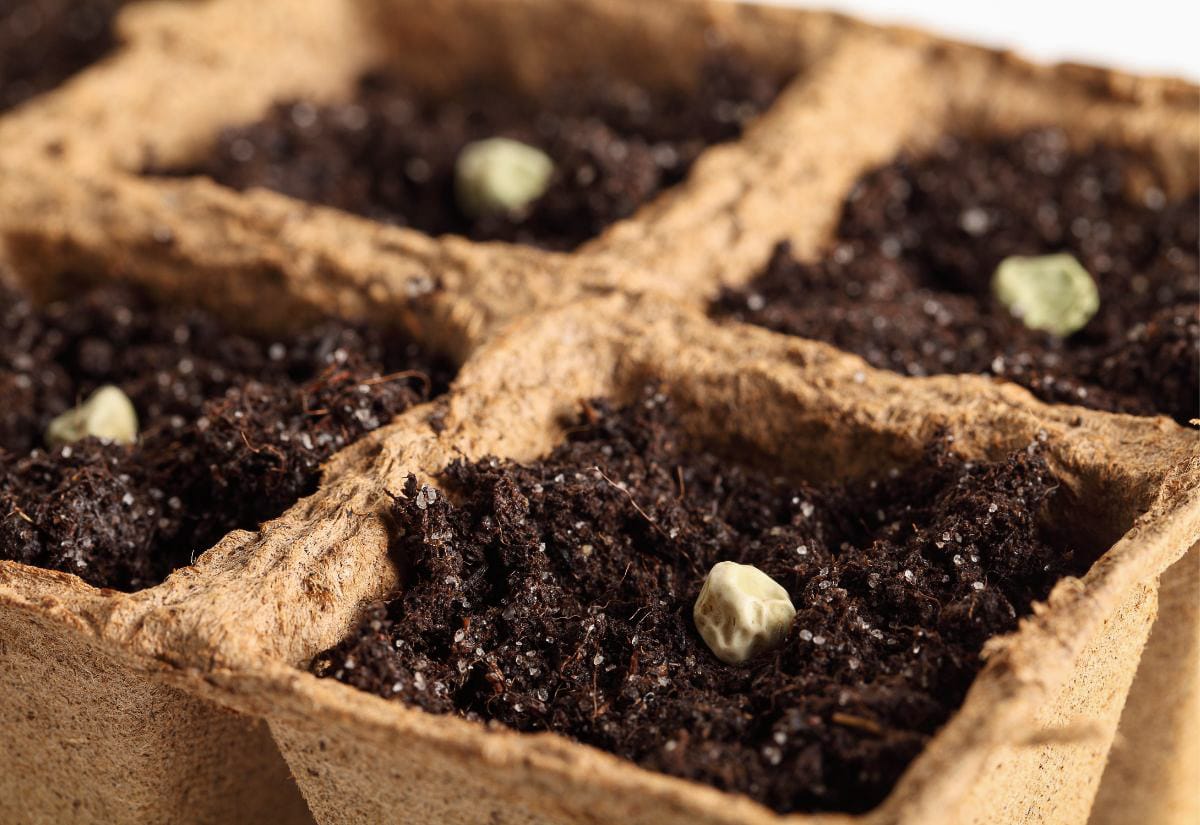
If you’re planting long-season crops in a short season, or choosing varieties that don’t handle your weather, you’re fighting uphill from the start. Choosing seeds that match your climate makes a huge difference. And if you’re new to seed starting, don’t start with the hardest plants in the catalog. Start with confidence builders. I put together a list of easy vegetables that are beginner-friendly to grow from seed because early wins matter.
I’ve had years where I got cocky and tried to start a bunch of difficult varieties, and it humbled me real quick. Some seasons are for experimenting. Some seasons are for “let’s just grow food and keep our sanity.”
A Simple Way to Start Organic Gardening
If you want the easiest on-ramp, here’s what I’d do first:
- Stop the chemical cycle. If you’ve been using synthetic fertilizers or sprays, the first step is simply… pause. Let your garden reset.
- Add compost and mulch. Compost feeds the soil. Mulch protects it. This combo is the backbone of organic gardening, and it’s not complicated.
- Focus on soil before you chase problems. When pests or disease show up, your instinct is to treat the symptom. Organic gardening works better when you ask, “What made this plant vulnerable?”
- Choose plants that match your reality. Your climate. Your time. Your space. Your attention span. All of it counts.
If you need a more complete “start here” plan, this guide to starting a garden in your yard even if your conditions aren’t perfect is the one I’d use.
Still Wondering How Organic Gardening Works?
Here are a few things people often wonder when they’re trying to figure out what “organic” really means in real life.
Pin this so you have a practical, no-nonsense organic gardening guide handy when garden season rolls around.
Organic gardening is just a direction you move in, one choice at a time. It’s a way of growing that gets better with time. You build soil. You pay attention. You learn what works in your own yard. And you don’t have to do it perfectly for it to be worth it.
If you’re working toward organic gardening this year, I’d love to hear what your garden looks like right now. Are you starting from scratch, trying to fix tired soil, or just cutting back on chemicals?
Drop a comment and tell me what you’re growing, and what you’re struggling with. I read every one.