
Is Back to Eden Gardening Easier After the First Year?
Is Back to Eden gardening easier? Here’s the honest answer from real experience, including the work upfront and what gets easier over time.
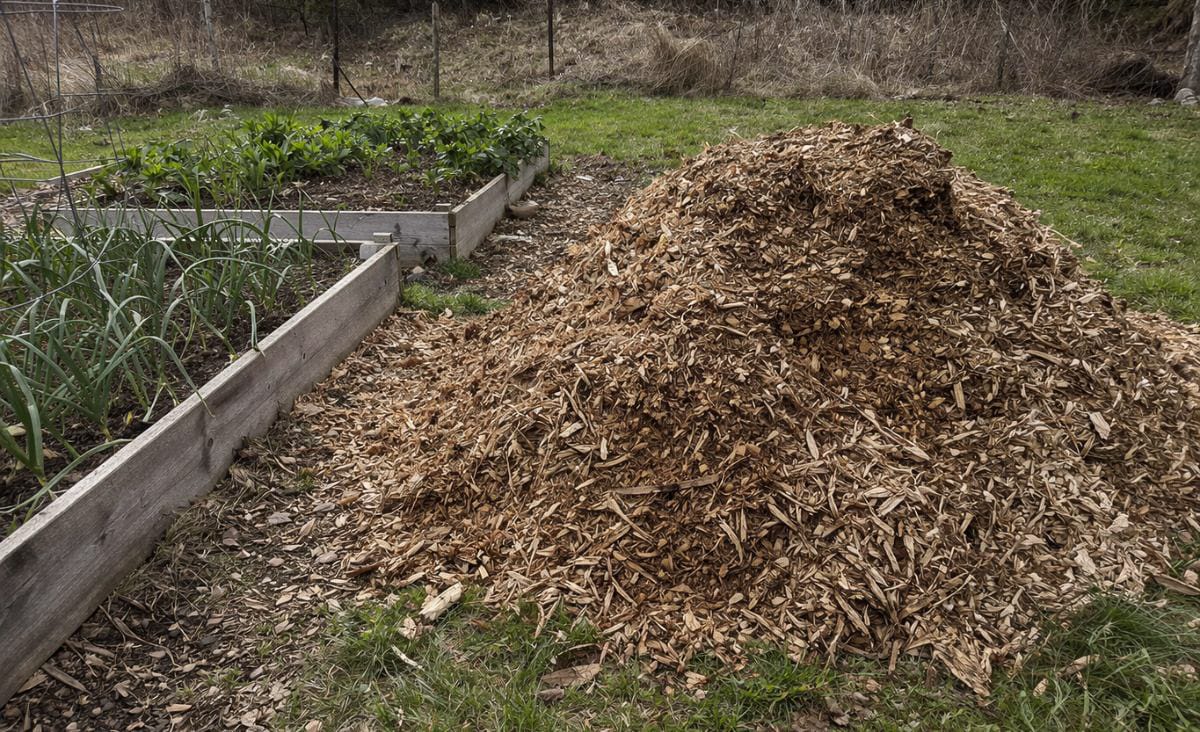
The first time I tried Back to Eden gardening, I remember standing in my yard, staring at a pile of fresh wood chips that looked more like a landscaping project than a garden. It was early spring, the ground was still cold, and I was already questioning my life choices. I had read that this was supposed to be easier. It didn’t feel easier.
Over the years, I’ve used this method in a few different setups, from small beds to larger garden areas. I’ve had seasons where it felt like more work than anything else. And I’ve had seasons where I barely touched the garden outside of planting and harvesting. That’s when it stopped feeling like work and started feeling like it was doing things on its own.
If you’re hoping for a lazy gardening method, the answer isn’t a simple yes or no. The honest answer is no at first and yes later.
What People Mean by a “Lazy Gardening Method”
When most people say they want a lazy gardening method, they’re not saying they want to do nothing. They want something that doesn’t demand constant attention. Less watering. Less weeding. Fewer things that need to be fixed every week.
Back to Eden can get you there, but it definitely doesn’t start there. If you’re new to the method, it helps to understand how Back to Eden gardening works in practice. In the beginning, you’re building a system, not just planting a garden.
If you want easy right away, this isn’t it. If you’re okay putting the work in up front, it starts to pay you back later.
The First-Year Reality: Where Most People Give Up
Year one is usually where people decide this wasn’t worth it.
The Setup Takes More Time Than You Expect
You’re not just tossing mulch down and walking away. You’re sourcing wood chips, laying down cardboard, hauling materials, and spreading thick layers of mulch. If you’re picturing a couple bags of mulch, this is quite a bit more than that. Even a small garden can mean moving and spreading several cubic yards of wood chips.
If you’ve ever tried to move a pile of fresh arborist chips by hand, you already know. It’s not light work. And if you’re juggling kids, animals, or a job, it can feel like a lot all at once.
Early Results Can Feel Slow
The first growing season can be a little underwhelming. Plants may struggle at first. You might see slower growth, pale leaves, or seedlings that just seem to sit there instead of taking off. Soil takes time to wake up. Everything looks a bit… unfinished.
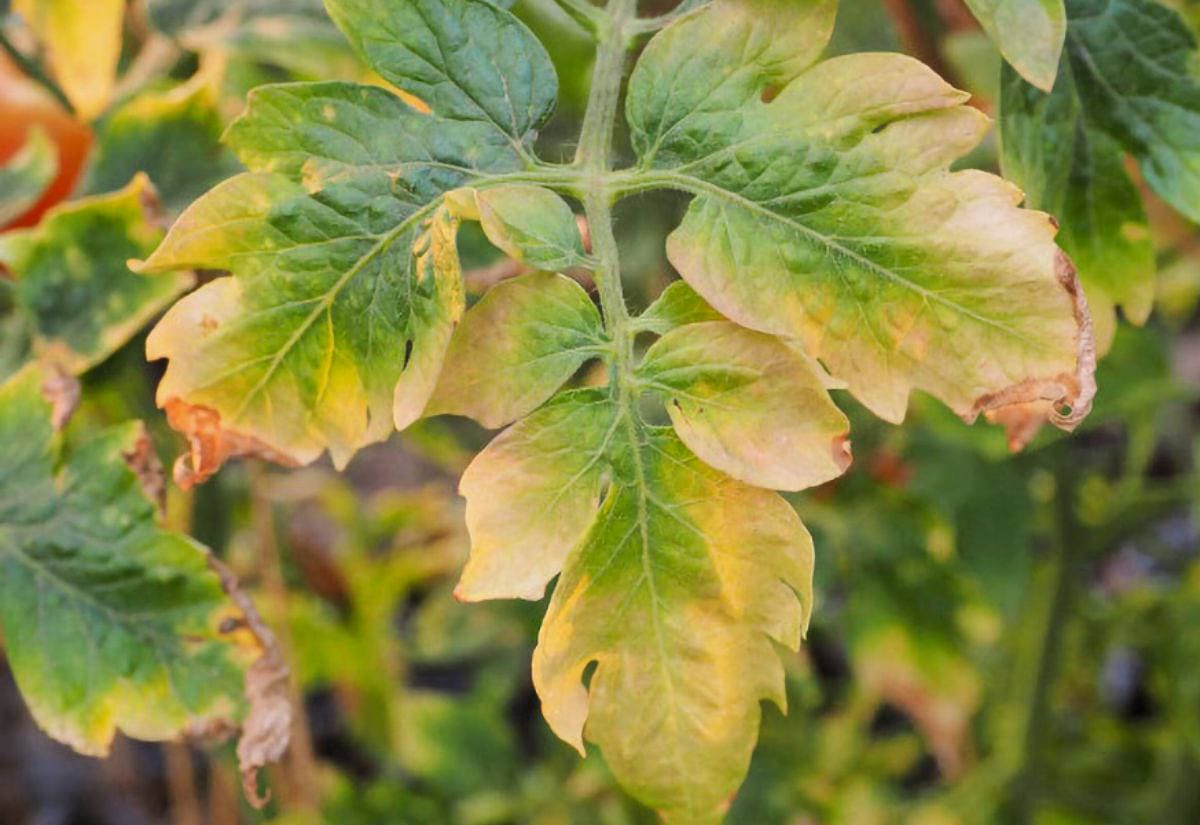
Most of the disappointment I see ties back to expectations, which I break down more in common misconceptions that trip people up early on. If you go into year one expecting instant results, you’ll likely walk away before the benefits show up.
What Changes After Year One
This is where things start getting easier. Not overnight, but gradually enough that you notice.
Less Watering, Less Weeding, More Stability
Once the mulch starts breaking down and the soil biology gets going, the garden begins to hold moisture better. That alone changes your daily workload. Weeds don’t disappear, but they’re easier to manage.
The Garden Starts Doing Some of the Work
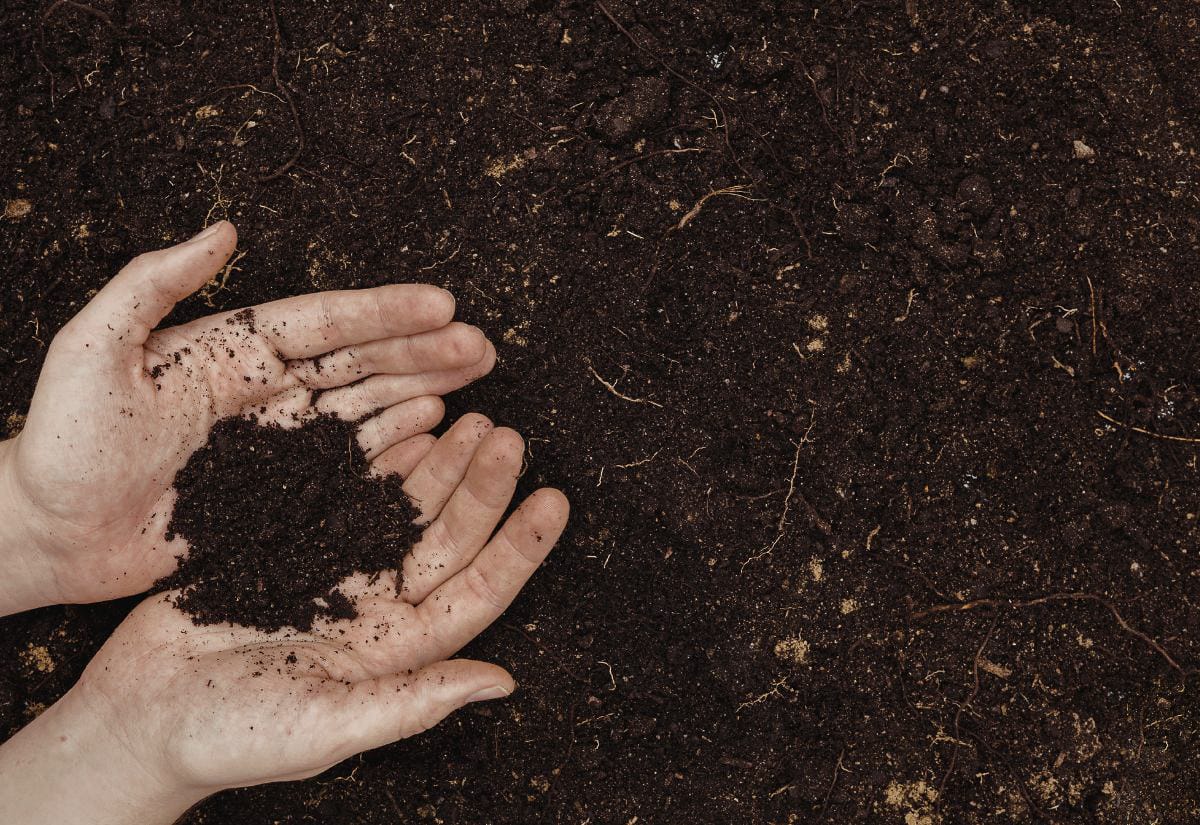
After a couple of seasons, the soil gets darker, looser, and easier to work with, even if you started with something like sand or hard-packed dirt. You’ll notice it holds moisture better and doesn’t crust over the way bare soil often does. Digging becomes easier, and you start seeing more worms and organic matter throughout the bed.
You’re not rebuilding it every year. You’re maintaining it. If you’ve ever struggled with poor soil, this long-term improvement is worth understanding, especially if you’re working on how to rebuild and improve poor soil over time.
It doesn’t mean you never do anything. It means the garden stops fighting you.
Pros and Cons for Busy Gardeners
If you want to save time down the road, this is the trade.
Where It Saves Time
Once it’s established, you’re not out there nearly as often.
- You water less often because the soil holds moisture
- You weed less frequently and with less effort
- You spend less time fixing soil problems each season
These changes don’t show up right away, but once they do, they’re noticeable.
Where It Demands More Time
The downside is you’ve got to put the effort in early and be patient.
- Initial setup can be labor-intensive
- Results take time to build
- You may need to adjust how you plant and manage beds early on
You’re doing more now so you don’t have to later.
If you’re exploring other approaches, it can help to look at another low-maintenance gardening approach that builds soil over time and compare how they fit your space and energy.
Who This Method Works Best For
This isn’t the right fit for everyone, and that’s okay.
A Good Fit If You’re Thinking Long-Term
If you plan to garden in the same space for several years, Back to Eden starts to make a lot of sense. The longer you use it, the easier it gets. It also works well if you prefer systems that improve over time.
Not Ideal If You Want Immediate Results
If you’re hoping for quick, easy results this season, this method can feel frustrating. It asks for patience up front. It can also be harder if you don’t have easy access to mulch materials. Around here, I rely on local tree companies, but that’s not always an option depending on where you live. If you have to buy bagged mulch, the cost alone can make this method feel unrealistic.
If you’re looking for easy this year, I’d start somewhere else, like these ways to make gardening easier. And if you’re curious how different crops perform once things are established, it helps to look at which crops tend to do best in a Back to Eden setup before committing fully.
Questions About Whether Back to Eden Gardening Is Worth the Effort
If you’re on the fence, these are the things people usually ask.
Pin this to come back to when you’re deciding if Back to Eden gardening will really save you time in the long run.
Back to Eden doesn’t start out easy, even though people say it does. It asks more from you in the beginning. There’s no way around that. But if you stick with it, it can turn into one of the lower-maintenance ways to grow food that I’ve tried. The kind where it mostly takes care of itself.
If you’re on the fence, start small. Try one bed. That way, you’re not all in if it’s not your thing.
And if you’ve already tried it, I’d love to hear how it’s gone for you. What worked, what didn’t, and what you’d do differently next time.