
Natural Pet Care vs Vet Care: When to Handle It Yourself + When to Call
Trying to decide between natural pet care vs vet care? Here’s how I balance home care and professional help for working dogs and barn cats.
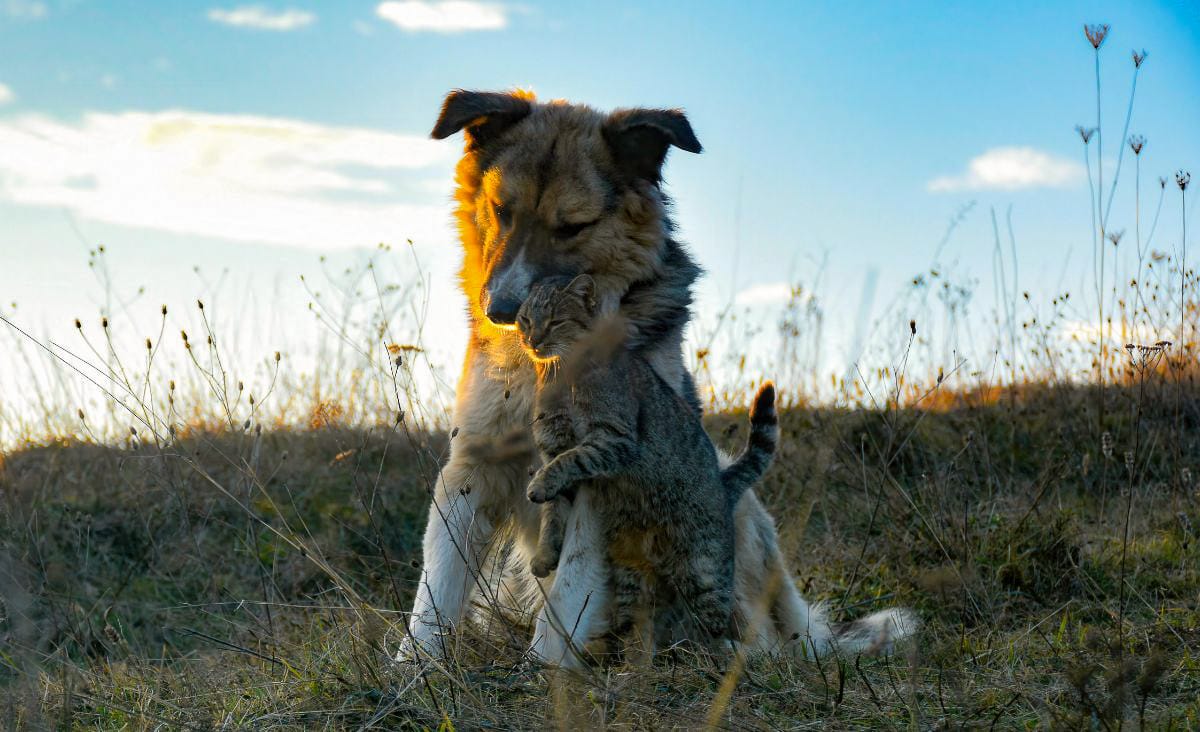
Living on a homestead changes how you think about animals. Your dog isn’t just a couch companion. Your barn cat isn’t just ornamental. They have jobs. They’re outside more. They encounter things suburban pets don’t. And that changes how we approach their health.
I believe deeply in natural pet care. I make things from scratch. I pay attention to diet. I’d rather prevent problems than medicate them. But I also have a veterinarian. And I use one.
The real conversation isn’t natural pet care vs vet care. It’s knowing when to handle something yourself and when to pick up the phone. Let’s talk honestly about what that balance looks like.
What Natural Pet Care Looks Like on a Homestead
Natural pet care isn’t just herbs and essential oils. Around here, it starts with the boring stuff. It’s prevention first. It’s noticing when something’s off.
Nutrition as the Foundation
If there’s one area where natural care makes a real difference, it’s food.
Feed a dog well, and you see it everywhere… coat, energy, digestion. That doesn’t mean guessing at recipes. It means making sure they’re getting what their body needs.
When I talk about feeding naturally, I’m not throwing scraps in a bowl and calling it good. If you’re making food at home, it has to be done right. That’s why I’ve written in detail about how to create healthy and balanced homemade dog food without cutting corners.
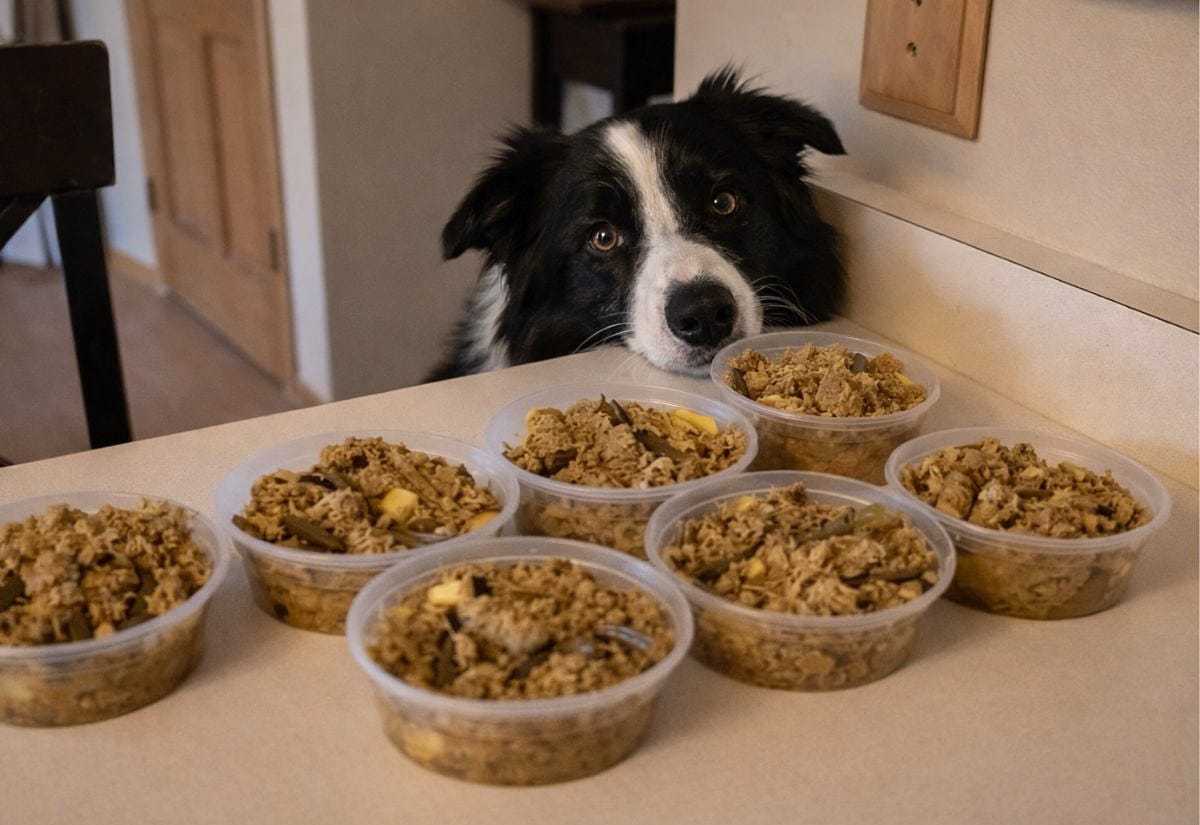
The same goes for treats. Homemade can be better, but only when it’s intentional. Even something simple like apple oatmeal dog treats can be a better option when you know what’s in them.
Grooming and Preventative Care at Home
Natural care also shows up in maintenance. Regular brushing. Checking ears. Trimming nails. Watching weight. Bathing when needed.
I prefer to keep grooming simple and gentle. When I make my own dog shampoo, it’s because I want to control what’s going on their skin, which matters even more when they’re outside rolling in who-knows-what all day.
Flea and tick prevention is part of this too. I’ve experimented with essential oil-based options like a homemade flea collar for dogs, but I approach those carefully. Natural doesn’t automatically mean safe. You still have to know what you’re doing.
Where the Vet Comes In
There’s a line where you stop adjusting things and start calling. That’s not a moral line. It’s a practical one.
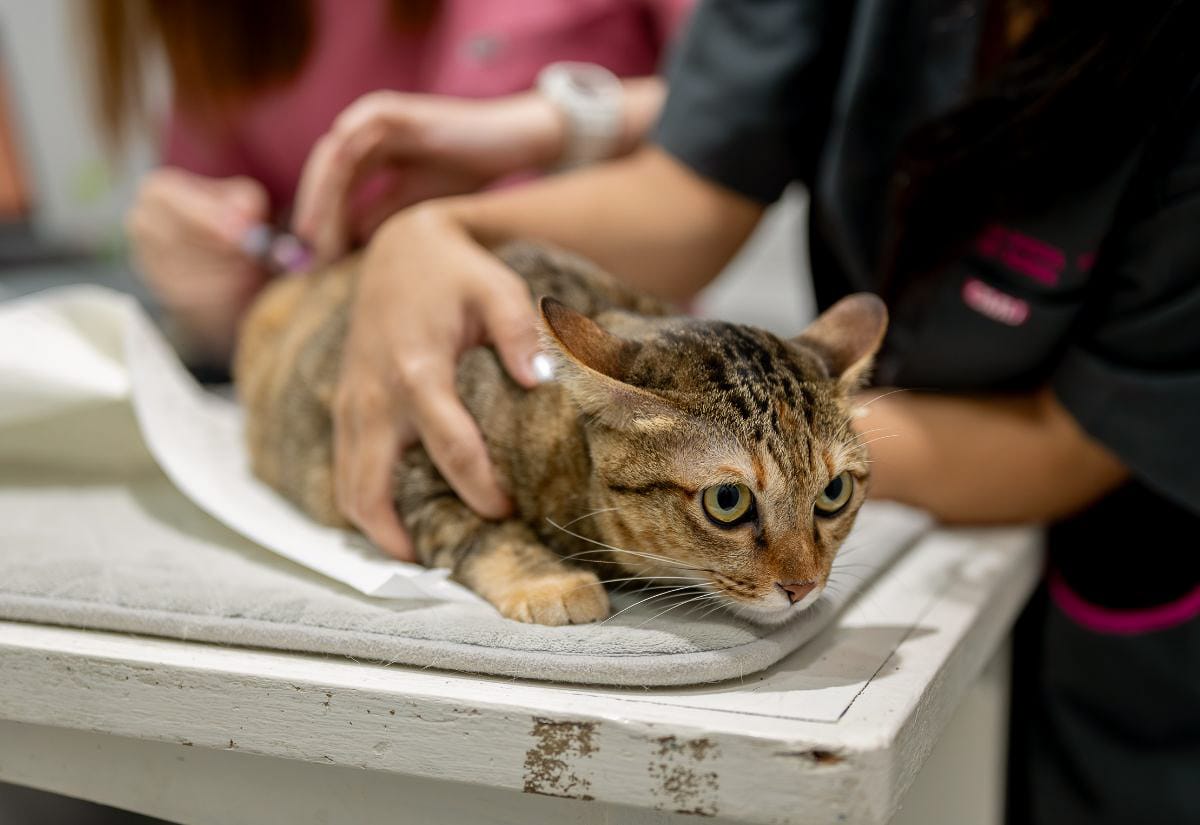
Diagnostics You Can’t Do at Home
I can observe appetite. I can monitor behavior. I can notice limping or lethargy. What I cannot do is run bloodwork or diagnose internal infections. If my dog stops eating and doesn’t rebound after a day of rest and hydration, that’s no longer a “wait and see” situation. If a barn cat shows signs of respiratory distress, I’m not experimenting with steam bowls and hoping for the best.
They can check what we can’t. And every now and then, the “minor” thing isn’t minor at all.
Emergencies and Escalation
There are moments when home care isn’t going to cut it. Deep wounds. Severe vomiting. Neurological symptoms. High fevers. Rapid weight loss. Labored breathing. Those are not “try a natural remedy first” moments.
I’ve learned to watch trends. If something is worsening instead of stabilizing, that’s my cue. The longer you wait on something serious, the harder it is to turn around.
Where Natural Care Ends and Vet Care Begins
This is where most of us hesitate. It’s not always obvious.
Early-Stage Issues That Often Respond to Home Care
If a dog has mild digestive upset after getting into something questionable, my first step is rest, hydration, and observation. If a barn cat seems slightly off after a weather swing, I look at stress and shelter before panicking.
Sometimes the simple stuff really does fix it. Clean bedding. Fresh water. Reduced stress. Sometimes that’s enough. But I give those corrections a reasonable window. If there’s no improvement, or if new symptoms appear, that’s the shift.
The 24-Hour Checkpoint
I don’t let things drag. If there’s no noticeable improvement within about 24 hours for mild issues, I reassess. If symptoms worsen at any point, I escalate sooner. That one rule has kept me from panicking (and from ignoring things too long). The goal isn’t to prove I can handle everything myself. The goal is to protect the animal.
Special Considerations for Working Dogs and Barn Cats
Homestead pets live differently than suburban pets.
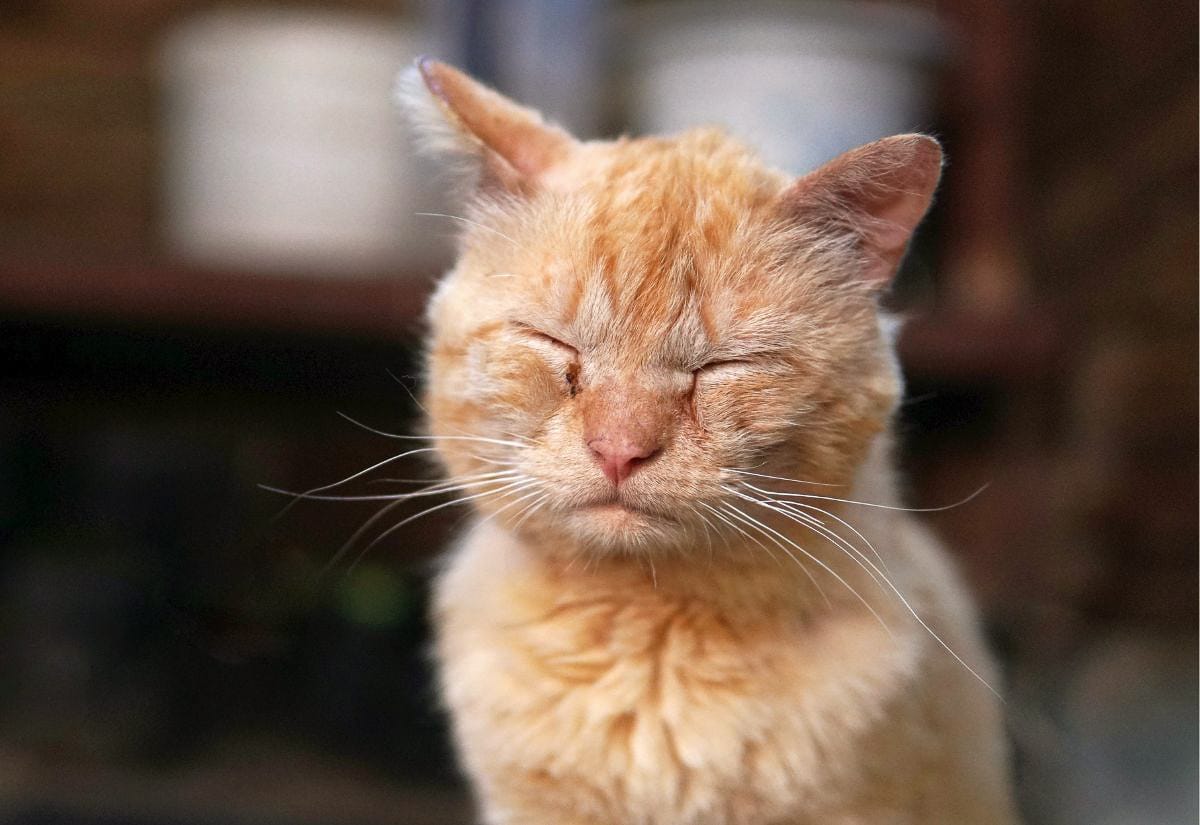
Dogs run fields, encounter wildlife, and burn more calories, especially when they’re guarding your livestock. Barn cats face weather, predators, and physical wear. That puts them in different situations than a house pet.
When you bring a barn cat onto a property for pest control, you’re committing to more than just letting it hunt. Proper shelter, routine health checks, and veterinary relationships still matter. “It’s just a barn cat” isn’t a reason to skip care.
Dogs on homesteads are often exposed to more parasites and physical injury. That’s why prevention at home still needs to be backed up by a vet, especially for vaccines and parasites.
The Biggest Mistake I See
It’s not choosing natural care. It’s waiting too long. It’s assuming that because you live rurally, you should be able to fix everything yourself. That’s how you talk yourself into “one more day.” I’m all for independence. I’m not for preventable suffering.
Home care handles the basics. Vet care handles what’s bigger than the basics.
Still Wondering When to Call the Vet?
If you’re still unsure about natural pet care vs vet care, these are the common questions.
Pin this to your homestead board so you can come back to it when your working dog or barn cat needs you.
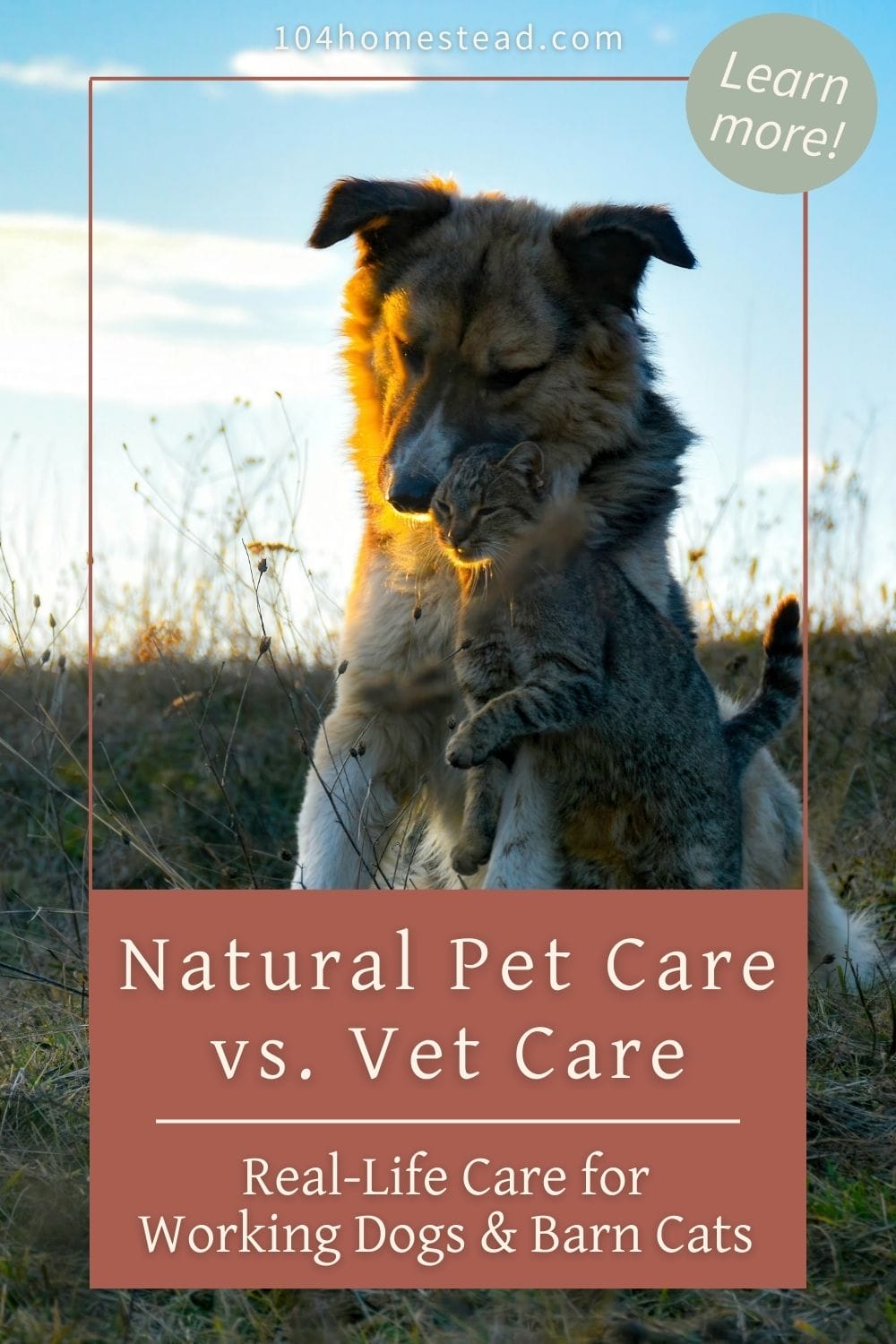
Homesteading builds confidence. It also keeps you humble. We can do a lot. We can prevent a lot. We can support our pets naturally through food, grooming, and environment. But there are moments when you need someone with more training than you. For me, it’s not about picking a side. It’s about doing right by the animal.
I’d love to hear how you approach this balance. Have you ever corrected a problem with simple changes at home? Or learned the hard way that waiting wasn’t worth it? Share your experience in the comments. Those real-life lessons help all of us care better for the animals who depend on us.