12 Realistic Tips for Sustainable Living on a Modern Homestead
Looking for realistic tips for sustainable living? These easy changes can help you build a more intentional, eco-friendly life, no matter where you live.
I used to think sustainable living meant doing everything the old-fashioned way. Zero waste, grow-all-your-own-food, never-set-foot-in-a-store kind of living. But honestly? That version of sustainable living burns people out fast, especially if you’re working, raising kids, or running a household.
I’ve found that sustainable living only sticks when it works in real life. It’s about doing what you can, when you can, without turning it into another full-time job.
This is what sustainable living looks like in real life.
Before You Buy Anything New
I’ve stopped trying to replace things with “better” versions and focused on buying less instead. A few easy places to start:
- Repurpose old jars and containers for pantry storage.
- Use worn-out clothes as rags instead of paper towels.
- Repair broken tools or furniture before replacing them.
For more ways to cut down on waste using what you already have, check out my post on the zero waste lifestyle for homesteaders.
Ditch Disposables (When It Makes Sense)
Switching to reusables doesn’t have to happen overnight. I usually just pick one thing that annoys me and start there. Some low-effort ways to do this:
- Use cloth napkins or unpaper towels instead of paper ones.
- Replace plastic wrap with beeswax wraps or reusable containers.
- Use refillable pens and mechanical pencils instead of single-use options.
One small swap is enough to get the ball rolling.
Grow Something… Anything
Even growing a little food changes how you think about waste and groceries. You don’t need acres of land to get started. If you want to keep this simple:
- Grow herbs like basil, parsley, or mint on a sunny windowsill.
- Start lettuce, radishes, or green onions in containers on your porch.
- Build one raised bed and focus on high-yield crops like cherry tomatoes or bush beans.
If you’re unsure where to begin, this guide on how to start a garden in your yard will walk you through it, no matter your space or soil.
Learn to Cook from Scratch
Cooking from scratch cuts down on packaging and usually saves money, but the real win is knowing what’s in your food. This is where I’d start:
- Make homemade salad dressings or seasoning blends.
- Bake bread, muffins, or snack bars instead of buying prepackaged ones.
- Cook large batches of soup, stew, or chili and freeze portions for later.
Pick one or two things you already eat and start there.
Preserve the Harvest (Even If It’s Small)
Preserving food is one of the easiest ways to stretch what you grow. You don’t need a massive garden to start. If you’re easing into this:
- Freeze chopped herbs in olive oil using an ice cube tray.
- Water-bath can a few jars of jam, pickles, or salsa.
- Dehydrate apple slices or cherry tomatoes for snacks.
It’s a good feeling opening the pantry and knowing you made that.
Reduce Food Waste
Food waste is one of the easiest places to see real change fast. It saves money and makes grocery shopping way less frustrating. Here are a few things that help:
- Plan meals around what you already have.
- Freeze leftovers or single portions for future lunches.
- Keep a freezer bag for veggie scraps to make homemade broth.
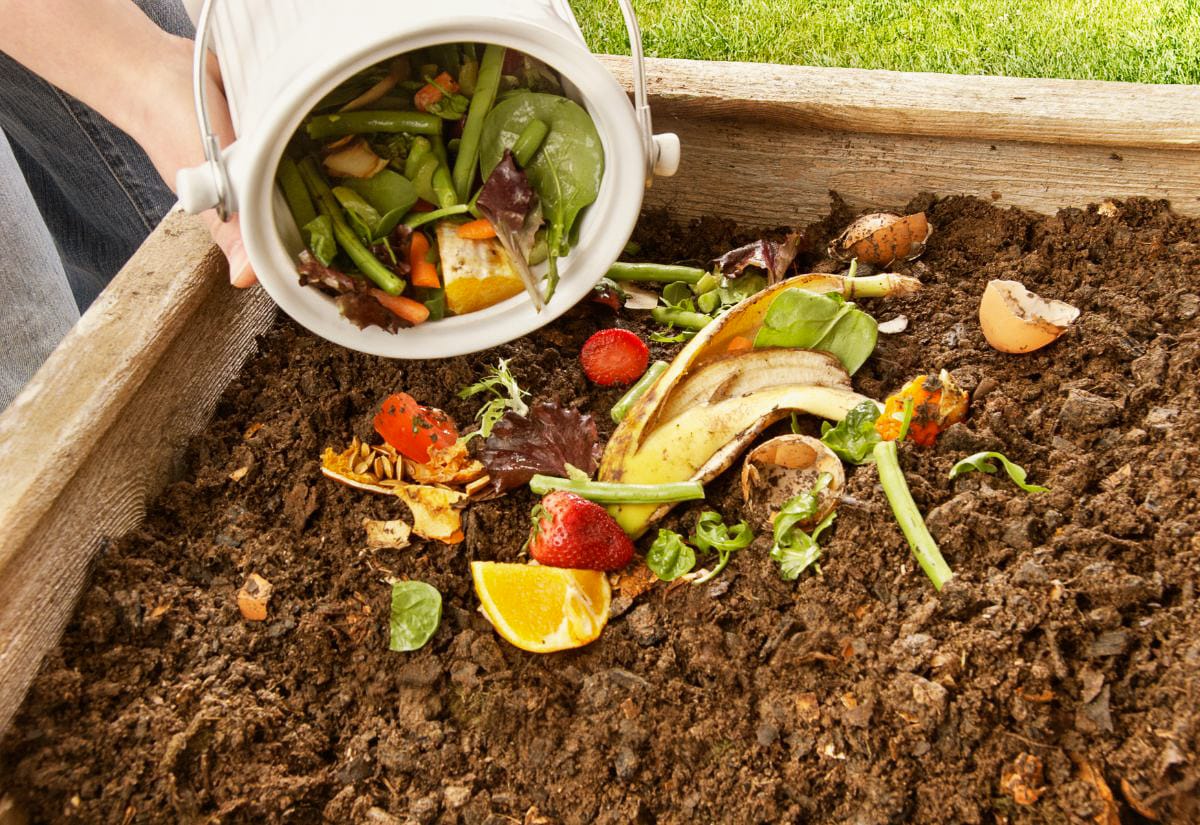
- Compost what you can or feed scraps to chickens or quail if you have them.
Not sure where to start? This composting for beginners guide will help you turn kitchen scraps into garden gold.
Repurpose What You Can
Before you throw something out, ask yourself if it could be useful in a new way. Most of what we throw away still has some life left in it. Here are some places to begin:
- Turn egg cartons into seed starters.
- Use glass jars for bulk shopping or spice storage.
- Make garden markers from popsicle sticks, wine corks, or broken clay pots.
- Use cardboard boxes as weed barriers in the garden.
Need ideas? Here’s one of my favorites: how to upcycle bed sheets into something useful around the homestead.
Shop Secondhand First
Thrift stores, yard sales, and online marketplaces are full of homestead treasures. We’ve found some of our best stuff this way. This doesn’t have to be complicated:
- Look for canning supplies, kitchen tools, or garden gear.
- Buy clothes, especially for kids, from thrift or consignment shops.
- Check Craigslist, Facebook Marketplace, or Buy Nothing groups before heading to the store.
It’s one of the easiest sustainable habits to keep.
Spend Once, Not Over and Over
Buying fewer, better-made things has saved me money in the long run. Focus on quality over quantity when your budget allows. A few easy ways to start:
- Choose stainless steel, cast iron, or glass over plastic.
- Invest in well-made boots, jackets, or tools that can be repaired.
- Pick brands that offer warranties, repair services, or spare parts.

Say No to Hustle Culture
Homesteading doesn’t have to mean doing everything yourself or doing it all at once. There’s no prize for doing it all. Some small changes that help:
- Prioritize rest and don’t apologize for it.
- Pick seasonal goals instead of year-long to-do lists.
- Say no to projects that don’t align with your values or bandwidth.
If you’re feeling stretched too thin, here are some gentle ideas on how to balance homesteading life without burning out.
Build Routines That Support Your Goals
Routines make sustainable habits easier to keep up with. They reduce mental load and keep your homestead running smoothly. A few things that work well in real life:
- Set a weekly menu plan based on your pantry.
- Do one sustainability task each week (like mending or bulk cooking).
- Establish morning or evening routines that support your flow.
The right routines take pressure off instead of adding to it.
Progress Over Perfection
Some weeks you’ll do more, some weeks less, and that’s normal. Some seasons you’ll make bread from scratch. Other times you’ll buy it at the store and that’s okay.
Sustainable living on a modern homestead isn’t just about what you grow or make. It’s also about how you think, how you pace yourself, and what you choose to keep simple.
Over time, I’ve learned that a homegrown, handmade mindset often matters more than doing everything “perfectly,” that a typical day of homestead living is usually quieter and messier than it looks online, and that there are seasons when homesteading feels genuinely hard. For many of us, that includes learning how to homestead well while managing chronic health challenges, and finding practical, zero-waste habits that fit real life instead of adding more pressure.
Still Wondering How Sustainable Living Works?
These are a few things people ask when they’re trying to live more sustainably.
Pin this so you have simple sustainable living tips handy when you’re ready to make a change.

You don’t need to live off-grid or do everything from scratch to live sustainably. With a few intentional changes and a mindset that values progress over perfection, you can create a homestead life that’s good for the earth (and good for your sanity).
If this post gave you a few new ideas, I’d love it if you’d share it with a friend or let me know in the comments which tip you’re going to try first!