
How to Raise Ducks for Beginners + Get It Right from the Start
Learn how to raise ducks for beginners with simple setup tips, real daily care, and mistakes to avoid so you can start with confidence.
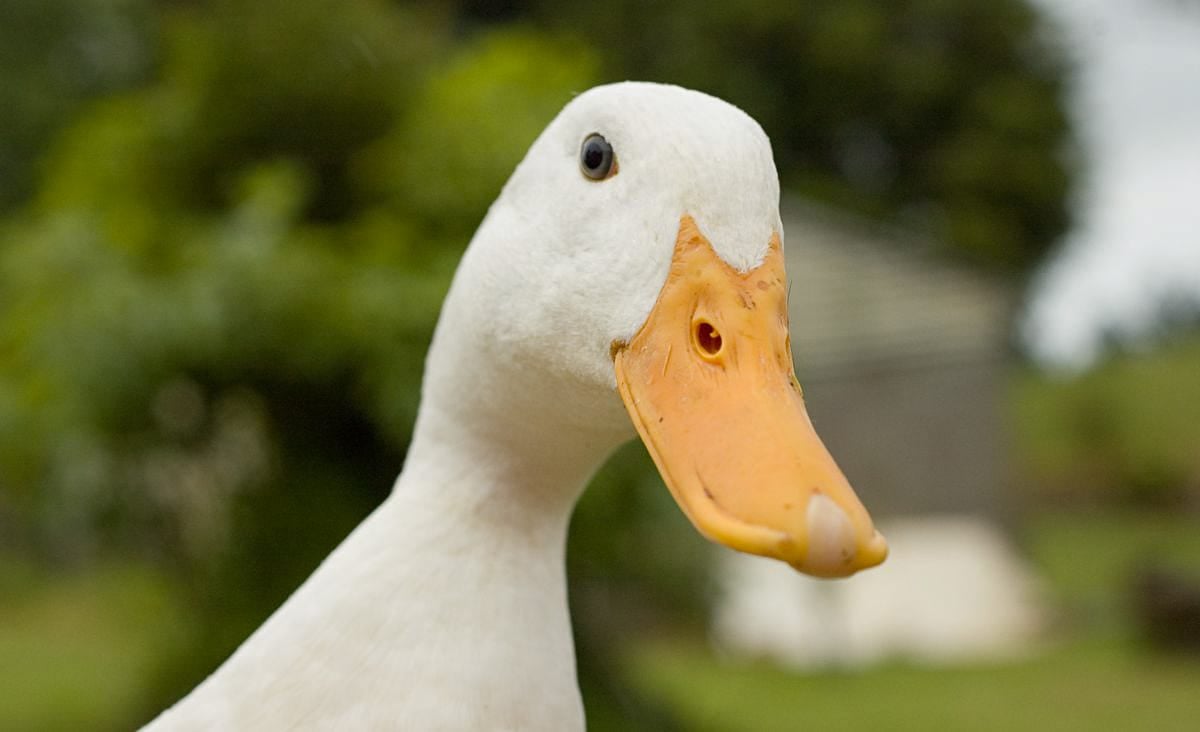
I’ll admit it, ducks are one of those homestead animals that look simpler from a distance. You see them waddling around, dabbling in water, laying pretty eggs, and it all seems straightforward enough. Then you bring a few home and realize they can turn a clean area into a muddy disaster in what feels like five minutes flat.
Here in Maine, that lesson hits extra hard. Between long winters, thawing ground, and mud season that seems determined to swallow boots whole, I’ve learned pretty quickly that ducks are not hard in the way some animals are hard. They’re hard because water changes everything. If your setup works with that instead of against it, ducks can be a great beginner animal. If it doesn’t, they’ll wear you out fast.
The good news is that you don’t need a huge farm with a pond to raise ducks. You just need to understand what they need, where beginners usually go wrong, and how to set things up in a way that makes daily care easier. That’s what I’m walking you through here.
If you’re still deciding whether ducks fit your homestead, start with 5 reasons backyard ducks make sense on a homestead. This is where I’m going to cover what ducks are really like to keep, what you need before you bring them home, how to avoid the beginner mistakes that make duck keeping frustrating, and where to go next once you’re ready to dig deeper.
What Raising Ducks is Like
A lot of beginner posts make ducks sound either ridiculously easy or like some kind of muddy chaos machine that ruins your whole yard. It’s not as easy as some people make it sound, but it’s not a disaster either.
Ducks are simple in some ways and frustrating in others. They don’t roost like chickens, they lay well (wherever their hearts desire), and they’re fun to watch. Even when they’re being messy. But I do think too many people downplay how much their love of water affects everything else, from where you put water to how often you’re cleaning.
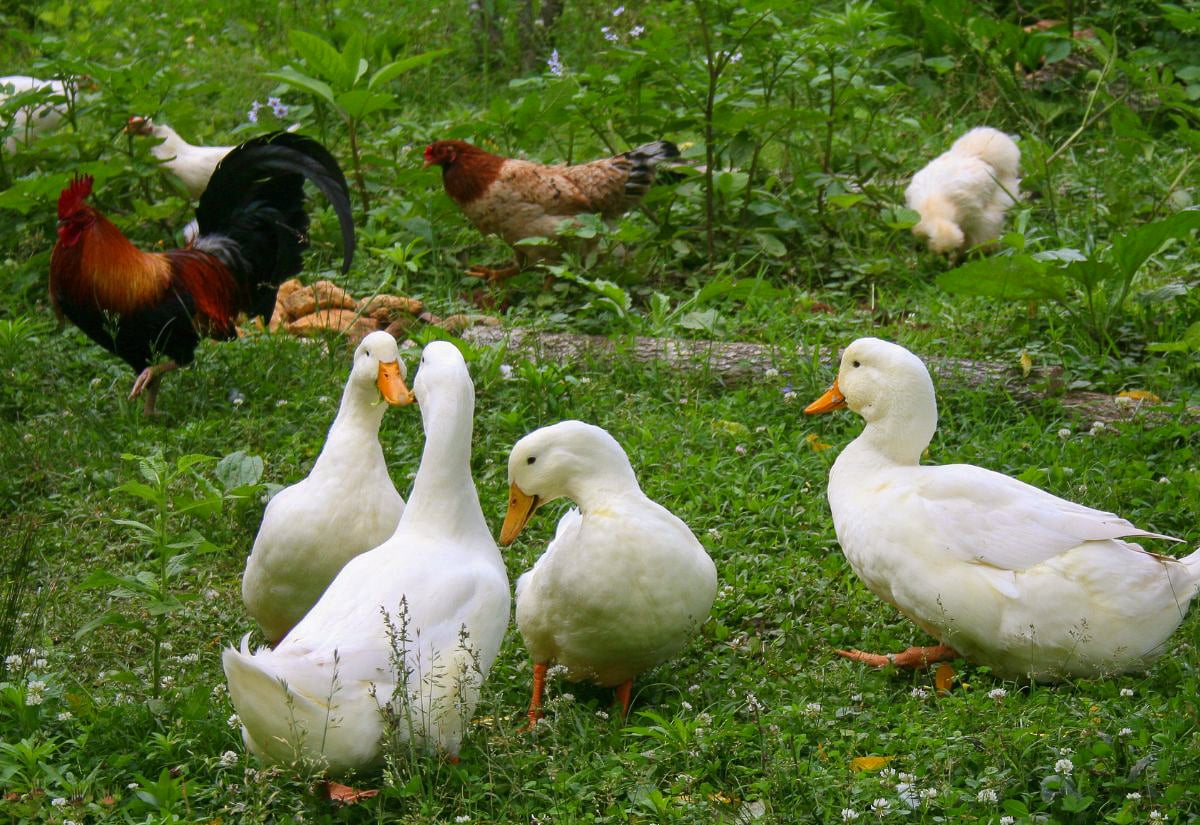
If you’ve had chickens, some of this will feel familiar, and some of it won’t.
Ducks are Beginner-Friendly, but Not Low-Mess
This is probably my strongest opinion on the whole subject. Ducks are beginner-friendly if you’re prepared for wet. Not damp. Wet.
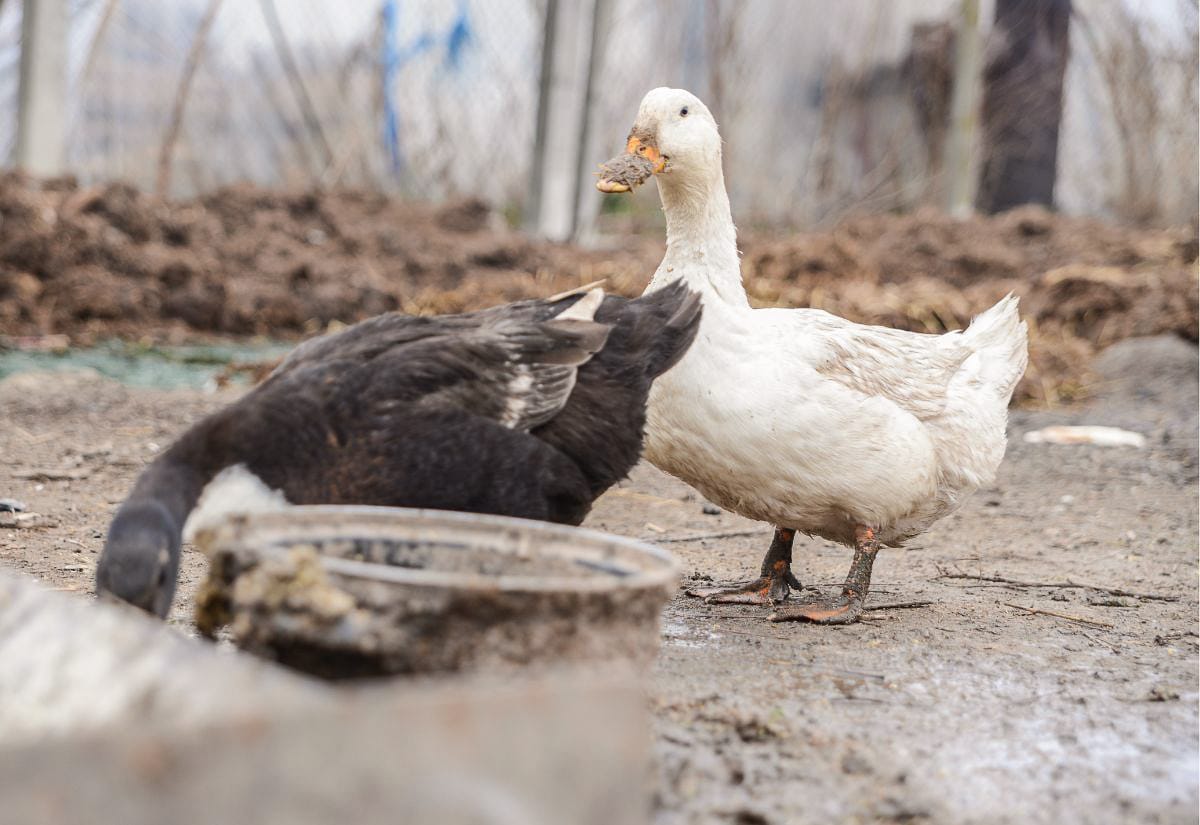
Their water gets filthy quickly. They splash in it, bill through it, wash feed into it, and then turn around and track that moisture straight into their bedding and run. Most setups go wrong because no one thinks about where the water is going to end up.
You need to think about drainage, how easy the waterer is to refill, and whether the area around it can handle being soaked over and over. For me, that usually means putting water on something that drains well like gravel or a slightly sloped area, not right on top of bedding or bare dirt that turns to mud.
The Daily Care
Once your ducks are set up well, the daily routine is not complicated. Most days are quick (just a few minutes). Check feed, refresh water. If they’ve been messy, it takes longer. You’ll be collecting eggs if they’re laying and making sure the shelter is still dry enough to be comfortable.
That’s why I’m a big believer in building around the messy parts first. If your water station is poorly placed, if the coop stays damp, or if the run turns into a swamp every time it rains, ducks stop feeling easy in a hurry.
What You Need Before Bringing Home Ducks
You can keep this simple. You need a safe place for them to sleep, room to move around, feed, water, and a setup that can handle mud.
Shelter
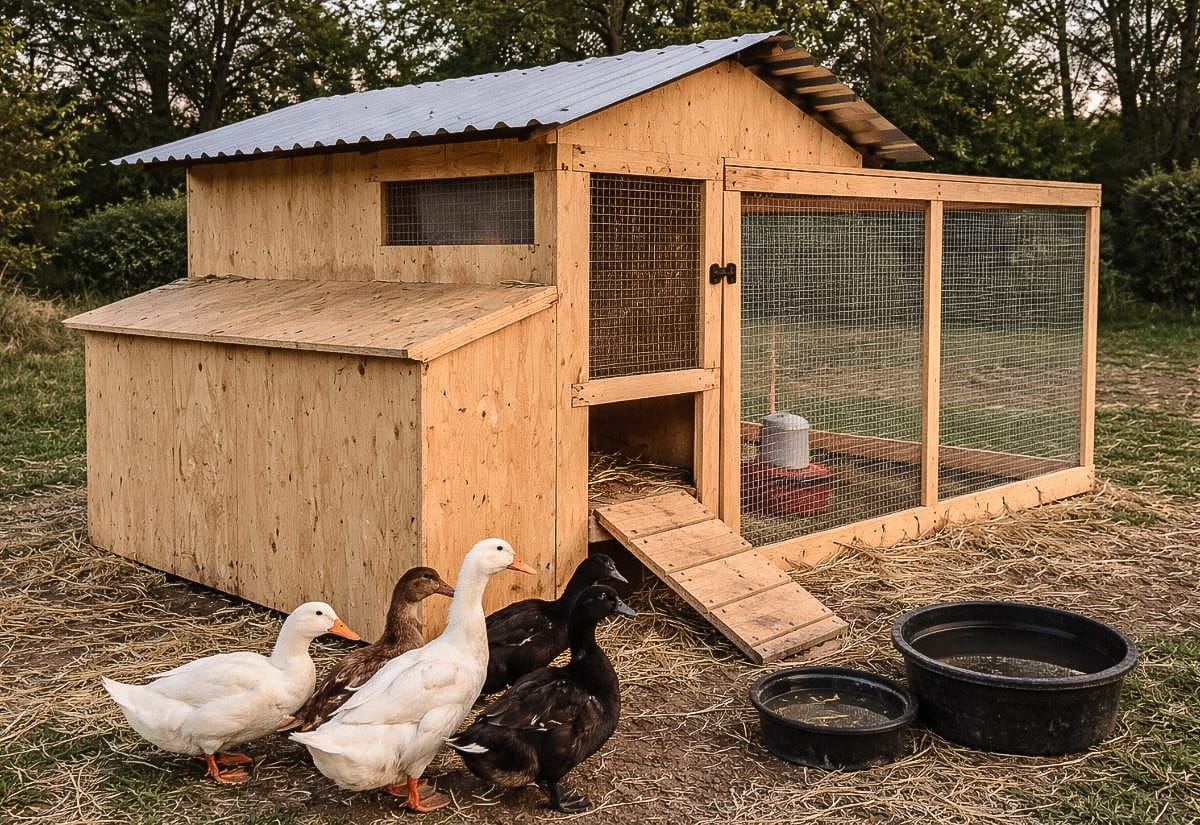
Ducks need secure nighttime housing. It should protect them from predators, block wind, and stay as dry as possible. That’s what matters most early on.
Unlike chickens, ducks are not looking for roost bars. They want a protected place on the ground with enough ventilation and enough bedding to stay comfortable. I usually use straw or shavings and add fresh bedding as needed to keep things from staying damp.
As for space, I aim for at least 4 square feet per duck in the coop for smaller breeds and 5–6 square feet for larger ones. Giving them a little extra room goes a long way toward keeping things drier and easier to manage.
If you need a deeper dive on security, it helps to think through predator-proofing your poultry setup early instead of after you lose a bird. Ducks can be especially vulnerable because they’re heavy-bodied, lower to the ground, and not nearly as agile as chickens when something gets into their space.
Water
Ducks don’t need a pond to live a healthy life. I wish more beginner advice said that plainly. A pond can be nice if you have the space and the right conditions for it, but it’s not the starting point.
What they do need is water deep enough to dunk their heads and keep their eyes and nostrils clean. That usually means a few inches of depth at minimum. If they can’t dunk their whole head, they can’t clean themselves properly, and that can lead to issues pretty quickly. They also need that water refreshed often enough that it doesn’t turn into sludge. Most of the time, you’re refreshing water daily, sometimes twice if it gets messy.
In winter, this gets even trickier. Ducks still need access to usable water, even when everything wants to freeze solid. If you’re raising ducks in a cold climate, it’s worth reading how to keep water from freezing in winter before you hit your first real cold snap.
Feed
Beginner duck feeding doesn’t need to be overcomplicated. Start with a good quality feed appropriate for their age and purpose, and then keep their nutrition steady. I usually go with a waterfowl or all-flock feed.
People get themselves into trouble by treating ducks like they can live mostly on scraps, grass, or whatever they find while dabbling around. Ducks can forage, yes. They can also enjoy treats. But forage and treats should support the diet, not replace it.
Choosing Ducks + Setting Up Housing
So you know you want ducks, but you don’t know which ducks or what kind of housing you need.
Start with a Breed That Fits Your Goal
Some ducks are better layers. Some are better for meat. Some are lighter, more active, or noisier. Some are a better match for beginners simply because they’re easier to take care of and easier to find.
I wouldn’t start by reading about every duck breed under the sun. That gets overwhelming fast. I’d start by deciding what you want from them. Do you want eggs? A few friendly backyard birds? Dual-purpose ducks that give you a bit of both? Once you know that, breed choices get a lot simpler.
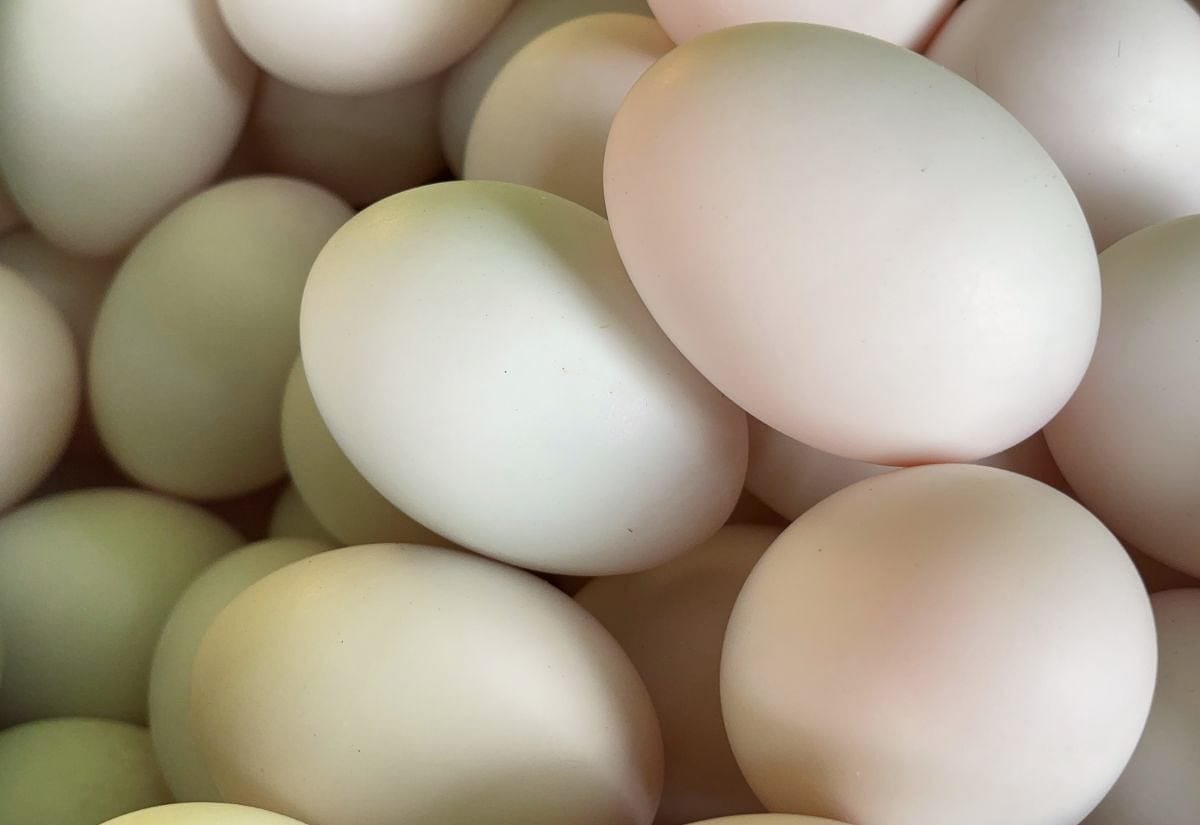
That’s why I’d point you to beginner-friendly duck breeds for a homestead instead of trying to cram a full breed guide into this post.
Your Run Matters
This is one of those places where trial and error teaches you more than pretty photos do. The coop is where beginners tend to focus first, but the run is where a lot of the mess, maintenance, and frustration happen.
A duck run needs enough room for movement. I’ve found around 10 square feet per duck works for smaller breeds, while larger ducks do better with 15–20 square feet each, especially if you’re dealing with mud. It helps to keep water and feed separated, so they’re not constantly turning their feeding area into a wet mess. I’d rather have a plain coop and a smart run than a lovely coop attached to a run that turns into a wet mess every week.
If you want help thinking through the layout side of this, how to set up a duck coop that stays more manageable goes much deeper into the housing piece.
Ducks Can Live with Chickens, Sort Of
A lot of beginners ask this right away, and for good reason. Sometimes the answer is yes. Sometimes it is yes, but not like you imagined. Sometimes it’s a hard no because the setup or flock dynamic just doesn’t support it well.
Ducks and chickens have overlapping needs, but their water habits and housing preferences are not the same. One group likes things drier. The other group treats water like a full-contact sport. Even when they can live together, the shared setup has to account for those differences.
If that’s part of your plan, read real-life tips for keeping chickens and ducks together before you commit to it.
Ducklings vs Adult Ducks
Either one can work, it just depends on your setup, your confidence level, and how much time you want to spend in the brooding stage.
Starting with Ducklings
Ducklings are cute. They’re also messy from day one. They need warmth, clean water, the right feed, safe footing, and enough space that they aren’t constantly trampling each other as they grow.
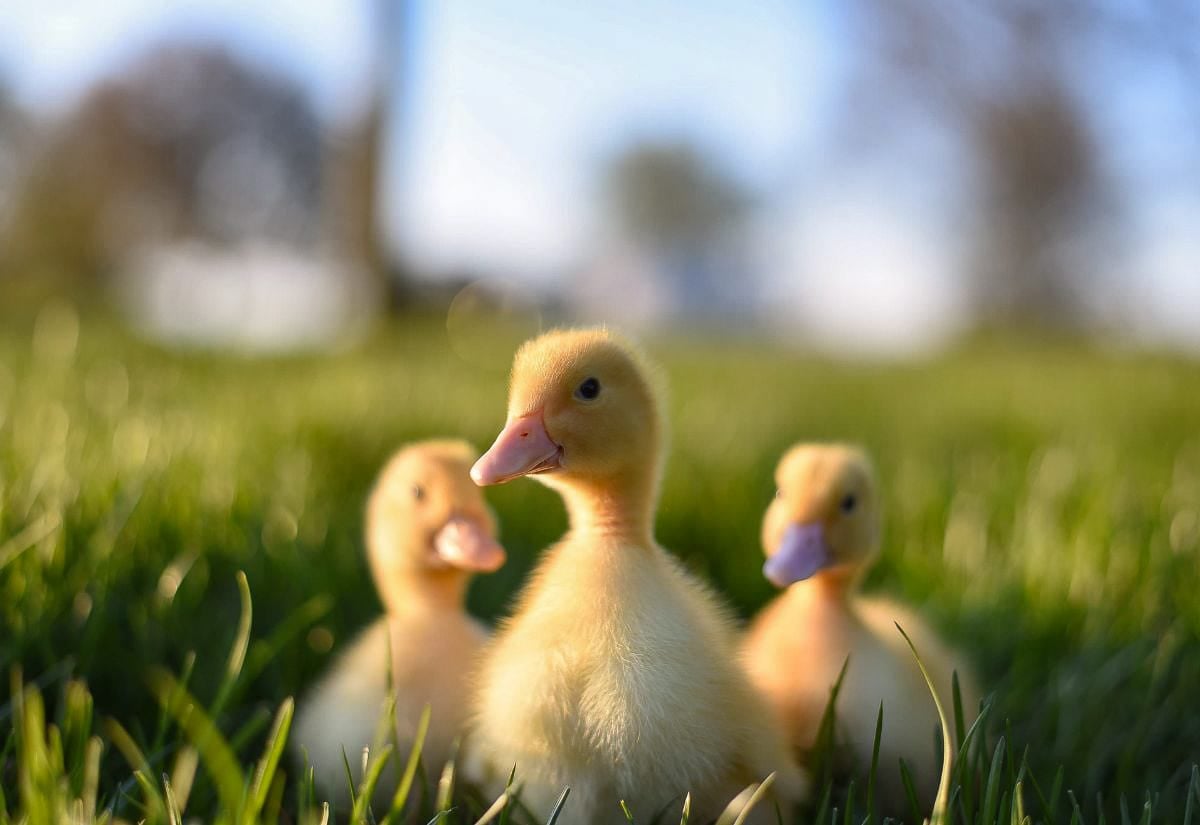
They also outgrow that tiny baby stage faster than people expect. You’ll be adjusting their space, water setup, and bedding more often than you might plan for in the beginning.
Brooder Spacing for Ducklings
- 0–1 week: about ½ square foot per duckling
- 1–3 weeks: about 1 square foot per duckling
- 3+ weeks: 1.5–2 square feet per duckling
Ducklings grow fast, so that first setup doesn’t last long. You’ll usually need to expand or upgrade the brooder sooner than you expect. I think a lot of beginners underestimate how much more often they’ll be cleaning and refreshing things with ducklings than with chicks. Water is the reason. It keeps coming back to water.
Even though ducks are not chicks, some of the setup principles still carry over, so it can help to look at the basics of setting up a brooder space while planning.
Starting with Older Ducks
Older started ducks can be a great choice if you want to skip the brooder stage and get straight into outdoor care. They handle weather better and aren’t as fragile.
The downside is that they may be harder to find, more expensive up front, and less available in the exact breed you want. But if the brooding stage feels like the part most likely to stress you out, older ducks can make the whole experience feel more doable.
It doesn’t have to be the hard way right out of the gate. If older ducks are what gets you going confidently, that’s a perfectly good place to begin.
Hatching Your Own
A lot of people get excited about incubating duck eggs before they’ve even kept ducks through a full season. I get it. Hatching is tempting.
But I wouldn’t make that your first step. Learn the birds first. Learn their routine. Learn their housing. Learn what normal behavior looks like. Then, once you’re comfortable, move into incubation.
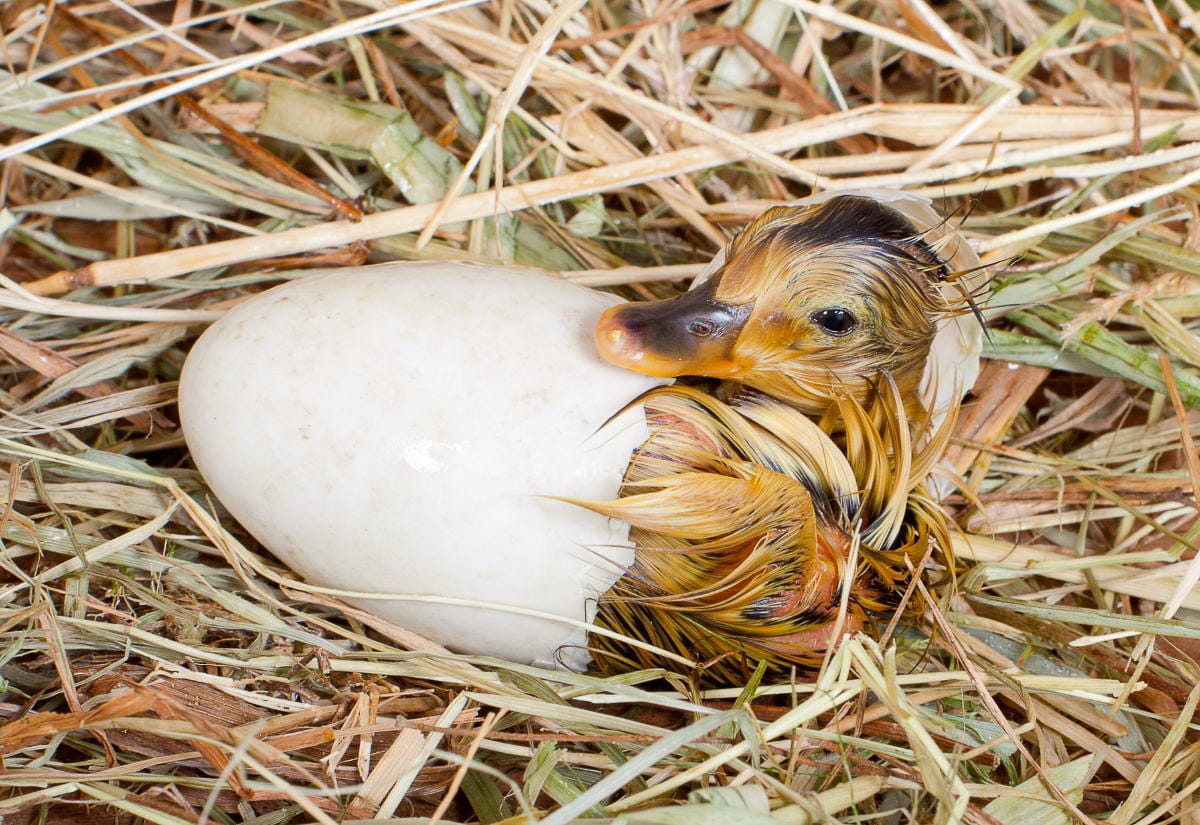
When you get to that point, how to achieve better hatch rates with duck eggs will help with the full process, and how to candle hatching eggs is a good companion for learning what’s going on inside the shell as the hatch develops.
Beginner Mistakes to Avoid
This is the part I wish more beginner guides would spell out plainly. Ducks aren’t complicated, but a few mistakes can make them feel like a lot of work.
The first mistake is underestimating the water problem. I know I keep saying it, but that’s because it really is the hinge point. If you set the water where mud will build, where bedding will stay wet, or where you can’t clean and refill it easily, the whole setup becomes annoying.
The second mistake is choosing ducks before deciding on what they want them for. If you want dependable egg layers, that matters. If you want meat birds, that matters too. It’s a lot easier once you know what you want from them.
The third mistake is treating seasonal care like an afterthought. Ducks need care adjustments through the year, especially in cold and wet climates. Winter water, muddy spring conditions, shade in summer, and the annual molt all affect how easy they are to manage. When your ducks hit that rough, ragged-looking stage, what to expect during duck molting will help you understand what’s normal and what’s just plain ugly for a while.
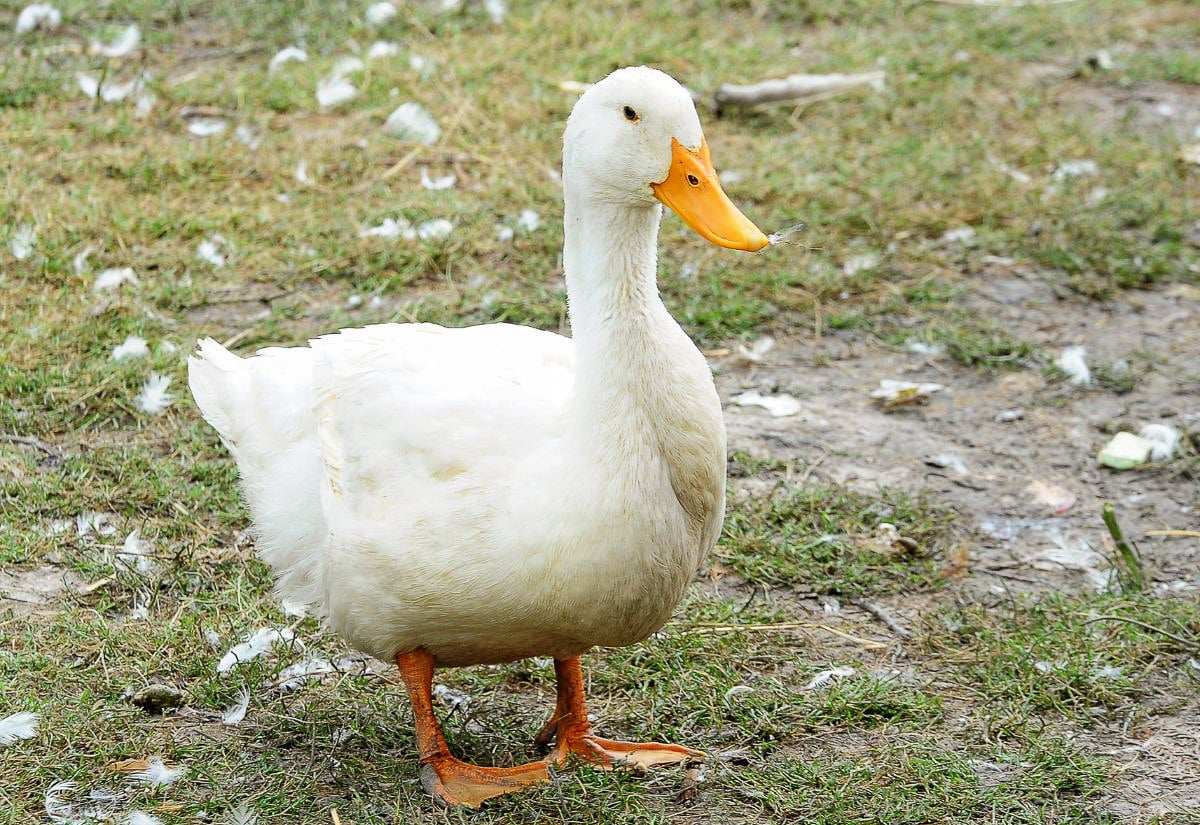
The last mistake is trying to learn everything at once. You don’t need to master breeding, incubation, coop design, egg handling, and mixed-species housing all in the same week. Start with healthy birds, secure housing, clean water, decent feed, and a setup that makes your daily chores reasonable. That’s the core of it.
What Most People Want to Know Before Getting Ducks
If you’re still sorting through the beginner stage in your head, these are some of the questions that tend to come up next.
Pin this so you know exactly what you need before bringing ducks home.
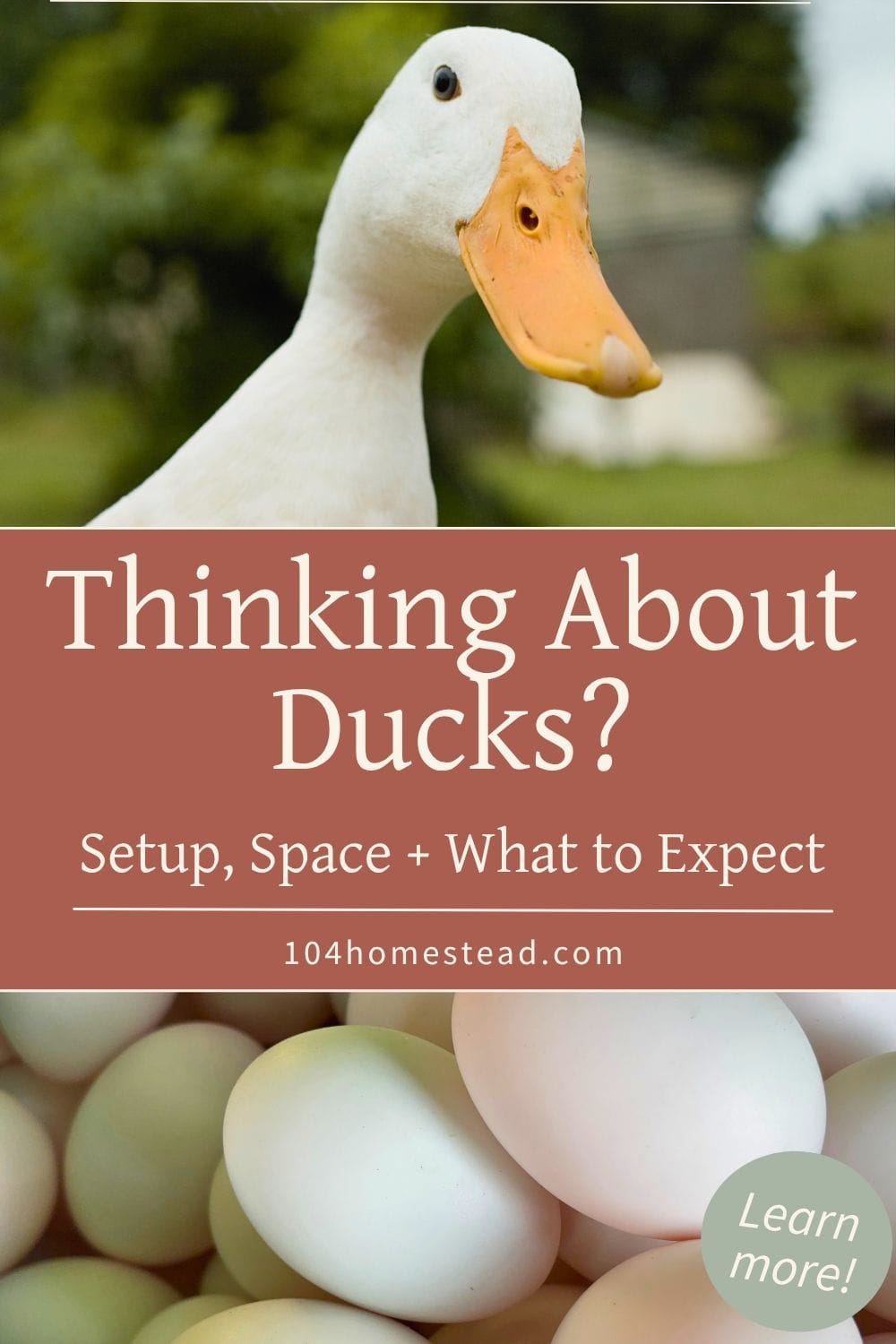
Ducks can be a really good fit on a homestead, but only if you understand what you’re signing up for before you bring them home. They lay well, they’re fun to have around, and they’re easy once you get things set up right. But they do best when their housing is build with their nature in mind.
If you’ve been thinking about raising ducks, start small, keep it practical, and let your setup get smarter as you go. And if you already keep ducks, I’d love to hear what surprised you most when you first got started.